Suspicious Moles: Signs You Should See a Dermatologist
Most moles are harmless, but certain changes in size, shape, color, or symptoms may indicate the need for professional evaluation. Dermatologists use specialized skin examinations to identify suspicious moles and determine whether further testing is necessary. Early detection is one of the most important factors in maintaining long-term skin health.

Suspicious Moles: Signs You Should See a Dermatologist
Moles are common skin growths that appear in people of all ages. While most moles are completely benign, some can develop unusual features that require professional evaluation. Recognizing the warning signs of a suspicious mole can help ensure early diagnosis and appropriate treatment if needed.
At Korean dermatology clinics, mole examinations are a routine part of skin health assessments. Modern diagnostic tools allow dermatologists to evaluate moles accurately while providing patients with peace of mind.
What Is a Suspicious Mole?
A suspicious mole is a mole that shows unusual characteristics compared to typical benign moles.
Most healthy moles are:
- Symmetrical
- Uniform in color
- Stable over time
- Well-defined around the edges
- Small in size
A mole that changes or develops irregular features may require closer examination.
The ABCDE Rule for Evaluating Moles
Dermatologists often use the ABCDE rule to identify moles that may need further evaluation.
A – Asymmetry
Normal moles are usually symmetrical.
A mole may be considered suspicious if one half looks significantly different from the other half.
B – Border Irregularity
Healthy moles generally have smooth, clearly defined borders.
Warning signs include:
- Jagged edges
- Uneven borders
- Blurred outlines
- Notched margins
C – Color Variation
Most benign moles have a consistent color throughout.
A mole may warrant evaluation if it contains:
- Multiple shades of brown
- Black areas
- Red patches
- White areas
- Blue or gray discoloration
D – Diameter
Larger moles are not automatically dangerous, but increasing size should be monitored carefully.
Particular attention should be given to moles that continue growing.
E – Evolving
One of the most important warning signs is change.
Any mole that changes in:
- Size
- Shape
- Color
- Thickness
- Texture
- Symptoms
should be evaluated by a dermatologist.
Additional Warning Signs to Watch For
Rapid Growth
A mole that suddenly becomes larger over a short period deserves medical attention.
Bleeding
Moles that bleed without injury should not be ignored.
Persistent Itching
Occasional irritation can occur, but ongoing itching may indicate changes within the lesion.
Crusting or Scabbing
Repeated scabbing, crusting, or ulceration can be a warning sign.
Pain or Tenderness
Most benign moles are painless. New discomfort should be evaluated.
New Pigmented Lesions
Adults who develop new or unusual moles should consider professional assessment.
The "Ugly Duckling" Sign
Another useful concept is the "Ugly Duckling" sign.
Most moles on an individual's body tend to look similar.
A mole that appears noticeably different from all the others may deserve closer attention.
Examples include:
- A much darker mole
- A larger mole
- An unusually shaped mole
- A rapidly changing lesion
Who Is at Higher Risk?
Certain individuals may benefit from more regular skin examinations.
Risk factors include:
Family History of Skin Cancer
A family history may increase the importance of routine monitoring.
Numerous Moles
People with many moles may have a greater likelihood of developing atypical lesions.
Fair Skin
Lighter skin types are often more vulnerable to sun-related skin damage.
Significant Sun Exposure
Frequent sun exposure or a history of severe sunburns can increase risk.
Large Congenital Moles
Some moles present since birth may require ongoing monitoring.
What Happens During a Dermatology Examination?
Medical History Review
The dermatologist reviews your skin history and any recent changes.
Visual Skin Assessment
The mole is carefully examined for suspicious features.
Dermoscopy
A specialized magnification device may be used to evaluate pigment patterns and structures beneath the skin surface.
Photography and Monitoring
Some clinics use digital imaging to track changes over time.
Biopsy If Necessary
If the mole appears suspicious, a biopsy may be recommended to obtain a definitive diagnosis.
When Should You Schedule an Appointment?
You should consider seeing a dermatologist if you notice:
- A changing mole
- Irregular borders
- Multiple colors within one mole
- Bleeding or crusting
- Persistent itching
- Rapid growth
- A new unusual lesion
- Any mole that concerns you
Early evaluation is always preferable to waiting for symptoms to worsen.
Can Benign Moles Be Removed?
Yes.
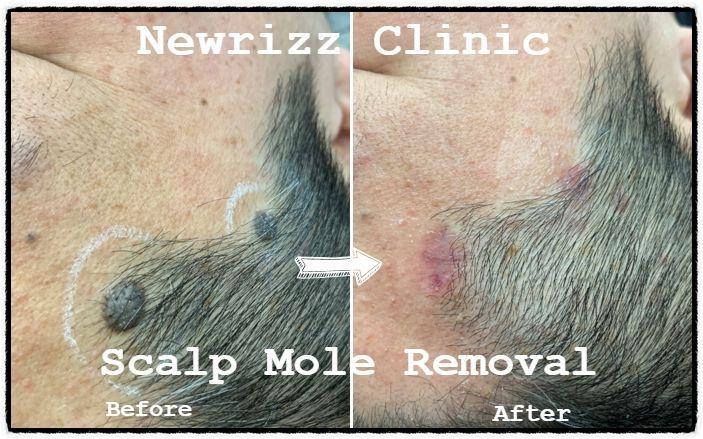
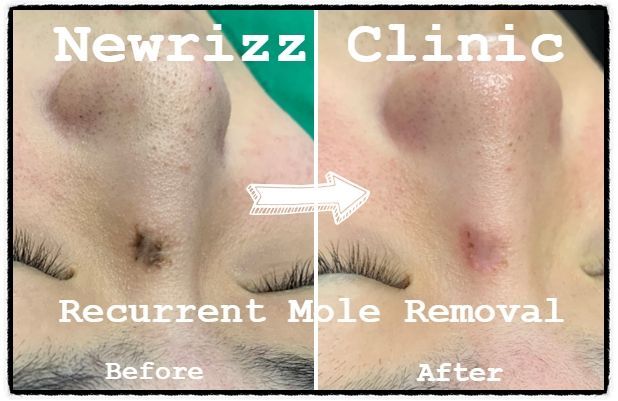
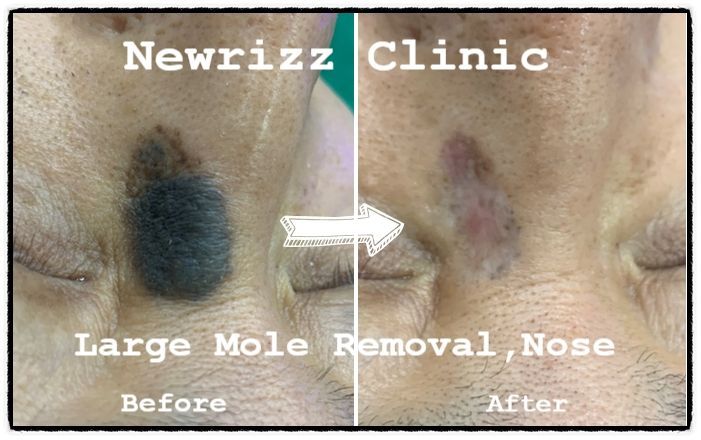
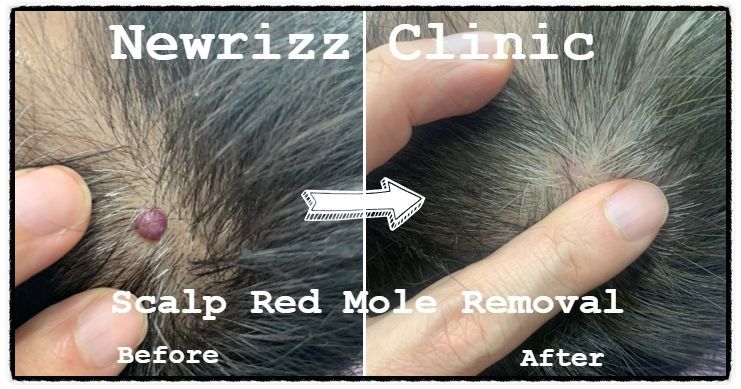
Many patients choose to remove benign moles for cosmetic reasons, especially on visible areas such as the face, neck, or hands.
A dermatologist can determine whether a mole is suitable for cosmetic removal and recommend the most appropriate treatment method.
How Korean Dermatology Clinics Evaluate Suspicious Moles
Korean dermatology clinics utilize advanced diagnostic technologies and detailed skin assessments to evaluate pigmented lesions.
These may include:
- Dermoscopy
- Digital skin imaging
- Mole mapping
- Biopsy when indicated
- Long-term monitoring programs
This comprehensive approach helps distinguish harmless moles from lesions requiring additional evaluation.
Final Thoughts
Most moles are harmless, but changes in appearance should never be ignored. The ABCDE rule, the Ugly Duckling sign, and symptoms such as bleeding, itching, or rapid growth can help identify moles that may require professional assessment.
If you notice a suspicious mole, consulting an experienced dermatologist can provide reassurance, early diagnosis, and appropriate treatment when necessary. Regular skin examinations remain one of the best ways to maintain healthy skin and detect concerning changes as early as possible.