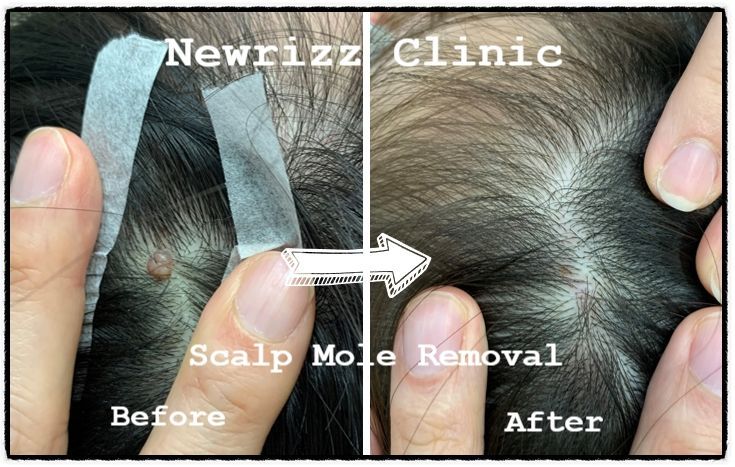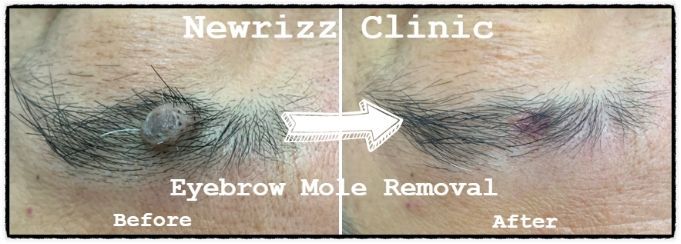
What Happens During a Mole Consultation?
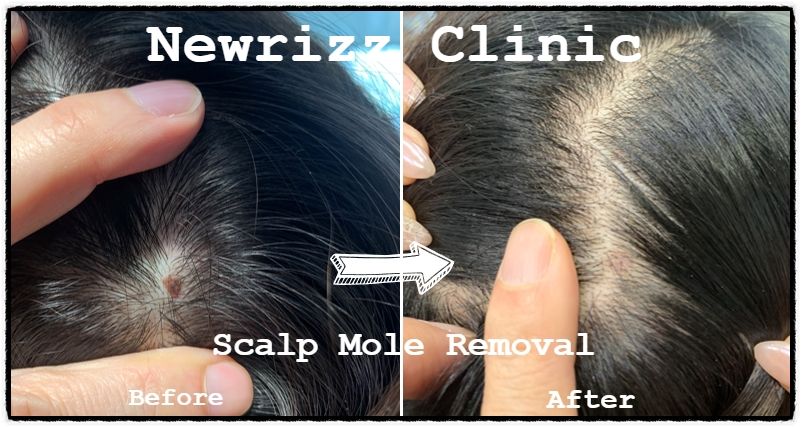
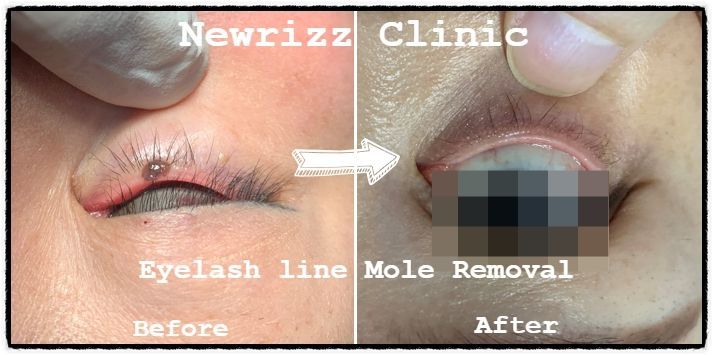
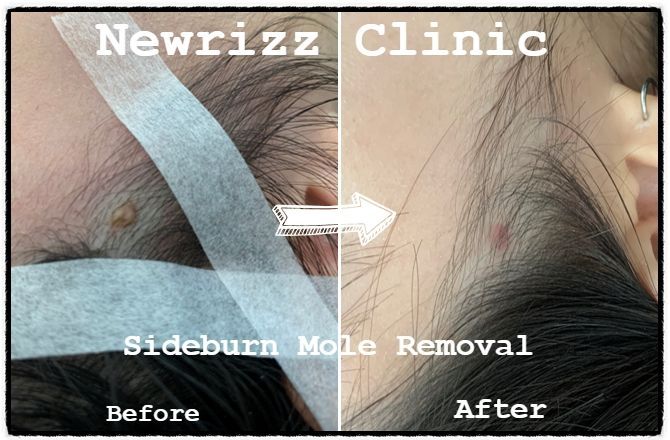
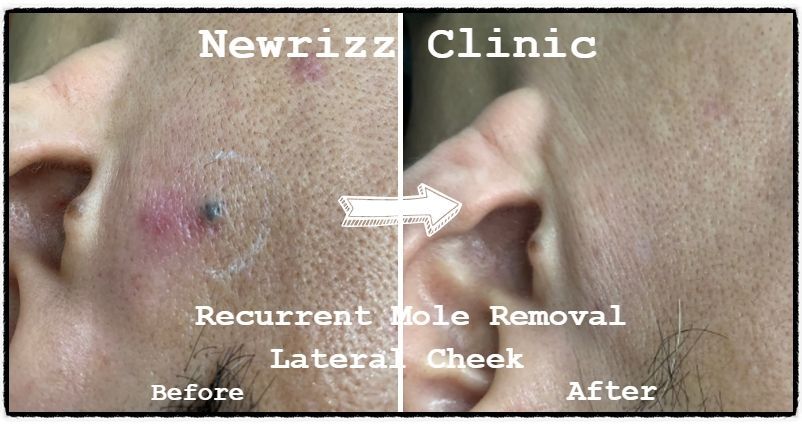
A mole consultation involves a dermatologist examining your mole to determine whether it is benign, cosmetically removable, or requires further medical evaluation. The doctor assesses the mole's size, shape, color, depth, and location before recommending the most appropriate treatment. In many Korean dermatology clinics, consultation and mole removal can often be completed on the same day.

What Happens During a Mole Consultation?
Before undergoing mole removal, patients typically meet with a dermatologist for a professional evaluation. A mole consultation helps determine whether the lesion is harmless, whether treatment is recommended, and which removal method will provide the safest and most effective results.
Whether you are seeking mole removal for cosmetic reasons or medical concerns, the consultation is an important first step in creating a personalized treatment plan.
Why Is a Mole Consultation Important?
Not all moles are the same. Some are small and superficial, while others may extend deeper into the skin or require further examination.
A consultation allows the dermatologist to:
- Evaluate the mole's characteristics
- Identify any concerning features
- Recommend the most suitable treatment
- Discuss expected results
- Explain recovery and aftercare
This assessment helps ensure both safety and optimal cosmetic outcomes.
Medical History Review
The consultation often begins with a discussion about your concerns and medical history.
Your dermatologist may ask:
- How long you have had the mole
- Whether it has changed recently
- If it causes discomfort or irritation
- Whether it has bled, itched, or become painful
- If you have a personal or family history of skin cancer
These details help guide the evaluation process.
Visual Examination of the Mole
The dermatologist carefully examines the mole and surrounding skin.
Important factors include:
Size
The diameter of the mole is measured and documented.
Shape
The doctor assesses whether the borders are regular and symmetrical.
Color
Uniform pigmentation is generally reassuring, while color variations may require closer examination.
Elevation
The mole may be flat, slightly raised, or significantly elevated above the skin surface.
Location
The treatment approach may differ depending on whether the mole is located on the face, neck, scalp, trunk, or other areas.
Checking for Suspicious Features
During the consultation, the dermatologist evaluates whether the mole shows warning signs that require additional investigation.
Common features that may prompt further evaluation include:
- Rapid growth
- Irregular borders
- Multiple colors
- Asymmetry
- Persistent itching
- Bleeding
- Ulceration
If necessary, a biopsy or surgical excision may be recommended.
Determining the Best Treatment Method
Once the mole has been evaluated, the dermatologist recommends the most appropriate removal technique.
Laser Mole Removal
Often recommended for:
- Small moles
- Superficial moles
- Cosmetic mole removal
- Facial moles
Surgical Excision
Often recommended for:
- Deep moles
- Large moles
- Raised moles
- Suspicious lesions
- Moles requiring pathology analysis
The goal is to achieve complete removal while minimizing scarring and recurrence.
Discussing Expected Results
Your dermatologist will explain:
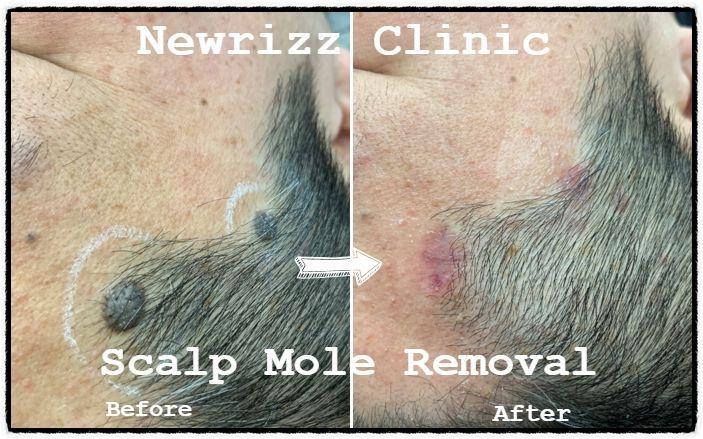
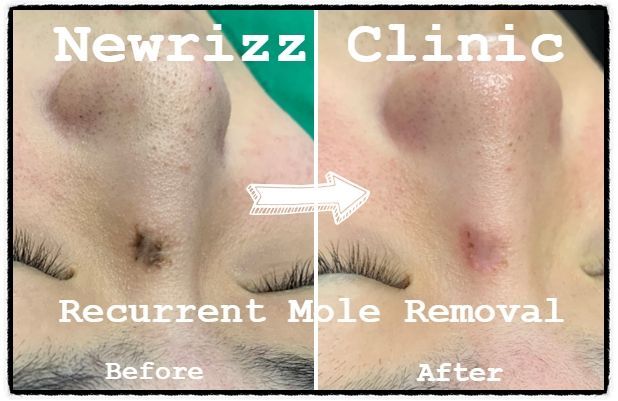
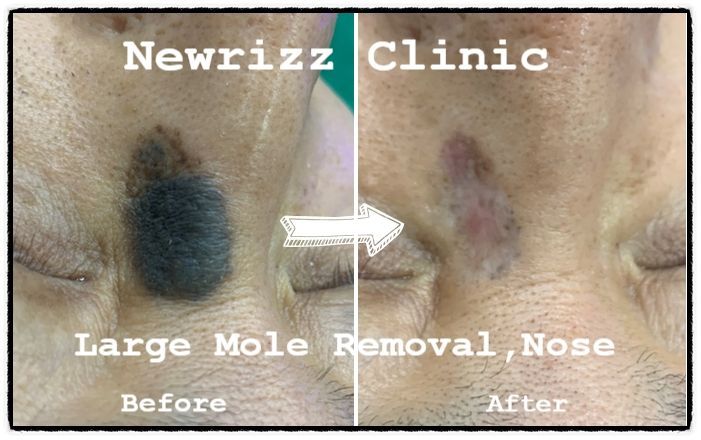
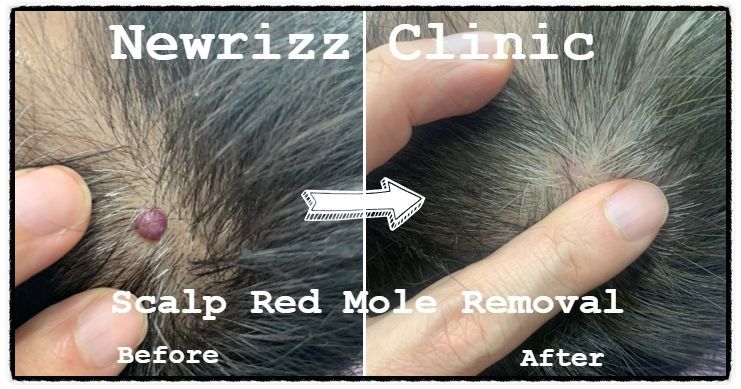
- What the treated area may look like immediately afterward
- Expected healing time
- Possibility of temporary redness or scabbing
- Scar prevention strategies
- Risk of mole recurrence
This discussion helps patients develop realistic expectations regarding both recovery and cosmetic outcomes.
Can Mole Removal Be Done on the Same Day?
In many Korean dermatology clinics, yes.
If the mole is suitable for immediate treatment, patients can often proceed with removal during the same appointment. This is particularly convenient for international visitors and patients with busy schedules.
The entire process may include:
- Consultation
- Skin examination
- Treatment recommendation
- Mole removal
- Aftercare instructions
Often completed within a single visit.
Questions to Ask During Your Consultation
Patients may wish to ask:
- Is my mole benign?
- Which treatment method do you recommend?
- Will a biopsy be necessary?
- How long is the recovery period?
- What can I do to reduce scarring?
- Can multiple moles be removed during the same visit?
Open communication helps ensure the treatment plan matches your goals and expectations.
After the Consultation
Once the evaluation is complete, patients receive a customized treatment plan based on the characteristics of their mole and individual concerns.
Many patients proceed directly to treatment, while others may schedule a future appointment depending on the complexity of the case.
Final Thoughts
A mole consultation is an essential step before treatment, allowing a dermatologist to evaluate the lesion, rule out medical concerns, and recommend the most effective removal method. Whether you are considering mole removal for cosmetic improvement or medical reasons, a professional consultation helps ensure safe treatment and the best possible results.