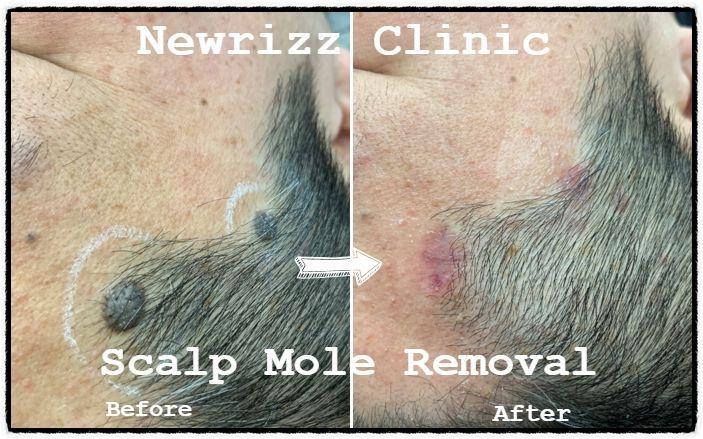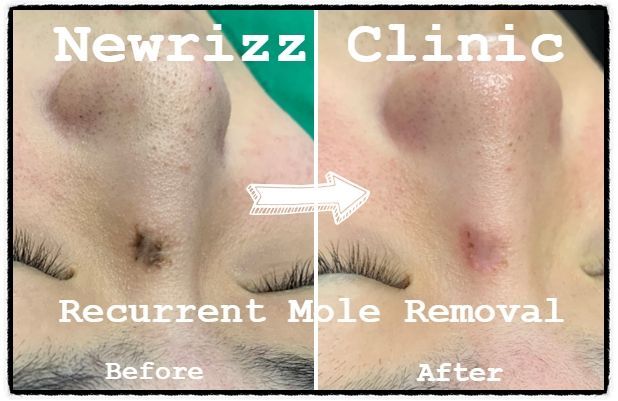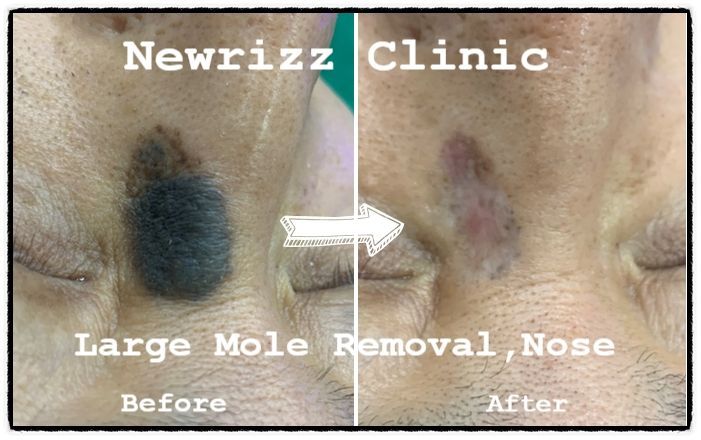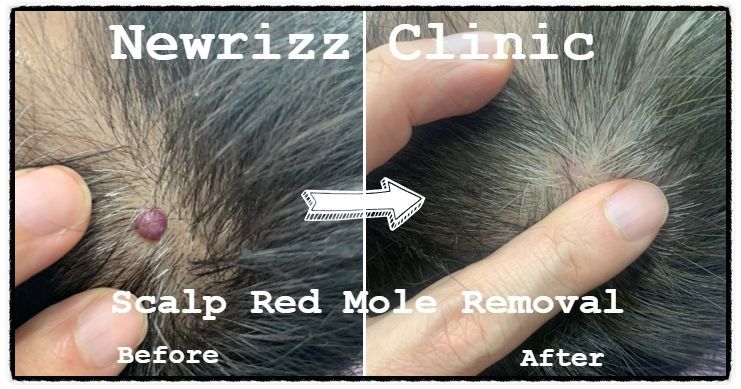
Mole Removal for Cosmetic Reasons vs Medical Reasons
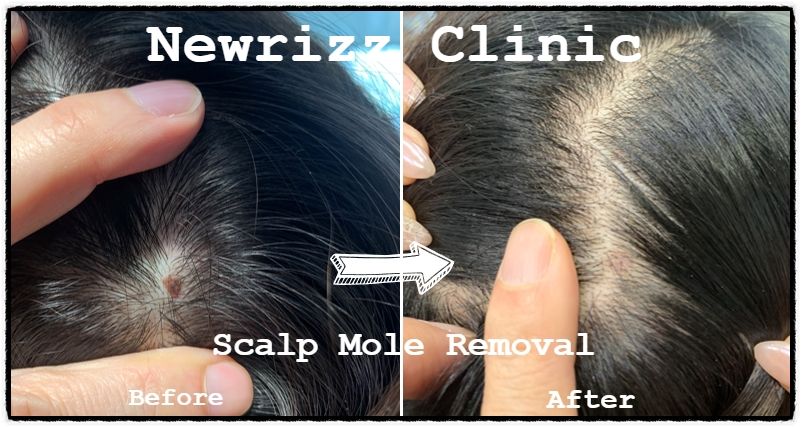
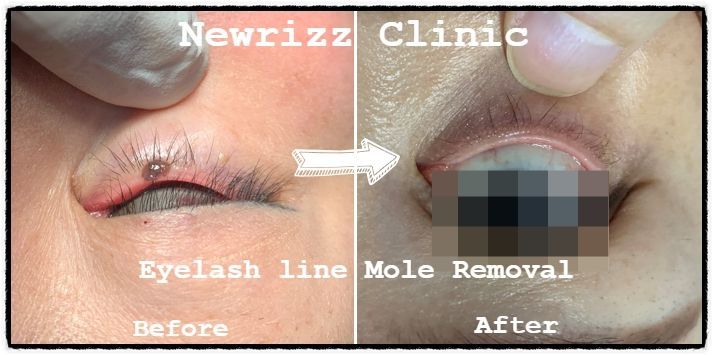
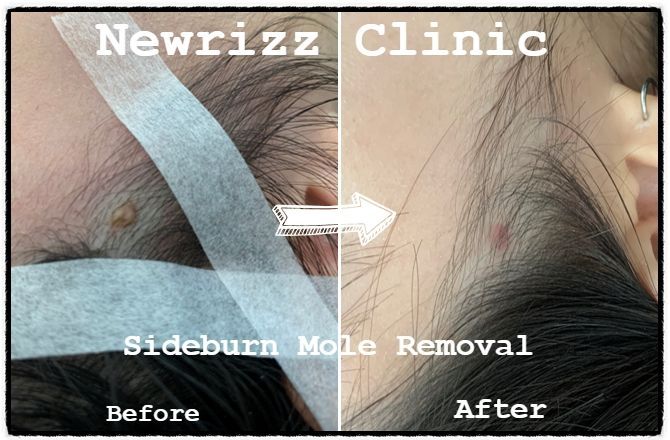
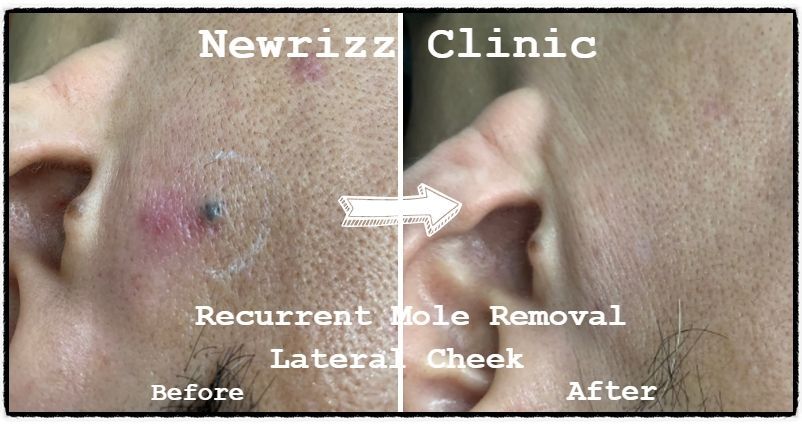
Moles can be removed for either cosmetic or medical reasons depending on the patient's goals and the characteristics of the lesion. Cosmetic mole removal focuses on improving appearance, while medical mole removal addresses symptoms, suspicious changes, or potential skin cancer concerns. A dermatologist can evaluate the mole and recommend the most appropriate treatment approach.

Mole Removal for Cosmetic Reasons vs Medical Reasons
Mole removal is one of the most common dermatology procedures, but not all moles are removed for the same reason. Some patients choose treatment to improve their appearance, while others require removal because of medical concerns.
Understanding the difference between cosmetic and medical mole removal can help patients make informed decisions about their skin health and treatment options.
What Is Cosmetic Mole Removal?
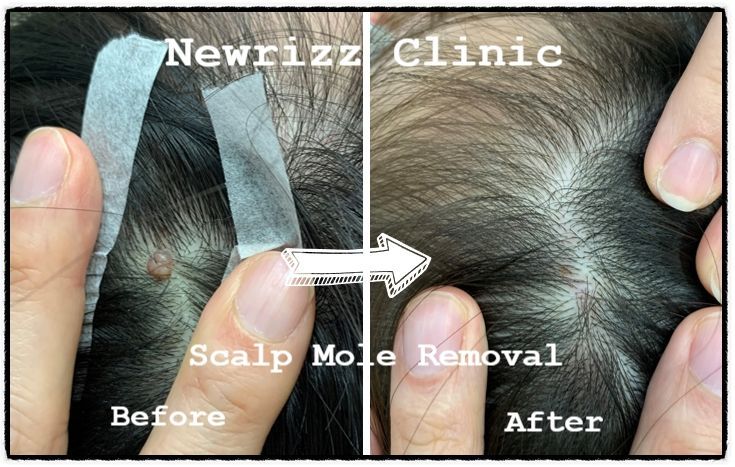
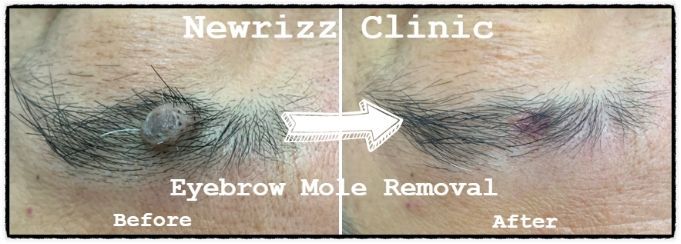
Cosmetic mole removal is performed primarily to improve appearance rather than address a medical condition.
Patients often choose cosmetic removal when a mole:
- Is located on the face
- Affects self-confidence
- Interferes with makeup application
- Creates an uneven skin texture
- Becomes a cosmetic concern in photographs
Many people seek treatment for prominent facial moles on the nose, cheeks, chin, forehead, or around the lips.
Common Cosmetic Reasons for Mole Removal
Facial Aesthetics
Even harmless moles can become a source of cosmetic concern, particularly when they are large, raised, or located in highly visible areas.
Smoother Skin Appearance
Some patients prefer a more uniform complexion and choose to remove multiple cosmetic moles during the same visit.
Personal Preference
Many individuals simply prefer the appearance of mole-free skin and seek treatment as part of their overall skincare or aesthetic goals.
What Is Medical Mole Removal?
Medical mole removal is performed when a dermatologist believes the lesion requires further evaluation, causes symptoms, or may pose a health concern.
Medical removal may be recommended when a mole:
- Changes in size
- Changes in shape
- Changes in color
- Develops irregular borders
- Bleeds unexpectedly
- Becomes painful
- Causes persistent itching
- Appears clinically suspicious
In these situations, the goal extends beyond cosmetic improvement and focuses on diagnosis and patient safety.
Warning Signs That Require Medical Evaluation
Dermatologists often use the ABCDE guidelines when evaluating moles.
A – Asymmetry
One half of the mole does not match the other half.
B – Border
The edges appear irregular, blurred, or uneven.
C – Color
The mole contains multiple colors or develops new pigmentation changes.
D – Diameter
The mole becomes noticeably larger over time.
E – Evolving
The mole changes in appearance, texture, or symptoms.
Any mole demonstrating these characteristics should be professionally evaluated.
Can a Cosmetic Mole Be Medically Evaluated?
Yes.
Even when a patient seeks removal for cosmetic reasons, the dermatologist will first examine the mole to ensure it does not show suspicious features.
If the lesion appears unusual, the doctor may recommend:
- Dermoscopic examination
- Biopsy
- Surgical excision
- Pathology testing
Patient safety always takes priority before cosmetic treatment.
Treatment Methods for Cosmetic and Medical Mole Removal
Laser Mole Removal
Laser treatment is commonly used for small, benign cosmetic moles.
Benefits include:
- Quick treatment
- Minimal downtime
- Excellent cosmetic outcomes
- Reduced scarring risk
Surgical Excision
Surgical removal is often preferred for:
- Deep moles
- Large moles
- Suspicious lesions
- Moles requiring pathology analysis
This method allows complete removal and laboratory examination when necessary.
Can Multiple Cosmetic Moles Be Removed at Once?
Yes.
Many patients choose to remove several cosmetic moles during a single appointment. Korean dermatology clinics frequently perform multiple mole removals in one session, allowing patients to complete treatment efficiently with a single recovery period.
Why Professional Evaluation Matters
It can be difficult for patients to determine whether a mole is purely cosmetic or potentially medical.
A dermatologist can assess:
- Mole structure
- Pigmentation patterns
- Growth history
- Risk factors
- Need for biopsy
Professional evaluation helps ensure that suspicious lesions are properly diagnosed before removal.
Recovery After Mole Removal
Recovery is similar whether the mole is removed for cosmetic or medical reasons.
Most patients experience:
- Mild redness
- Temporary scabbing
- Gradual skin healing
- Minimal interruption to daily activities
Following aftercare instructions and using sunscreen can help optimize healing and cosmetic results.
Final Thoughts
Mole removal may be performed for cosmetic reasons, medical reasons, or a combination of both. While many patients seek treatment to improve appearance, any changing or suspicious mole should be evaluated by a dermatologist before removal. Whether your goal is aesthetic improvement or medical assessment, professional evaluation ensures safe treatment and the best possible outcome.