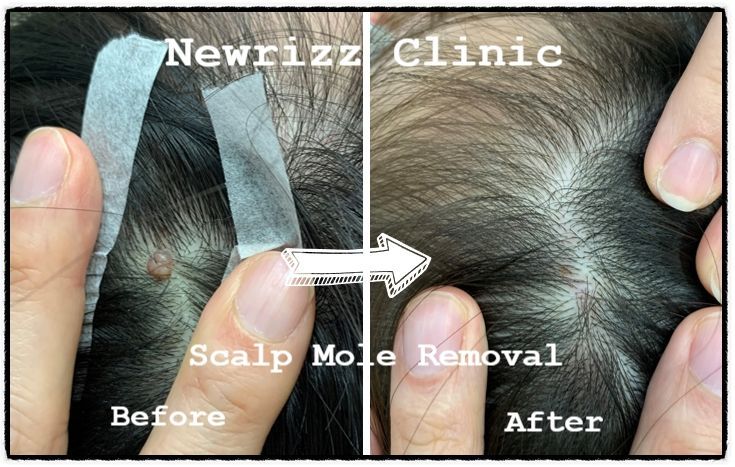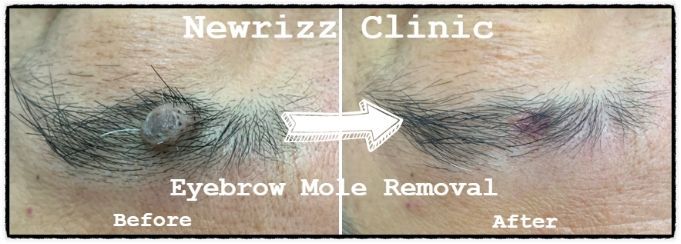
Black Mole Removal Seoul | NewRizz Skin Clinic
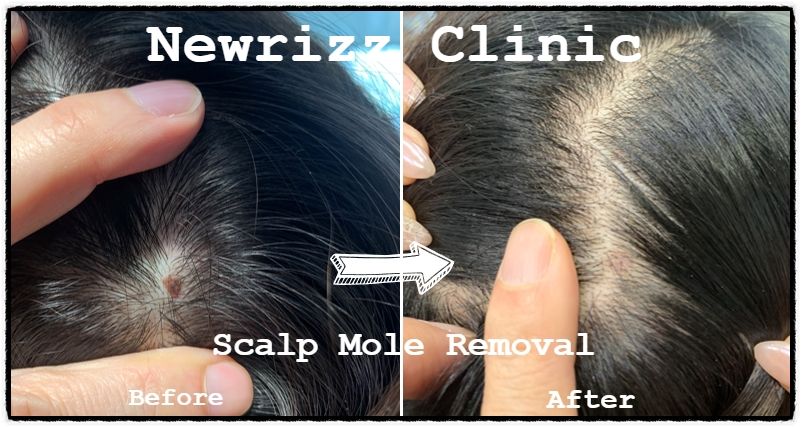
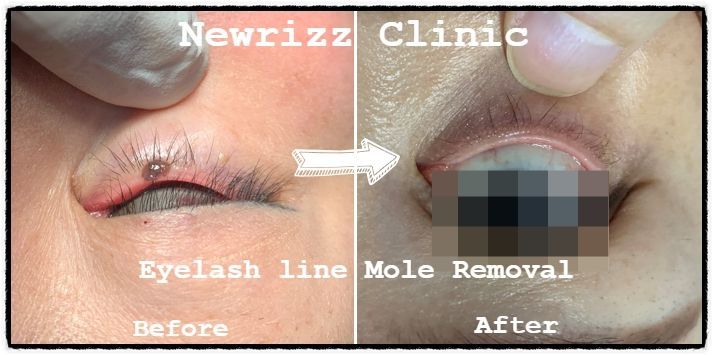
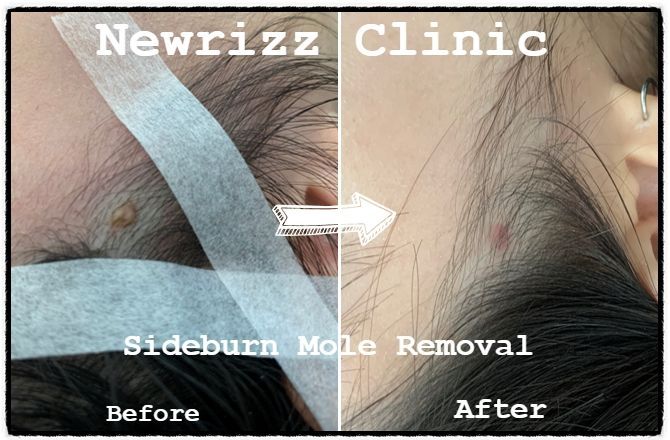
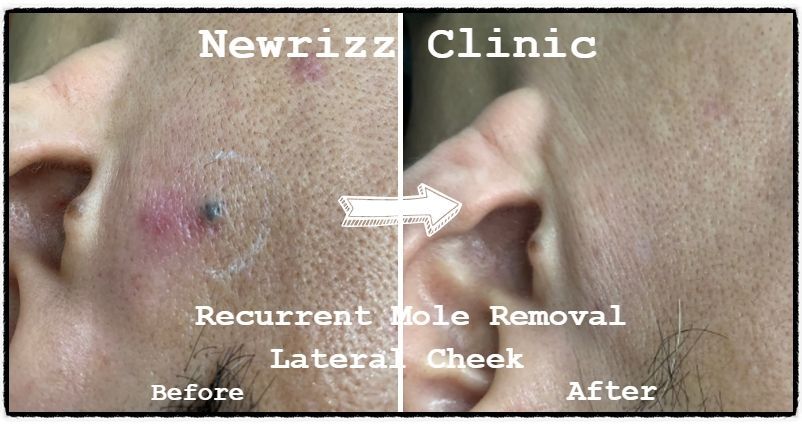
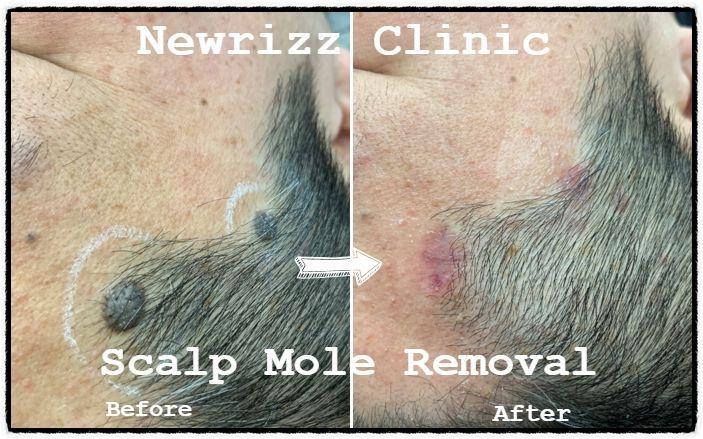
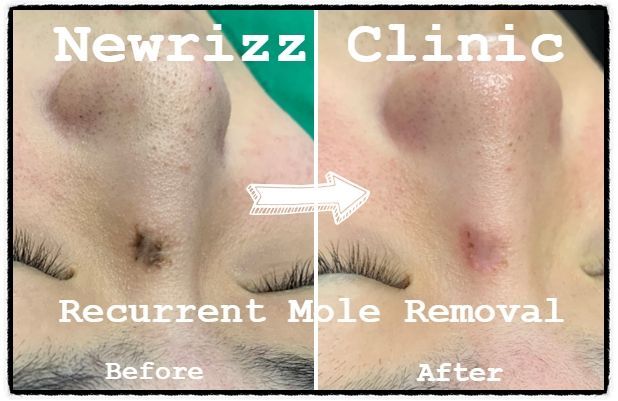
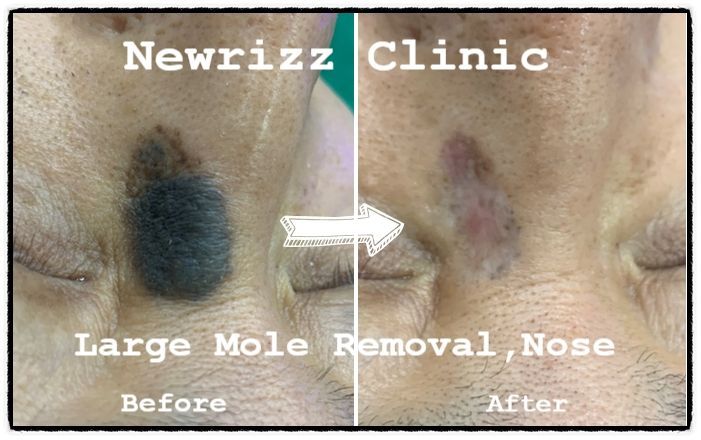
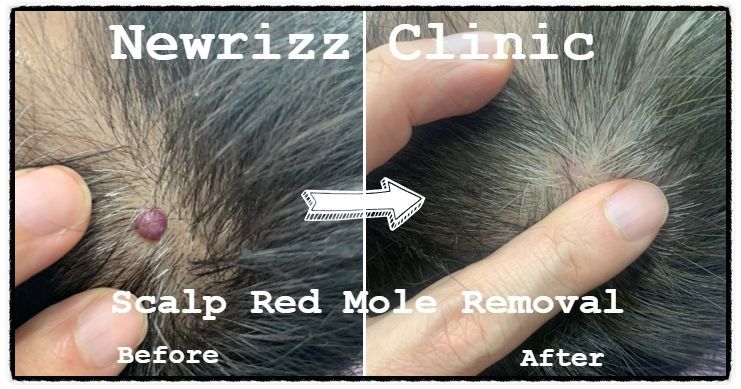
Black mole removal in Seoul is a specialized dermatology procedure focused on evaluating and safely removing dark brown to black pigmented moles for cosmetic, functional, or medical reasons. At NewRizz Skin Clinic, every black mole is carefully assessed to determine its type, depth, pigmentation pattern, and suitability for laser removal, shave excision, or surgical excision. While many black moles are benign melanocytic nevi, changes in color, shape, size, or symptoms may require professional examination before removal. Dark-colored moles are common and may appear flat, raised, congenital, or acquired.
What Is a Black Mole?
A black mole is a pigmented skin lesion that appears dark brown, dark gray, or black due to a higher concentration of melanin-producing cells called melanocytes.
Black moles may be:
- Flat
- Raised
- Congenital
- Acquired
- Hair-bearing
- Small or large
- Single or multiple
Most black moles are benign, but professional evaluation is recommended if a mole changes over time.
Why Do Some Moles Appear Black?
The dark color comes from melanin, the pigment responsible for skin, hair, and eye color.
Factors influencing mole color include:
- Melanin concentration
- Mole depth
- Skin type
- Genetics
- Sun exposure
- Age
People with darker skin tones often develop darker pigmented moles naturally.
Common Types of Black Moles
Junctional Nevus
Typically appears:
- Flat
- Dark brown to black
- Uniformly pigmented
- Well-defined
These lesions are often located near the epidermal-dermal junction.
Compound Nevus
Characteristics include:
- Slightly raised appearance
- Dark pigmentation
- Smooth surface
- Well-defined borders
Compound nevi contain pigment cells in both superficial and deeper skin layers.
Intradermal Nevus
Features include:
- Raised or dome-shaped appearance
- Brown or black coloration
- Possible hair growth
- Soft texture
These are among the most common raised moles in adults.
Congenital Black Mole
Present at birth or develops shortly after birth.
Treatment depends on:
- Size
- Location
- Cosmetic concerns
- Clinical characteristics
Atypical Pigmented Mole
Some dark moles may display irregular features requiring closer evaluation.
Characteristics may include:
- Irregular borders
- Multiple colors
- Asymmetry
- Enlargement over time
Such lesions often require careful dermatologic assessment.
Common Areas Treated
Black moles commonly appear on:
Face
- Forehead
- Nose
- Cheeks
- Chin
- Jawline
- Temple area
Head and Neck
- Scalp
- Hairline
- Neck
Body
- Chest
- Back
- Arms
- Hands
- Legs
- Abdomen
Facial black mole removal is particularly popular because dark pigmentation often makes the lesion more noticeable.
When Should a Black Mole Be Evaluated?
Professional assessment is recommended if a mole develops:
- Changes in size
- Changes in color
- Irregular borders
- Bleeding
- Itching
- Pain
- Rapid growth
- Multiple colors
The ABCDE rule is commonly used when evaluating suspicious pigmented lesions.
Black Mole Removal Methods
Laser Black Mole Removal
Laser treatment may be appropriate for selected benign pigmented moles.
Benefits include:
- High precision
- Minimal downtime
- Cosmetic-focused outcomes
- Minimal bleeding
- Fast treatment
Laser treatment is generally best suited for carefully selected superficial benign lesions.
Shave Excision
Shave excision is commonly used for:
- Raised black moles
- Intradermal nevi
- Cosmetic mole removal
Benefits include:
- Quick procedure
- No stitches in many cases
- Fast recovery
- Excellent cosmetic outcomes
Surgical Excision
Surgical excision is often recommended for:
- Deep black moles
- Large pigmented moles
- Recurrent moles
- Suspicious lesions
- Congenital nevi
Benefits include:
- Complete removal
- Pathology testing
- Lower recurrence risk
- Definitive treatment
Benefits of Professional Black Mole Removal
Professional treatment offers:
- Accurate diagnosis
- Safe mole removal
- Cosmetic-focused treatment
- Reduced recurrence risk
- Pathology testing when indicated
- Scar-conscious techniques
- Personalized treatment planning
Home mole removal methods should be avoided because they may increase the risk of infection, scarring, and delayed diagnosis of potentially concerning lesions.
Recovery After Black Mole Removal
Recovery depends on:
- Mole size
- Mole depth
- Treatment method
- Treatment location
Patients may experience:
- Mild redness
- Small scabs
- Temporary swelling
- Mild tenderness
- Temporary pigmentation changes
Most patients can return to normal activities shortly after treatment.
Can Black Moles Grow Back?
Recurrence depends on:
- Mole depth
- Treatment technique
- Completeness of removal
Some moles may recur if pigment cells remain beneath the skin. Surgical excision generally has the lowest recurrence rate.
Black Mole Removal for International Patients
Many international patients travel to Seoul for cosmetic mole removal because of advanced dermatology technology and efficient treatment scheduling.
NewRizz Skin Clinic welcomes patients seeking:
- Facial black mole removal
- Raised mole removal
- Cosmetic mole treatment
- Multiple mole removal
- Same-day mole consultation
- Scar-conscious dermatology care
Many patients can complete consultation and treatment during a single visit.
Why Choose NewRizz Skin Clinic?
NewRizz Skin Clinic provides advanced black mole removal with a focus on safety, precision, and cosmetic excellence.
Patients benefit from:
- Expert mole assessment
- Advanced laser technology
- Surgical excision expertise
- Personalized treatment plans
- Scar-conscious techniques
- Pathology coordination when necessary
- International patient support
- Modern dermatology care in Seoul
Frequently Asked Questions
What is a black mole?
A black mole is a pigmented skin lesion that appears dark brown or black because of concentrated melanin-producing cells.
Are black moles dangerous?
Most black moles are benign, but any mole that changes in size, color, shape, or symptoms should be professionally evaluated.
Why is my mole black?
Dark pigmentation results from melanin produced by melanocytes within the mole.
Can black moles be removed with laser treatment?
Selected benign black moles may be treated with laser technology depending on their depth and characteristics.
What is the best treatment for a raised black mole?
Shave excision and surgical excision are among the most common treatments for raised pigmented moles.
Can removed black moles be tested?
Yes. Surgically removed tissue can be sent for pathology evaluation when medically indicated.
Will black mole removal leave a scar?
All skin procedures carry some risk of scarring, but scar-conscious techniques are used to optimize cosmetic outcomes.
How long does healing take?
Most patients experience initial healing within days to weeks depending on the treatment method.
Can black moles grow back?
Some moles may recur if residual mole cells remain after treatment.
Can international patients receive same-day treatment?
Yes. Many international patients can receive consultation and treatment during the same visit depending on the lesion and treatment plan.