Raised Mole Removal Seoul |
Jamsil NewRizz Skin Clinic
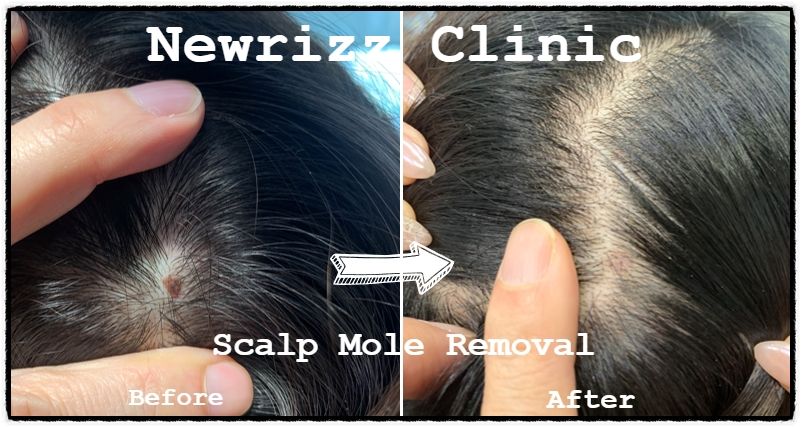
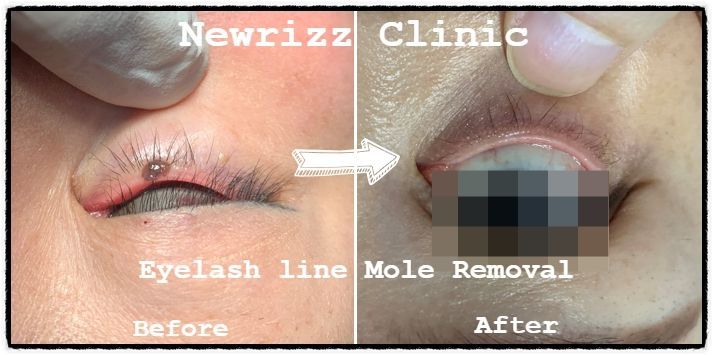
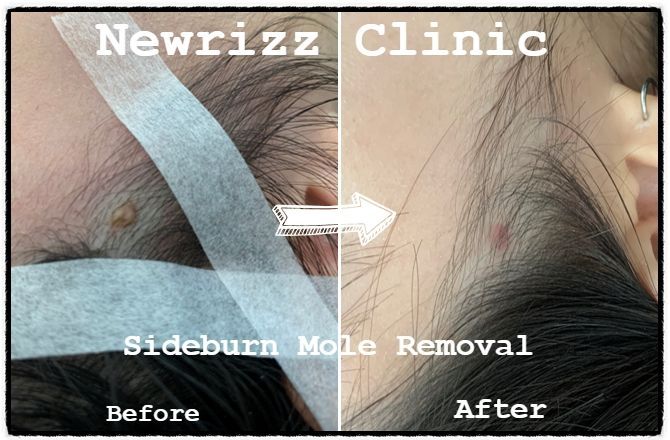
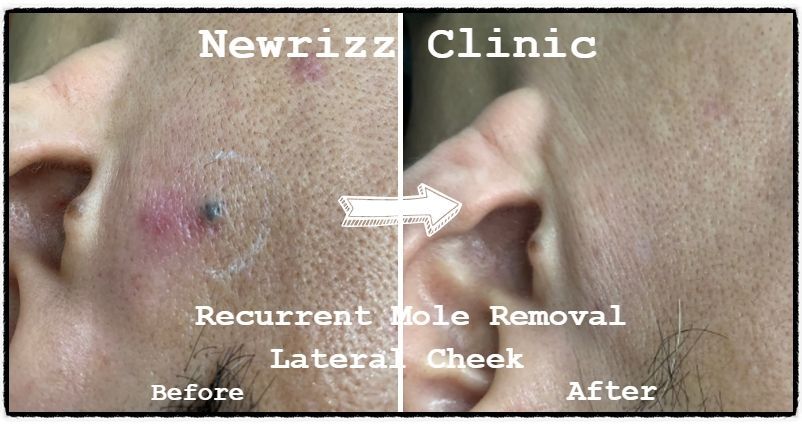
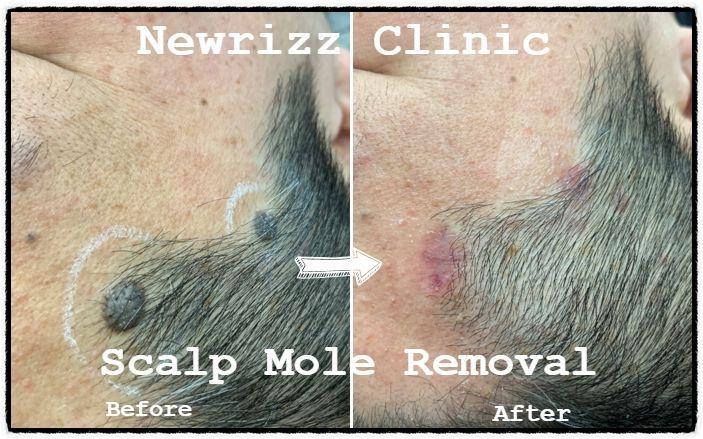
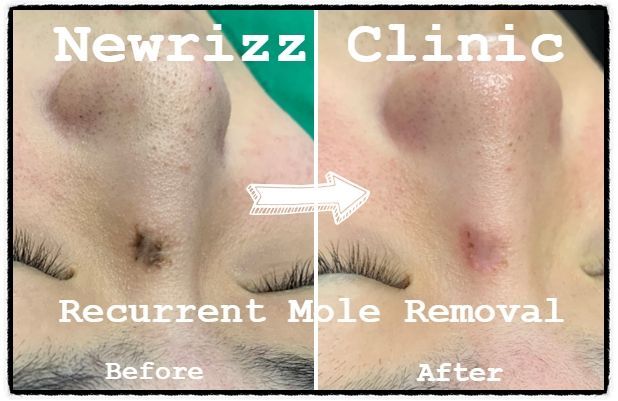
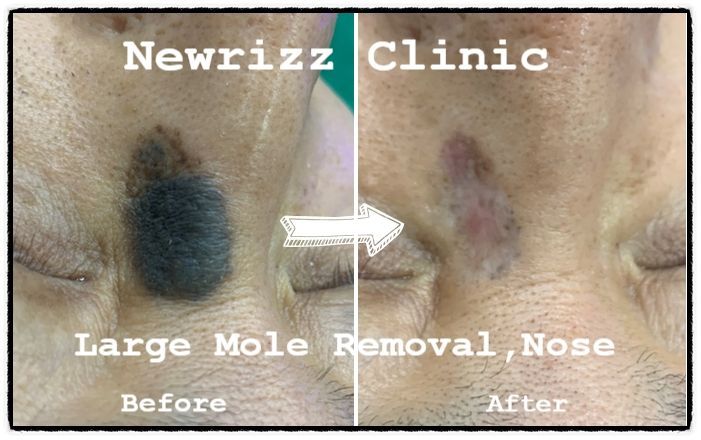
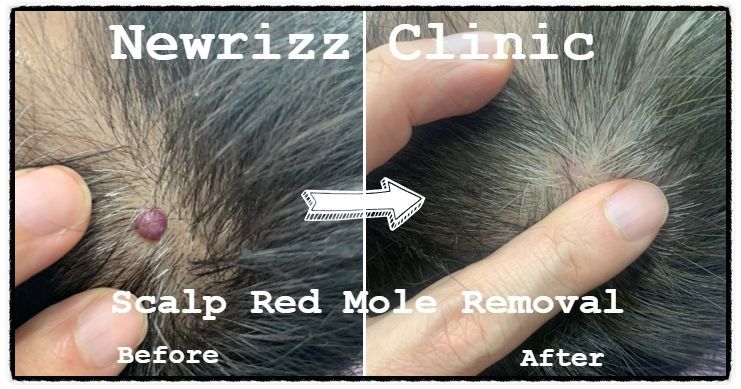
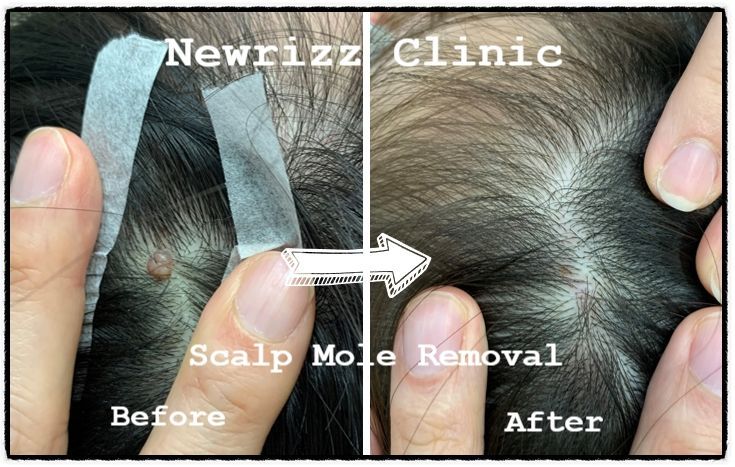
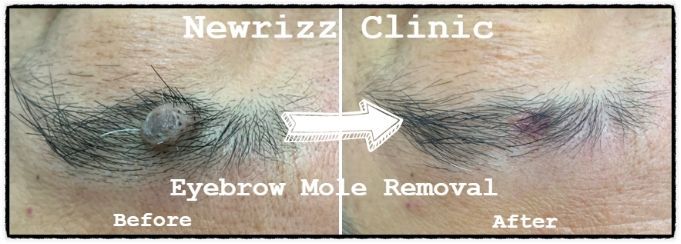
Raised mole removal in Seoul is a specialized dermatology procedure designed to safely remove protruding moles while minimizing visible scarring and preserving natural skin contours. At NewRizz Skin Clinic, raised moles are carefully evaluated to determine their depth, type, and location before selecting the most appropriate treatment method, which may include shave excision, laser treatment, or surgical excision. Raised moles are commonly intradermal or compound nevi and are frequently removed for cosmetic reasons, irritation, shaving discomfort, or repeated trauma.
What Is a Raised Mole?
A raised mole is a benign skin growth that protrudes above the skin surface. Unlike flat moles, raised moles often extend deeper into the dermis and may appear dome-shaped, flesh-colored, brown, or slightly pigmented.
Common characteristics include:
- Elevated appearance
- Smooth or slightly textured surface
- Round or oval shape
- Flesh-colored or brown coloration
- Hair growth in some lesions
- Long-term stability
Many raised moles are intradermal nevi, one of the most common benign mole types seen in adults.
Why Remove a Raised Mole?
Patients commonly seek removal because raised moles may:
- Interfere with shaving
- Catch on clothing
- Become irritated
- Bleed after trauma
- Cause cosmetic concerns
- Affect facial symmetry
- Become uncomfortable during daily activities
- Draw unwanted attention
Most raised mole removals are performed for cosmetic or comfort-related reasons rather than medical necessity.
Common Areas Treated
Raised moles frequently occur on:
Face
- Forehead
- Nose
- Eyelids
- Cheeks
- Chin
- Jawline
Head and Neck
- Scalp
- Hairline
- Neck
Body
- Chest
- Back
- Shoulders
- Arms
- Abdomen
- Legs
Facial raised mole removal is among the most commonly requested cosmetic dermatology procedures in Seoul.
Types of Raised Moles
Intradermal Nevus
The most common type of raised mole.
Features include:
- Dome-shaped appearance
- Soft texture
- Flesh-colored or light brown color
- Often contains hair
Compound Nevus
Contains pigment cells in both superficial and deeper skin layers.
Features include:
- Slight elevation
- Brown coloration
- Well-defined borders
Congenital Raised Mole
Present at birth or develops shortly afterward.
Treatment recommendations depend on:
- Size
- Location
- Appearance
- Cosmetic goals
How Raised Moles Are Evaluated
At NewRizz Skin Clinic, every mole undergoes careful assessment before treatment.
Evaluation may include:
- Clinical examination
- Lesion mapping
- Depth assessment
- Pigmentation analysis
- Medical history review
- Treatment planning
Certain lesions may require pathology evaluation if clinically indicated.
Raised Mole Removal Methods
Shave Excision
Shave excision is one of the most commonly used techniques for raised mole removal.
Benefits include:
- No stitches required
- Quick procedure
- Fast healing
- Excellent cosmetic outcomes
- Minimal downtime
A specialized surgical blade is used to remove the mole at skin level while preserving surrounding tissue. Shave excision is often considered an ideal option for protruding benign moles.
Surgical Excision
For deeper, larger, recurrent, or suspicious moles, surgical excision may be recommended.
Benefits include:
- Complete removal
- Pathology testing when indicated
- Lower recurrence risk
- Effective treatment of deep lesions
Sutures may be required depending on lesion size and depth.
Laser Mole Removal
Selected raised moles may benefit from laser treatment.
Laser therapy is often most suitable for:
- Smaller lesions
- Superficial components
- Cosmetic enhancement after shave removal
- Selected pigmented moles
Treatment recommendations depend on individual mole characteristics.
Benefits of Professional Raised Mole Removal
Professional treatment provides:
- Accurate diagnosis
- Safe removal
- Cosmetic-focused outcomes
- Reduced recurrence risk
- Minimal downtime
- Scar-conscious techniques
- Personalized treatment planning
- Pathology evaluation when needed
Professional evaluation is important because not all raised skin lesions are benign moles.
Recovery After Raised Mole Removal
Recovery depends on:
- Mole size
- Mole depth
- Treatment method
- Treatment location
Patients may experience:
- Mild redness
- Small scabs
- Temporary swelling
- Mild tenderness
- Temporary discoloration
Most patients resume normal activities quickly after treatment. Shave excision often heals without sutures and typically involves a short recovery period.
Will a Raised Mole Grow Back?
Recurrence depends on:
- Mole depth
- Treatment method
- Completeness of removal
Shave excision may carry a higher recurrence risk than full surgical excision because deeper mole cells can remain beneath the skin surface. Surgical excision generally offers the lowest recurrence risk.
Raised Mole Removal for International Patients
Many international patients visit Seoul for cosmetic mole removal because treatment is efficient, minimally invasive, and often available during a short trip.
NewRizz Skin Clinic welcomes overseas visitors seeking:
- Facial mole removal
- Raised mole treatment
- Cosmetic mole removal
- Multiple mole removal
- Scar-conscious dermatology procedures
Many patients can receive consultation and treatment during the same visit.
Why Choose NewRizz Skin Clinic?
NewRizz Skin Clinic provides advanced raised mole removal with a focus on safety, precision, and cosmetic excellence.
Patients benefit from:
- Expert mole evaluation
- Advanced dermatology technology
- Personalized treatment plans
- Shave excision expertise
- Surgical removal options
- Scar-conscious techniques
- International patient support
- Modern dermatology care in Seoul
Frequently Asked Questions
What is a raised mole?
A raised mole is a benign skin growth that protrudes above the skin surface and commonly represents an intradermal or compound nevus.
What is the best treatment for a raised mole?
Treatment depends on the mole's size and depth. Shave excision is commonly used for protruding benign moles, while deeper lesions may require surgical excision.
Can raised moles be removed without stitches?
Yes. Many raised moles can be removed using shave excision, which often does not require sutures.
Is laser treatment suitable for raised moles?
Some raised moles may be treated with laser therapy, but suitability depends on the lesion type and depth.
Will there be a scar after raised mole removal?
Any skin procedure can leave a scar, but scar-conscious techniques are used to optimize cosmetic outcomes.
How long does the procedure take?
Most raised mole removal procedures can be completed during a short outpatient visit.
Does raised mole removal hurt?
Local anesthesia is typically used to maximize comfort during treatment.
Can raised moles grow back?
Some moles may recur depending on the treatment method and depth of the lesion. Surgical excision generally has the lowest recurrence rate.
Can removed moles be tested?
Yes. Tissue obtained through surgical excision can be sent for pathology analysis when medically indicated.
Can international patients receive same-day treatment?
Yes. Many international patients can receive consultation and treatment during the same visit depending on the lesion and treatment plan.