Laser Mole Removal Korea |
Jamsil NewRizz Skin Clinic
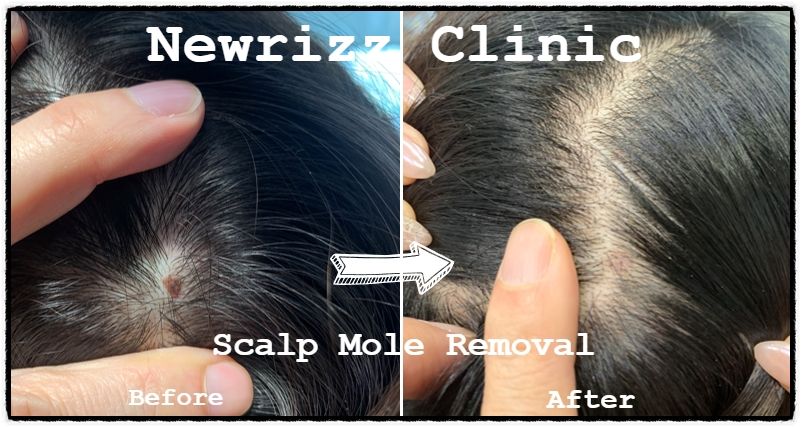
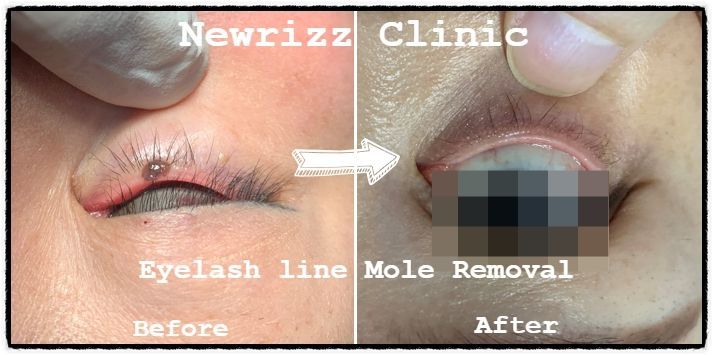
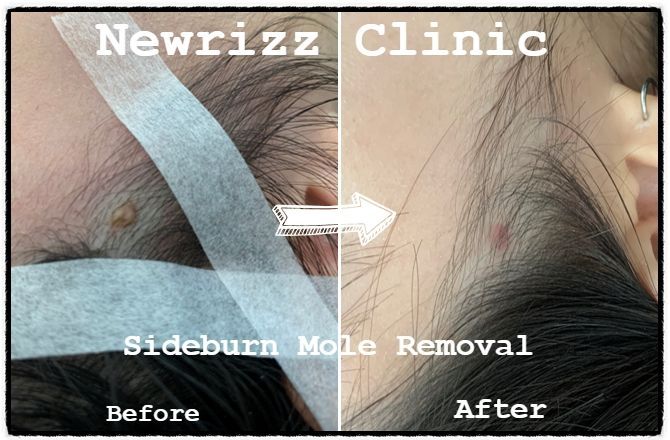
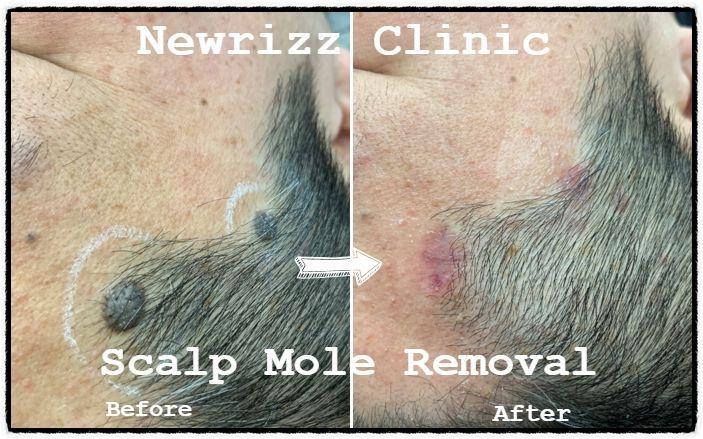
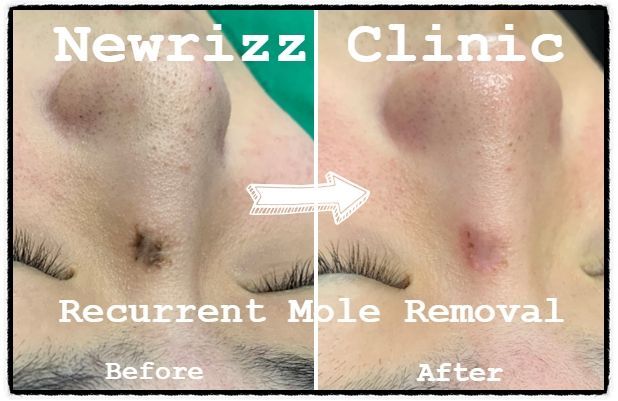
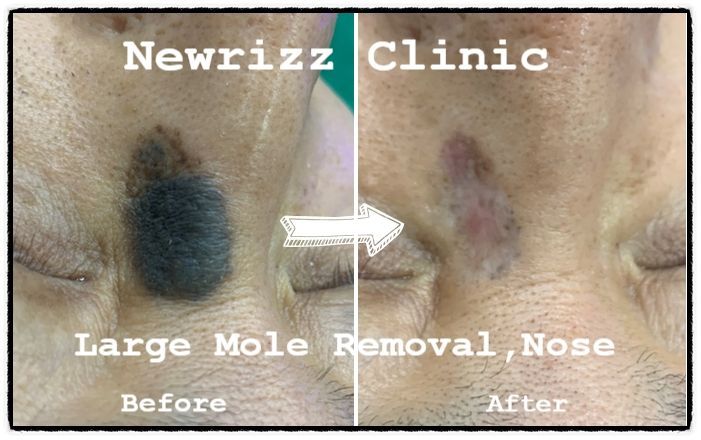
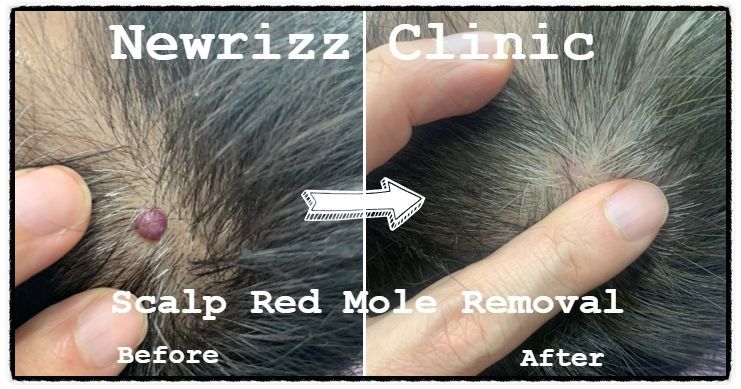
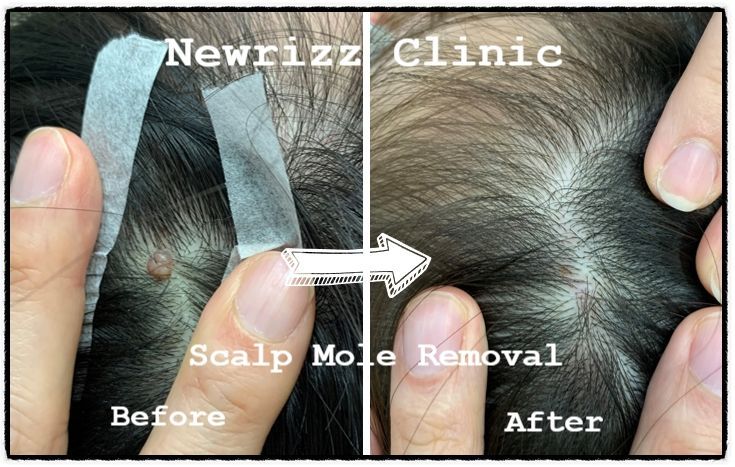
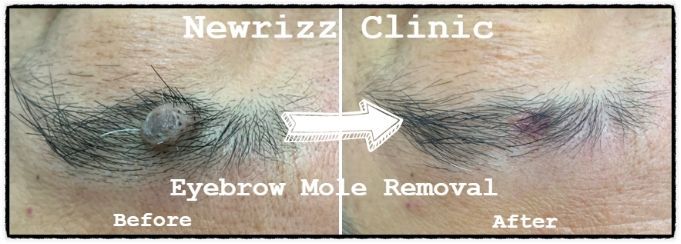
Laser mole removal in Korea is one of the most commonly performed cosmetic dermatology procedures for benign moles and pigmented skin lesions. At NewRizz Skin Clinic in Seoul, laser mole removal is carefully customized according to the mole's size, depth, location, and clinical characteristics to achieve safe treatment, minimal downtime, optimal healing, and scar-conscious cosmetic outcomes. Advanced laser technologies are widely used in Korea because they allow precise removal of selected superficial and raised lesions while minimizing damage to surrounding skin.
What Is Laser Mole Removal?
Laser mole removal is a dermatologic procedure that uses focused laser energy to remove or reduce benign moles and pigmented lesions.
Korean dermatology clinics frequently use laser-based approaches for cosmetic mole removal because of their precision and ability to treat multiple lesions during a single visit. Depending on the mole's characteristics, laser treatment may be used alone or combined with other removal techniques.
At NewRizz Skin Clinic, every mole is evaluated before treatment to determine whether laser removal is the safest and most effective option.
Why Laser Mole Removal Is Popular in Korea
Korea has become a global destination for cosmetic dermatology due to advanced laser technology and strong emphasis on aesthetic outcomes.
Patients often choose laser mole removal because it offers:
- Precise treatment
- Minimal downtime
- Fast recovery
- Excellent cosmetic outcomes
- Treatment of multiple lesions
- Minimal disruption to daily activities
- Scar-conscious approaches
- Convenient outpatient treatment
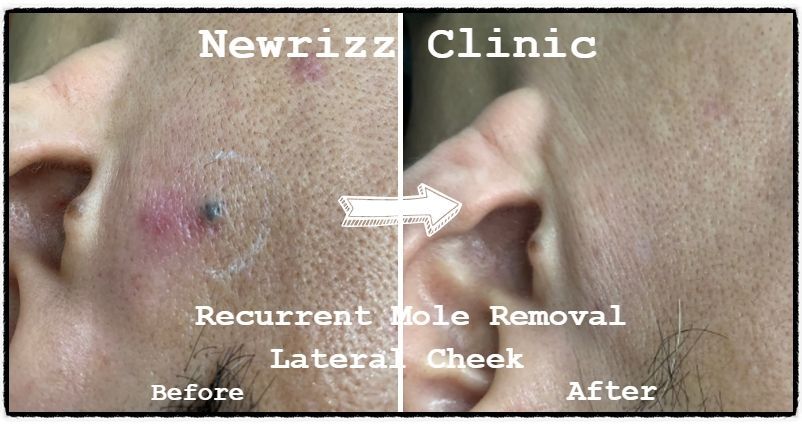
Laser treatment is especially popular for facial moles where cosmetic appearance is a primary concern.
Conditions Commonly Treated
Laser mole removal may be considered for:
- Small facial moles
- Flat pigmented moles
- Raised benign moles
- Cosmetic moles
- Multiple facial moles
- Neck moles
- Body moles
- Hairline moles
- Benign pigmented lesions
- Selected congenital moles
Treatment suitability depends on professional examination.
How Laser Mole Removal Works
Laser energy targets pigmented or raised tissue with high precision.
The treatment process typically includes:
Consultation and Assessment
A dermatologist evaluates the lesion's size, depth, pigmentation, and overall characteristics.
Treatment Planning
The most appropriate laser settings and treatment method are selected.
Local Anesthesia
Topical or local anesthesia may be used depending on lesion size and treatment depth.
Laser Treatment
The laser precisely removes targeted tissue layer by layer while minimizing injury to surrounding skin. Korean clinics commonly use CO2 laser systems for appropriately selected benign moles.
Recovery and Follow-Up
Patients receive personalized aftercare instructions to support healing and reduce complications.
Not Every Mole Is Suitable for Laser Removal
One of the most important aspects of mole treatment is selecting the correct removal method.
Laser removal may not be ideal for:
- Deep moles
- Very large moles
- Suspicious lesions
- Rapidly changing moles
- Lesions requiring pathology testing
- Certain congenital moles
In these situations, surgical excision or biopsy may provide a safer and more definitive approach. Suspicious moles should always be properly evaluated before cosmetic treatment.
Laser Mole Removal vs Surgical Excision
Laser Mole Removal
Best suited for selected benign lesions where cosmetic outcomes are important.
Benefits may include:
- Minimal downtime
- Excellent precision
- Fast treatment
- Minimal discomfort
- Cosmetic-focused healing
Surgical Excision
Often recommended for:
- Deep lesions
- Large moles
- Diagnostic evaluation
- Pathology testing
- Complete removal requirements
The most appropriate method depends on individual lesion characteristics.
Recovery After Laser Mole Removal
Recovery is generally straightforward.
Patients may experience:
- Mild redness
- Temporary swelling
- Scab formation
- Mild tenderness
- Temporary pigmentation changes
- Gradual healing over several weeks
Most patients can quickly return to normal daily activities. Proper wound care and sun protection play important roles in achieving optimal cosmetic outcomes.
Scar Prevention and Cosmetic Outcomes
One reason Korea is known for mole removal is its emphasis on cosmetic results.
Factors affecting outcomes include:
- Mole size
- Mole depth
- Location
- Treatment method
- Skin type
- Healing response
- Aftercare compliance
At NewRizz Skin Clinic, treatment planning prioritizes both medical safety and aesthetic outcomes.
Why Choose NewRizz Skin Clinic?
NewRizz Skin Clinic provides personalized mole evaluation and treatment planning for both local and international patients.
Patients benefit from:
- Expert dermatologic assessment
- Advanced laser technologies
- Individualized treatment plans
- Scar-conscious techniques
- Cosmetic-focused outcomes
- International patient support
- Modern dermatology care in Seoul
Frequently Asked Questions
What is laser mole removal?
Laser mole removal is a dermatologic procedure that uses focused laser energy to remove selected benign moles and pigmented lesions.
Is laser mole removal safe?
When performed by qualified medical professionals after proper evaluation, laser mole removal is considered a safe and effective treatment for appropriately selected lesions.
Can all moles be removed with laser treatment?
No. Deep, large, suspicious, or changing moles may require biopsy or surgical excision instead of laser treatment.
Does laser mole removal leave scars?
While no procedure can guarantee scar-free healing, laser treatment is often selected because it can minimize visible scarring in suitable cases.
Is laser mole removal painful?
Most patients tolerate treatment very well. Topical or local anesthesia is commonly used to maximize comfort.
How long does laser mole removal take?
Most treatments are completed during an outpatient visit, although treatment time varies depending on the number and size of lesions.
How long does healing take?
Initial healing often occurs within days to weeks, while complete cosmetic improvement may continue over several months.
Can a mole return after laser removal?
Some moles may recur if deeper mole cells remain beneath the skin. Treatment recommendations are individualized to minimize recurrence risk.
Can multiple moles be treated during one visit?
Yes. Many patients choose to treat multiple moles during a single appointment.
Can international patients receive same-day treatment?
Many international patients can receive consultation and treatment during the same visit depending on lesion characteristics and treatment recommendations.