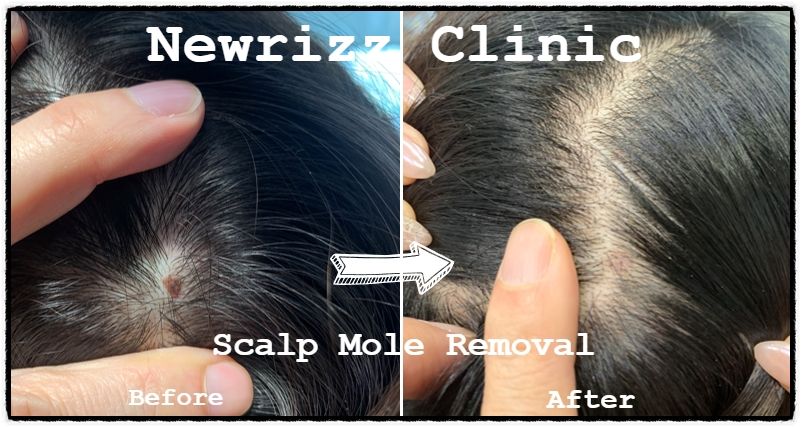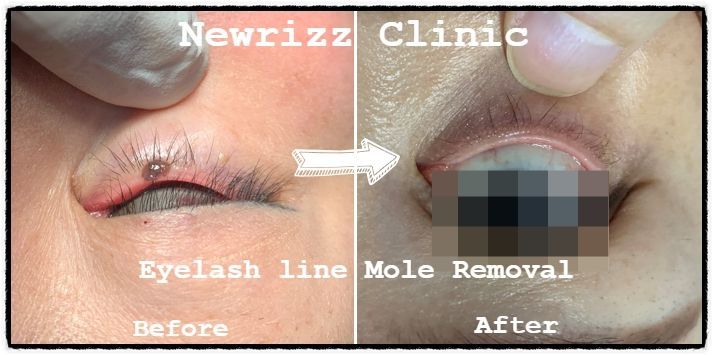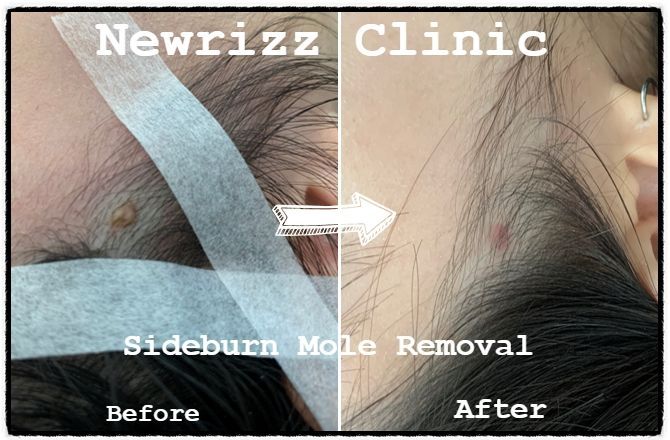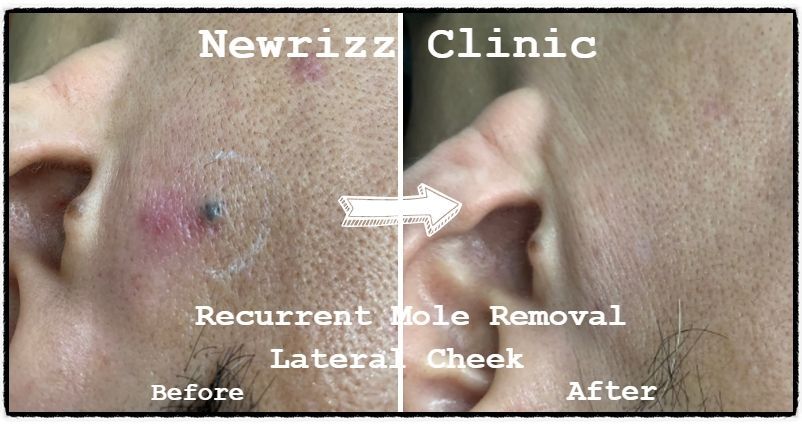
Surgical Mole Removal Korea |
Jamsil NewRizz Skin Clinic
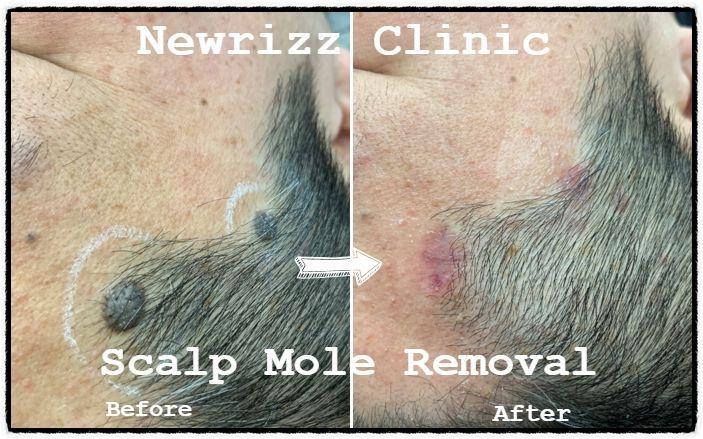
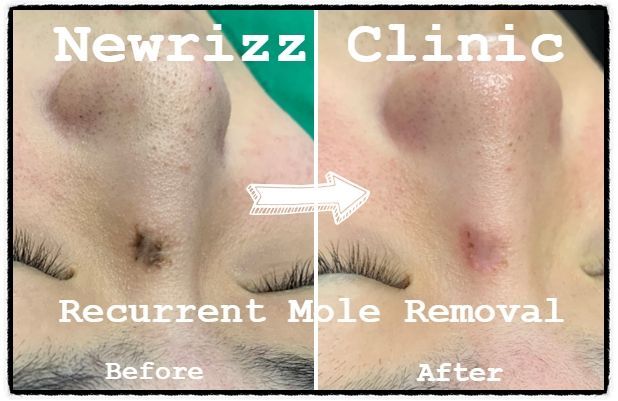
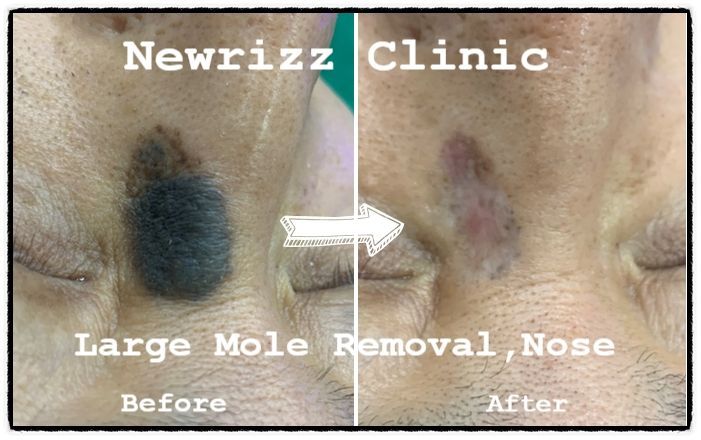
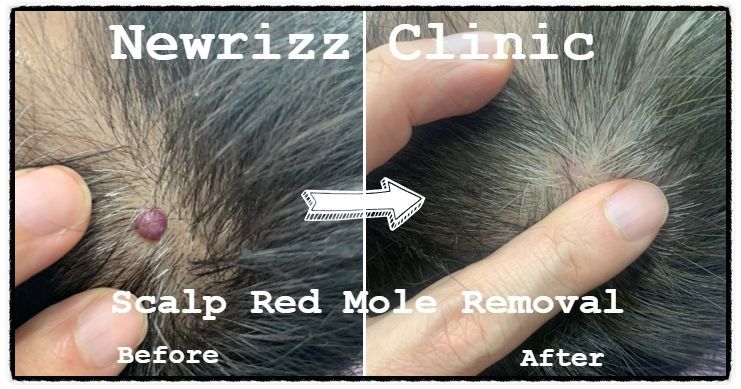
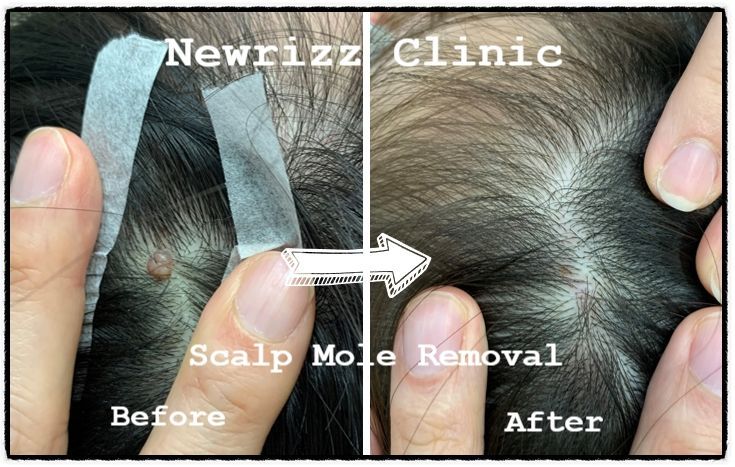
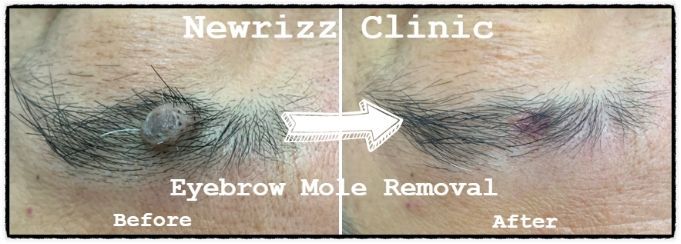
Surgical mole removal in Korea is the preferred treatment for large, deep, raised, recurrent, or medically suspicious moles that require complete removal and possible pathological examination. At NewRizz Skin Clinic in Seoul, surgical mole removal is performed with a strong focus on safety, accurate diagnosis, complete lesion excision, scar-conscious closure techniques, and optimal cosmetic outcomes. Surgical excision is often recommended when laser treatment may not provide complete removal or when tissue analysis is necessary.
What Is Surgical Mole Removal?
Surgical mole removal is a minor dermatologic procedure that completely removes a mole using specialized excision techniques. Unlike some cosmetic removal methods that primarily target surface tissue, surgical excision removes the entire lesion, including deeper components that may exist beneath the skin surface.
At NewRizz Skin Clinic, every mole is evaluated individually before treatment. Factors such as size, depth, pigmentation, location, growth history, symptoms, and cosmetic concerns are carefully assessed to determine whether surgical excision is the most appropriate treatment option.
Why Surgical Mole Removal Is Performed
Surgical removal may be recommended for:
- Large moles
- Deep moles
- Recurrent moles
- Changing moles
- Raised moles
- Suspicious pigmented lesions
- Congenital moles
- Moles causing irritation
- Moles frequently traumatized by clothing or shaving
- Lesions requiring pathological diagnosis
In many cases, surgical excision allows complete removal while providing tissue for microscopic examination when clinically indicated.
When Surgical Removal Is Better Than Laser Treatment
Although laser mole removal is highly effective for selected superficial lesions, surgery is often preferred when:
- The mole extends deeply into the skin
- The lesion is large
- Recurrence has occurred after previous treatment
- Pathology testing is required
- The mole shows concerning changes
- Complete removal is the primary goal
Surgical excision provides a more definitive treatment option for lesions that cannot be adequately treated with laser technology alone.
Common Areas Treated
Surgical mole removal is commonly performed on:
- Face
- Nose
- Eyelids
- Forehead
- Scalp
- Neck
- Chest
- Back
- Arms
- Hands
- Legs
- Feet
Treatment planning varies according to location, skin tension, cosmetic considerations, and healing characteristics.
How Surgical Mole Removal Works
Consultation and Examination
A dermatologist evaluates the lesion and determines whether surgical removal is appropriate.
Local Anesthesia
The treatment area is numbed using local anesthetic to maximize comfort during the procedure.
Precise Excision
The mole is carefully removed along with a small margin of surrounding tissue when necessary. The exact technique depends on the lesion's characteristics and medical requirements.
Wound Closure
The area is closed using meticulous closure techniques designed to optimize healing and minimize visible scarring.
Histopathology
When medically indicated, removed tissue may be sent for microscopic examination by a pathologist to confirm diagnosis.
Benefits of Surgical Mole Removal
Advantages may include:
- Complete lesion removal
- Lower recurrence risk
- Ability to perform pathology testing
- Accurate diagnosis
- Definitive treatment
- Suitable for deep lesions
- Effective for large moles
- Long-term treatment results
- Medical and cosmetic benefits
For many patients, surgical excision provides the highest level of diagnostic certainty and treatment completeness.
Recovery After Surgical Mole Removal
Recovery depends on the size, depth, and location of the excision.
Patients may experience:
- Mild swelling
- Temporary redness
- Minor discomfort
- Bruising
- Stitches when required
- Gradual scar maturation
Most patients return to normal daily activities quickly, although strenuous activity may need to be limited temporarily depending on the treatment area.
Scar Management and Cosmetic Outcomes
Any surgical procedure can result in a scar. However, proper surgical planning and aftercare significantly influence the final cosmetic outcome.
Factors affecting healing include:
- Mole size
- Mole depth
- Treatment location
- Skin type
- Wound tension
- Genetics
- Sun exposure
- Aftercare compliance
At NewRizz Skin Clinic, scar-conscious techniques are incorporated into every stage of treatment planning.
Pathology and Diagnostic Benefits
One major advantage of surgical mole removal is the ability to perform histopathological analysis.
This may help:
- Confirm a benign diagnosis
- Identify atypical cells
- Evaluate suspicious lesions
- Guide future treatment
- Provide diagnostic certainty
For changing or unusual moles, pathological examination may be an important part of patient care.
Surgical Mole Removal for International Patients
Korea has become a leading destination for advanced dermatologic procedures because of its combination of medical expertise and cosmetic precision.
NewRizz Skin Clinic welcomes international patients seeking:
- Large mole removal
- Facial mole removal
- Suspicious mole evaluation
- Cosmetic mole excision
- Pathology-supported treatment
- Scar-conscious surgical care
Many patients can receive consultation and treatment during the same visit depending on the lesion and treatment plan.
Why Choose NewRizz Skin Clinic?
NewRizz Skin Clinic provides personalized surgical mole removal with a focus on safety, diagnostic accuracy, and cosmetic excellence.
Patients benefit from:
- Expert dermatologic assessment
- Advanced surgical techniques
- Personalized treatment planning
- Scar-conscious closure methods
- Histopathology support when indicated
- International patient services
- Modern dermatology care in Seoul
Frequently Asked Questions
What is surgical mole removal?
Surgical mole removal is a dermatologic procedure that completely removes a mole using excision techniques and may allow tissue examination when medically indicated.
When is surgical mole removal recommended?
Surgical removal is often recommended for large, deep, recurrent, changing, or suspicious moles that require complete removal or pathological examination.
Is surgical mole removal permanent?
In most cases, surgical excision provides complete removal of the lesion and reduces the likelihood of recurrence.
Does surgical mole removal leave a scar?
All surgical procedures can leave some degree of scarring, but careful surgical planning and proper aftercare help optimize cosmetic outcomes.
Is surgical mole removal painful?
Local anesthesia is typically used to keep patients comfortable throughout the procedure.
Can removed moles be tested?
Yes. Surgical excision allows tissue to be submitted for histopathological examination when appropriate.
How long does the procedure take?
Most surgical mole removals are outpatient procedures completed during a clinic visit, although treatment time varies depending on complexity.
How long does healing take?
Initial healing typically occurs over several weeks, while scar maturation may continue for several months.
Can large facial moles be surgically removed?
Yes. Surgical excision is commonly used for large facial moles when complete removal and cosmetic outcomes are priorities.
Can international patients receive treatment during a short trip to Korea?
Yes. Many international patients undergo consultation and treatment during the same visit depending on the lesion characteristics and treatment plan.