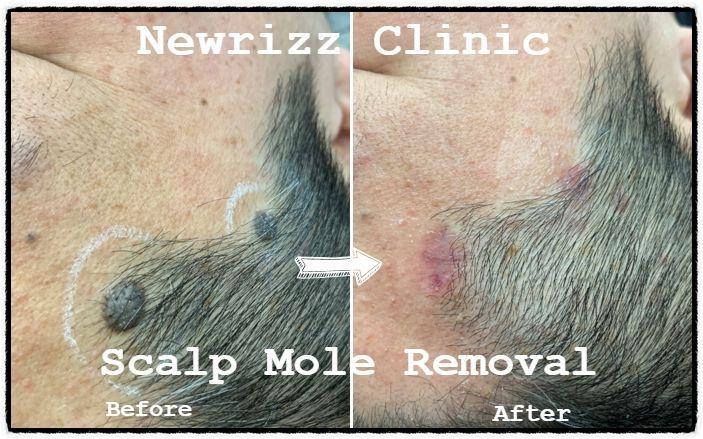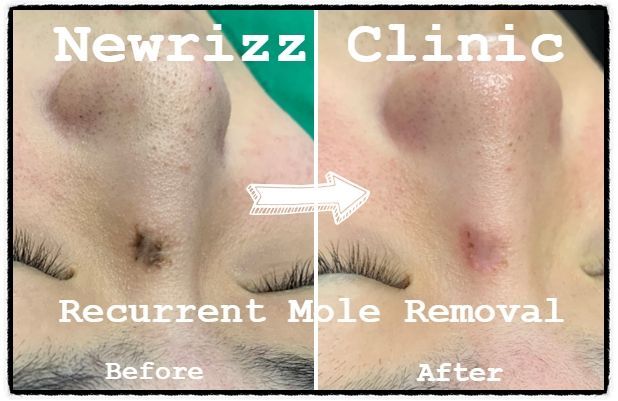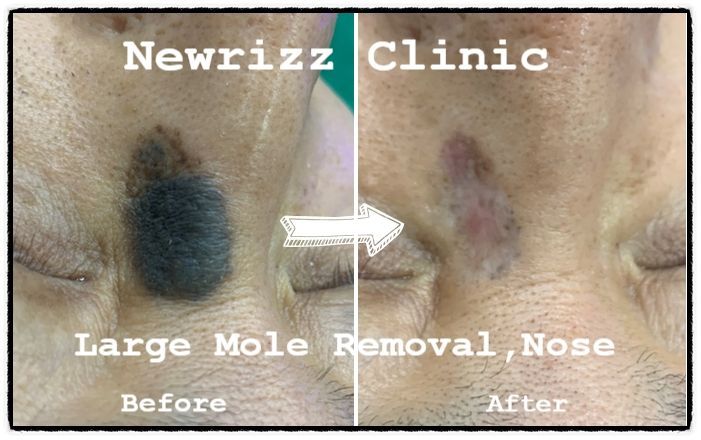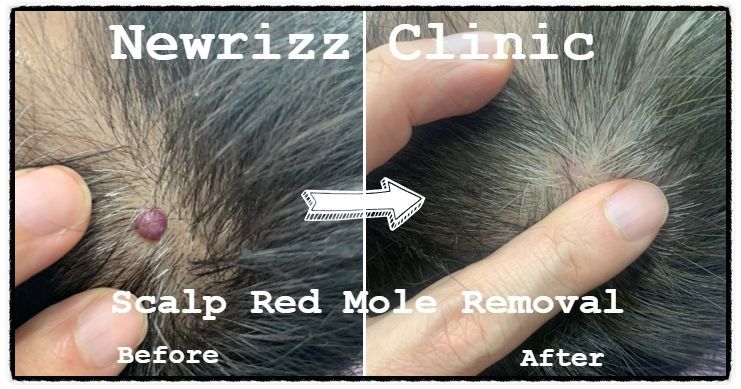
Large Mole Removal on Leg Korea |
Jamsil NewRizz Skin Clinic
Large mole removal on the leg in Korea is a specialized dermatology procedure designed to safely remove raised, growing, pigmented, or cosmetically concerning moles located on the thighs, knees, calves, ankles, and feet. At NewRizz Skin Clinic in Seoul, treatment focuses on accurate diagnosis, complete lesion removal when appropriate, minimal scarring, optimal healing, and long-term cosmetic outcomes. Every large mole should be professionally evaluated before removal to determine the safest and most effective treatment method.
Large Mole Removal on the Leg in Korea
Large moles on the legs are common and may be present from birth or develop gradually over time. While many remain stable and harmless, some become larger, darker, raised, irritated, or cosmetically bothersome.
Leg moles are often exposed to friction from clothing, shaving, exercise, and daily activities. Because the legs experience constant movement and skin tension, mole removal requires careful planning to minimize scarring and support proper healing.
At NewRizz Skin Clinic, every mole is thoroughly assessed before treatment. Factors such as size, depth, color, border characteristics, growth history, location, and skin type are considered when developing a personalized treatment plan.
Why Remove a Large Mole on the Leg?
Patients commonly choose treatment for both cosmetic and medical reasons.
Benefits may include:
- Improved skin appearance
- Better confidence when wearing shorts or skirts
- Reduced irritation from clothing
- Easier shaving
- Elimination of repeated friction
- Improved comfort during exercise
- Evaluation of suspicious lesions
- Histological diagnosis when necessary
- Prevention of continued enlargement
Large leg moles may become more noticeable over time, particularly when located on highly visible areas of the thigh or calf.
Common Types of Large Leg Moles
Large lesions on the legs may include:
- Congenital melanocytic nevi
- Intradermal nevi
- Compound nevi
- Raised pigmented moles
- Hair-bearing moles
- Skin-colored moles
- Benign melanocytic nevi
- Long-standing pigmented lesions
- Acquired moles
- Large raised skin lesions
Professional examination is essential before selecting the appropriate treatment method.
Signs a Leg Mole Should Be Evaluated
Medical evaluation is recommended if a mole:
- Continues growing
- Changes color
- Develops irregular borders
- Becomes raised suddenly
- Bleeds spontaneously
- Causes persistent itching
- Becomes painful
- Develops multiple colors
- Looks different from nearby moles
- Changes rapidly over time
Early evaluation helps ensure accurate diagnosis and timely treatment when necessary.
Treatment Options for Large Leg Mole Removal
Treatment selection depends on the lesion's size, depth, location, and clinical appearance.
Surgical Excision
Large or deep leg moles often require surgical excision to achieve complete removal. This technique allows removal of the entire lesion and may provide tissue for pathological examination when medically indicated.
Shave Removal
Certain raised moles may be suitable for shave excision techniques depending on their characteristics and depth.
Laser Treatment
Some superficial pigmented lesions may be candidates for laser treatment following careful evaluation.
Histopathological Examination
When appropriate, removed tissue can be examined under a microscope to confirm diagnosis and rule out concerning conditions.
Special Considerations for Leg Mole Removal
The legs present unique challenges because of:
- Increased skin tension
- Frequent movement
- Exercise-related friction
- Shaving irritation
- Longer healing times in some areas
- Scar visibility concerns
- Blood circulation differences
At NewRizz Skin Clinic, treatment planning is tailored to optimize both medical safety and cosmetic outcomes.
Recovery After Large Leg Mole Removal
Most patients can resume normal daily activities shortly after treatment.
Recovery may include:
- Mild swelling
- Temporary redness
- Minor tenderness
- Scab formation
- Temporary sensitivity
- Gradual healing over several weeks
Healing on the legs may sometimes take slightly longer than on certain facial areas due to differences in circulation and skin tension.
Detailed aftercare instructions are provided to support healing and reduce scar formation.
Scar Management and Cosmetic Outcomes
Many patients are concerned about scarring following mole removal.
Factors that influence cosmetic outcomes include:
- Mole size
- Mole depth
- Treatment method
- Leg location
- Skin type
- Healing response
- Sun exposure
- Aftercare compliance
NewRizz Skin Clinic emphasizes scar-conscious treatment planning and long-term cosmetic results.
Large Leg Mole Removal for International Patients
Korea is a leading destination for advanced dermatologic and cosmetic procedures. NewRizz Skin Clinic welcomes international patients seeking expert evaluation and removal of large leg moles.
Consultations include lesion assessment, treatment recommendations, pathology discussions when appropriate, recovery expectations, and individualized aftercare planning.
Many patients can complete consultation and treatment during the same visit depending on the lesion characteristics.
Why Choose NewRizz Skin Clinic?
NewRizz Skin Clinic provides individualized treatment planning for large leg moles with a focus on safety, precision, and cosmetic excellence.
Patients benefit from:
- Expert dermatologic evaluation
- Advanced removal techniques
- Personalized treatment plans
- Scar-conscious procedures
- Histological examination when indicated
- International patient support
- Modern dermatology care in Seoul
Frequently Asked Questions
Is a large mole on the leg dangerous?
Most leg moles are benign, but any mole that changes in size, shape, color, or behavior should be evaluated by a dermatologist.
Can large leg moles be permanently removed?
Yes. Depending on the lesion type and treatment method, permanent removal is often possible.
Do all large leg moles require surgery?
No. Some lesions may be suitable for shave removal or laser treatment, while others require surgical excision for complete removal or diagnosis.
Is leg mole removal painful?
Local anesthesia is typically used to maximize comfort during treatment.
Will there be a scar after removal?
Any skin procedure can result in some degree of scarring. Treatment methods are selected to minimize visible scarring whenever possible.
Can removed moles be tested?
Yes. When medically indicated, removed tissue can be sent for pathological examination.
How long does the procedure take?
Most treatments are completed during an outpatient visit, although procedure time varies depending on lesion size and complexity.
How long does healing take?
Initial healing usually occurs within several weeks, while scar maturation may continue for several months.
Can a mole grow back after removal?
Recurrence may occasionally occur depending on the treatment method and whether mole cells remain beneath the skin.
Can international patients receive consultation and treatment during one trip?
Yes. Many international patients can undergo consultation and treatment during the same visit depending on the lesion and treatment plan.