Can a Mole Be Skin Cancer?
Most moles are harmless, but some can develop into skin cancer or resemble skin cancer. Changes in a mole's size, shape, color, or symptoms such as bleeding and itching should be evaluated by a dermatologist. Early detection and diagnosis are essential for maintaining healthy skin and achieving the best treatment outcomes.

Can a Mole Be Skin Cancer?
Moles are extremely common and are usually benign skin growths. Most people have multiple moles on their body, and the majority never cause any health problems. However, certain moles can become cancerous or may already represent an early form of skin cancer.
Understanding the difference between a normal mole and a suspicious lesion can help patients seek timely medical attention and protect their long-term skin health.
If you notice a mole changing in appearance or behaving differently than your other moles, it is important to consult a dermatologist for professional evaluation.
What Is a Mole?
A mole, also known as a nevus, is a cluster of pigment-producing cells called melanocytes.
Moles can:
- Be flat or raised
- Appear brown, black, tan, pink, or skin-colored
- Develop during childhood or adulthood
- Remain stable for many years
Most moles are completely harmless and require no treatment unless they cause cosmetic concerns or irritation.
Can a Mole Turn Into Skin Cancer?
Yes, although it is relatively uncommon.
Some skin cancers, particularly melanoma, can develop from an existing mole or appear as a new pigmented lesion.
This is why dermatologists recommend monitoring moles for changes and seeking evaluation if anything appears unusual.
Early detection significantly improves treatment outcomes.
What Is Melanoma?
Melanoma is a type of skin cancer that develops from melanocytes, the same cells that create pigment in moles.
Although melanoma is less common than many other skin cancers, it can be more aggressive if left untreated.
Fortunately, when detected early, melanoma is often highly treatable.
Warning Signs of a Cancerous Mole
Dermatologists commonly use the ABCDE rule to identify suspicious moles.
A – Asymmetry
A normal mole is usually symmetrical.
A mole may require evaluation if one half looks different from the other half.
B – Border
Healthy moles generally have smooth and well-defined edges.
Irregular, jagged, or poorly defined borders may be concerning.
C – Color
Most benign moles have a relatively uniform color.
Warning signs include:
- Multiple colors
- Uneven pigmentation
- Black areas
- Red areas
- White areas
- Blue or gray discoloration
D – Diameter
While size alone does not determine cancer risk, enlarging moles should be evaluated.
E – Evolving
One of the most important warning signs is change.
Any mole that changes in:
- Size
- Shape
- Color
- Elevation
- Texture
- Symptoms
should be examined by a dermatologist.
Other Symptoms That Should Not Be Ignored
Bleeding
A mole that bleeds without injury requires evaluation.
Itching
Persistent itching may indicate abnormal changes.
Pain or Tenderness
Most benign moles are painless.
Crusting or Ulceration
Repeated scabbing or open sores may be concerning.
Rapid Growth
A mole that grows noticeably over a short period should be assessed.
The "Ugly Duckling" Sign
Many dermatologists also use the "Ugly Duckling" concept.
Most moles on your body tend to look similar.
A mole that appears dramatically different from all your other moles may deserve closer attention.
Examples include:
- A darker mole
- A larger mole
- An unusually shaped mole
- A rapidly changing lesion
Who Is at Higher Risk?
Some individuals have a higher risk of developing skin cancer.
Risk factors include:
Family History
A family history of melanoma may increase risk.
Numerous Moles
People with many moles often require closer monitoring.
Atypical Moles
Irregular moles may warrant routine dermatologic evaluation.
Fair Skin
Lighter skin types generally have greater sensitivity to UV damage.
Excessive Sun Exposure
A history of severe sunburns or prolonged UV exposure can increase risk.
How Dermatologists Evaluate Suspicious Moles
Clinical Examination
The mole is visually assessed for warning signs.
Dermoscopy
A specialized magnification device allows detailed evaluation of pigment patterns and structures beneath the skin.
Digital Monitoring
Some clinics use photography to track changes over time.
Biopsy
If a mole appears suspicious, a biopsy may be recommended.
The tissue is examined under a microscope to determine whether cancer or abnormal cells are present.
Does a Suspicious Mole Mean Cancer?
Not necessarily.
Many suspicious-looking moles are ultimately found to be benign.
Common non-cancerous conditions can mimic melanoma, including:
- Benign moles
- Atypical moles
- Seborrheic keratoses
- Pigmented lesions
- Skin irritation
A biopsy provides the most accurate diagnosis when needed.
When Should You See a Dermatologist?
You should schedule an evaluation if you notice:
- A changing mole
- Irregular borders
- Multiple colors
- Persistent itching
- Bleeding
- Rapid growth
- Crusting or ulceration
- A new unusual pigmented lesion
It is always better to have a concerning mole evaluated early rather than waiting for additional changes.
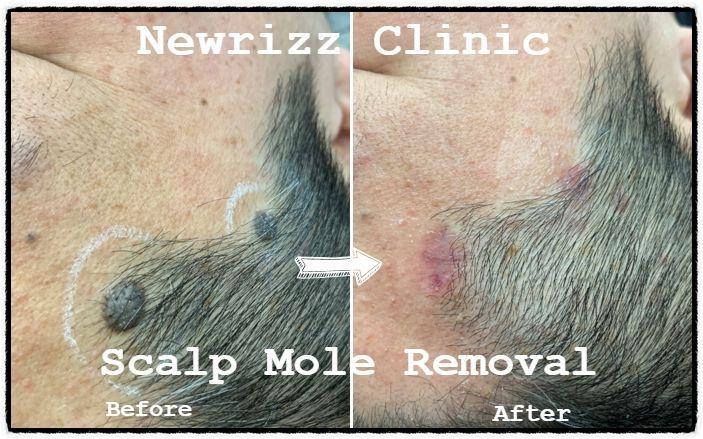
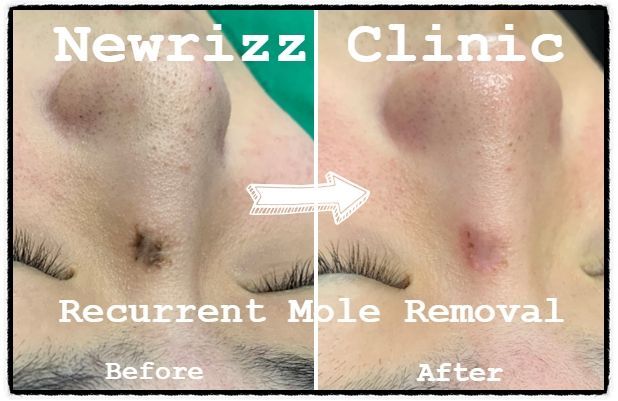
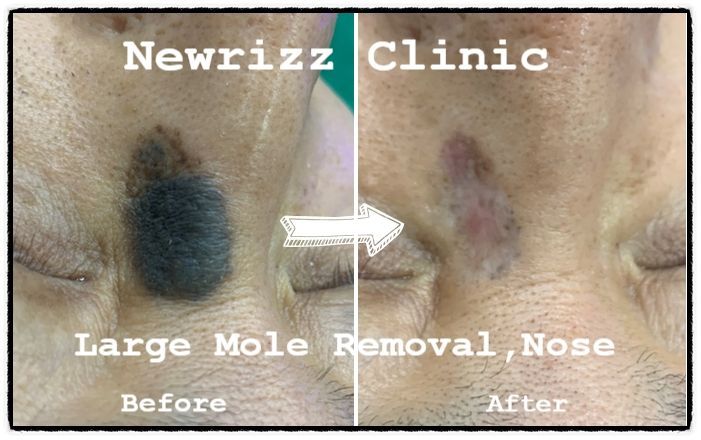
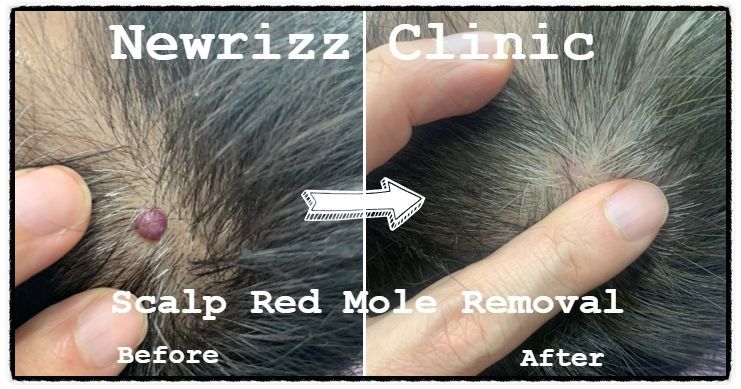
Can Suspicious Moles Be Removed?
Yes.
Depending on the clinical findings, a dermatologist may recommend:
- Monitoring
- Biopsy
- Complete removal
- Additional treatment if necessary
The treatment approach depends on the diagnosis and individual circumstances.
Why Early Detection Matters
When skin cancer is detected early, treatment is often simpler and more successful.
Routine skin examinations and prompt evaluation of suspicious lesions can play a critical role in maintaining long-term skin health.
Regular monitoring is especially important for individuals with multiple moles or known risk factors.
Final Thoughts
Most moles are harmless, but some can develop into skin cancer or show features that require medical evaluation. Warning signs such as asymmetry, irregular borders, color changes, bleeding, itching, or rapid growth should never be ignored.
If you notice a suspicious mole, consulting an experienced dermatologist is the safest way to obtain an accurate diagnosis and appropriate treatment. Early detection remains one of the most effective tools for protecting your skin health and ensuring the best possible outcomes.