Ear Mole Removal: Laser or Surgery?
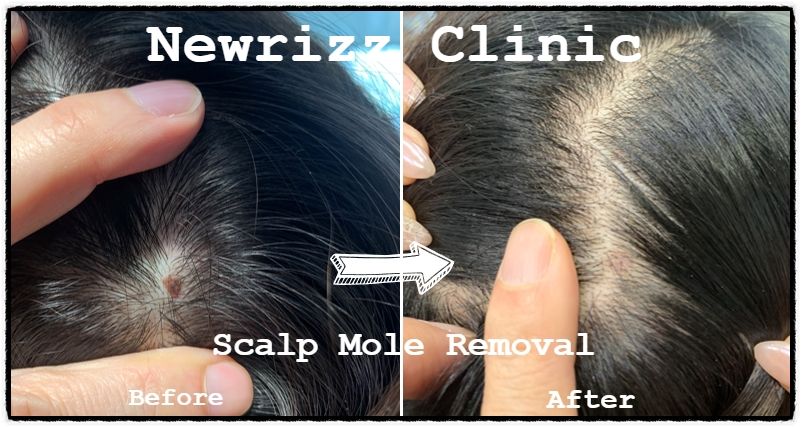
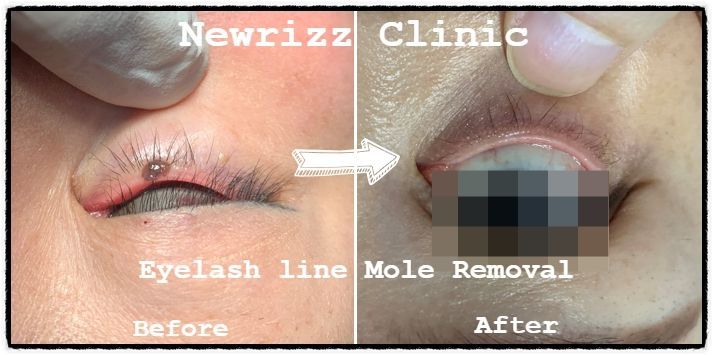
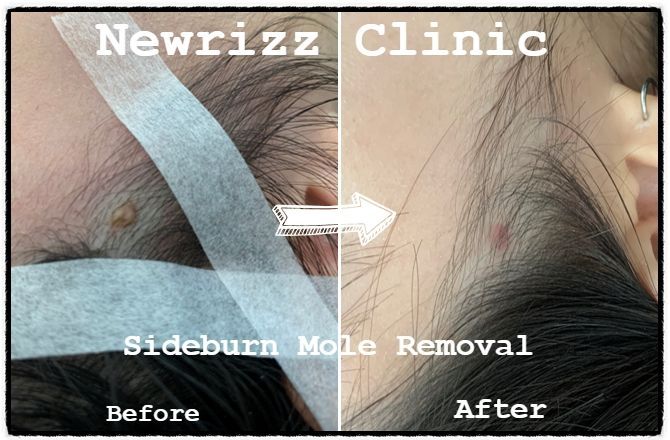
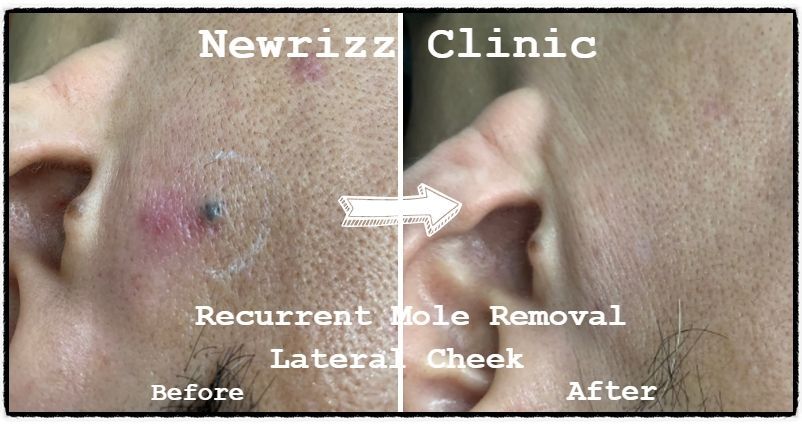
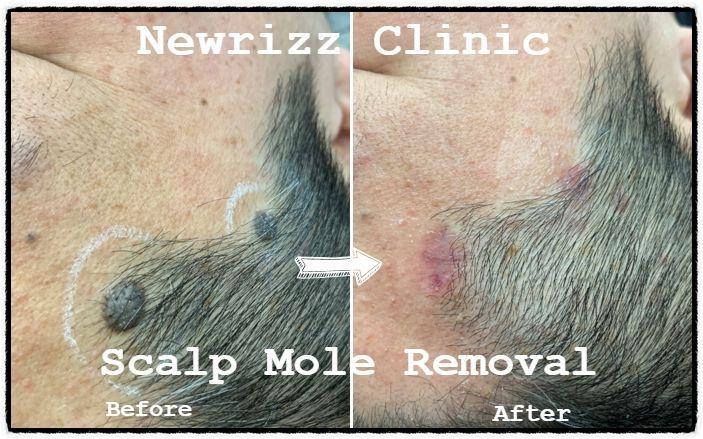
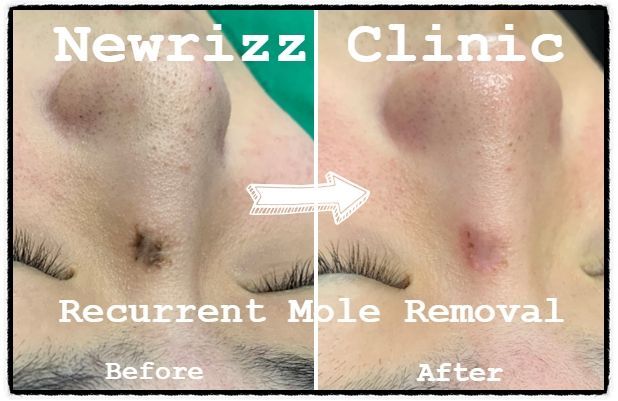
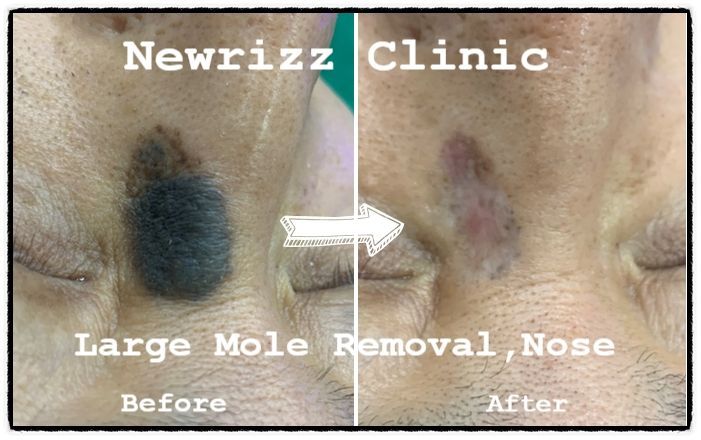
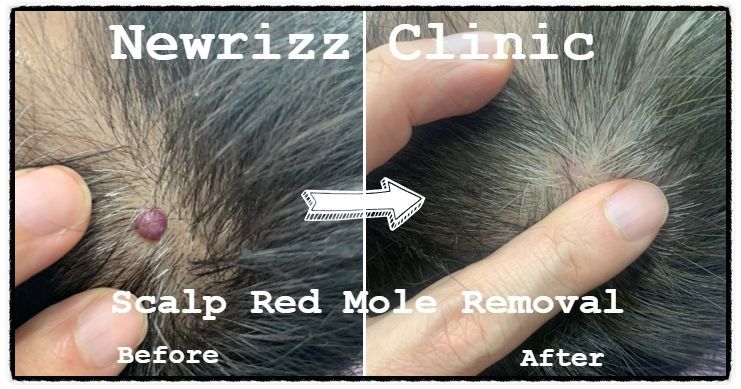
Ear mole removal can be performed using laser technology or surgical excision depending on the mole's size, depth, and location. Laser treatment is often preferred for smaller, superficial moles, while surgical excision may be recommended for larger, deeper, or suspicious lesions. Korean dermatology clinics use advanced techniques to achieve safe removal and minimize visible scarring.

Ear Mole Removal: Laser or Surgery?
Moles can develop anywhere on the body, including the ears. While ear moles are often harmless, many patients choose removal for cosmetic reasons, comfort, or concerns about changes in appearance.
Because the ears are highly visible and have unique contours, mole removal requires careful planning. Choosing between laser treatment and surgical excision depends on several factors, including the mole's characteristics and the patient's cosmetic goals.
Korean dermatology clinics frequently perform ear mole removal using advanced technologies designed to maximize results while minimizing downtime and scarring.
Why Do Patients Remove Ear Moles?
Patients commonly seek ear mole removal because:
- The mole is highly visible
- It affects appearance or confidence
- It becomes irritated by glasses or masks
- It catches during haircuts
- It interferes with earrings
- It has changed in size, shape, or color
- They want a smoother appearance
A dermatologist can determine whether the mole is suitable for cosmetic removal or requires further evaluation.
Common Locations for Ear Moles
Earlobe Moles
Moles on the earlobe are among the most common and are often removed for cosmetic reasons.
Outer Ear (Helix)
Moles along the outer rim of the ear may become irritated by glasses, hats, or headphones.
Behind the Ear
Although less visible, some patients remove these moles because of discomfort or hygiene concerns.
Inner Ear Fold Areas
Moles located within the folds of the ear require particularly precise treatment due to the complex anatomy.
Why Ear Mole Removal Requires Special Planning
The ear differs from other facial areas because:
- The skin is relatively thin
- Cartilage lies directly beneath the skin
- The ear has multiple curves and contours
- Scarring may be more noticeable on certain areas
- Healing must preserve the natural ear shape
For these reasons, treatment should be tailored to the individual mole and its location.
When Is Laser Mole Removal Recommended?
Laser treatment is often ideal for:
- Small moles
- Flat moles
- Superficial pigmented lesions
- Cosmetic mole removal
Advantages of Laser Mole Removal
- Minimal downtime
- No stitches
- Precise treatment
- Reduced disruption of surrounding tissue
- Excellent cosmetic outcomes
Laser treatment is particularly popular when the goal is minimizing visible scarring.
Limitations of Laser Treatment
Laser removal may not be ideal for:
- Large moles
- Deeply rooted lesions
- Congenital moles
- Suspicious lesions requiring pathology examination
In these situations, surgical excision may be a better option.
When Is Surgical Excision Recommended?
Surgical excision is often preferred for:
- Large ear moles
- Raised moles
- Deep lesions
- Recurrent moles
- Suspicious moles
Advantages of Surgical Excision
- Complete mole removal
- Lower recurrence risk
- Ability to perform biopsy and pathology testing
- Effective treatment for deep lesions
Limitations of Surgical Excision
- Stitches may be required
- Recovery may be slightly longer
- A linear scar may remain
However, careful surgical planning can often produce excellent cosmetic results.
Which Method Leaves Less Scarring?
For many patients, laser treatment produces less noticeable scarring because it removes tissue without creating a surgical incision.
However, scar visibility depends on:
- Mole size
- Mole depth
- Treatment method
- Individual healing characteristics
- Aftercare compliance
A large deep mole treated inadequately with laser therapy may ultimately produce a less favorable result than a carefully performed surgical excision.
Is Ear Mole Removal Painful?
Most patients experience minimal discomfort.
Before treatment, the area is numbed using:
- Topical anesthetic cream
- Local anesthesia
During treatment, patients may feel:
- Mild pressure
- Slight warmth
- Brief stinging from anesthesia
Significant pain is uncommon.
Recovery After Ear Mole Removal
Laser Recovery
Patients may experience:
- Mild redness
- Temporary scabbing
- Slight tenderness
Most superficial healing occurs within one to two weeks.
Surgical Recovery
Patients may experience:
- Mild swelling
- Sutures
- Temporary tenderness
Healing generally progresses over several weeks, while scar maturation continues for several months.
Can Ear Moles Grow Back?
Some moles may recur if mole cells remain beneath the skin.
Recurrence risk depends on:
- Mole depth
- Treatment method
- Individual skin characteristics
Surgical excision generally offers the lowest recurrence rate for deeper lesions.
How to Minimize Scarring
Follow Aftercare Instructions
Proper wound care is essential.
Avoid Picking Scabs
Allow natural healing to occur.
Protect the Area
Avoid unnecessary friction from headphones, glasses, or masks during recovery.
Attend Follow-Up Visits
Regular monitoring helps ensure optimal healing.
Why Patients Choose Korean Dermatology Clinics
Korean dermatology clinics are known for:
- Advanced laser technology
- Expertise in mole removal
- Scar-minimization techniques
- Personalized treatment planning
- Excellent cosmetic outcomes
- Foreigner-friendly services
Many international patients seek treatment in Seoul because of the high level of dermatologic expertise available.
Laser vs Surgery: Which Is Better?
There is no single answer for every patient.
Laser May Be Best For:
- Small moles
- Flat lesions
- Cosmetic-focused treatment
- Patients seeking minimal downtime
Surgery May Be Best For:
- Large moles
- Deep lesions
- Raised moles
- Suspicious moles
- Patients prioritizing complete removal
The best choice depends on the mole's characteristics and your treatment goals.
Final Thoughts
Ear mole removal can be performed safely and effectively using either laser technology or surgical excision. Laser treatment offers excellent cosmetic outcomes for many superficial lesions, while surgical excision provides more complete removal for larger or deeper moles.
A consultation with an experienced Korean dermatologist can determine which option is best for your specific mole, helping you achieve optimal cosmetic results while minimizing recurrence and scarring.