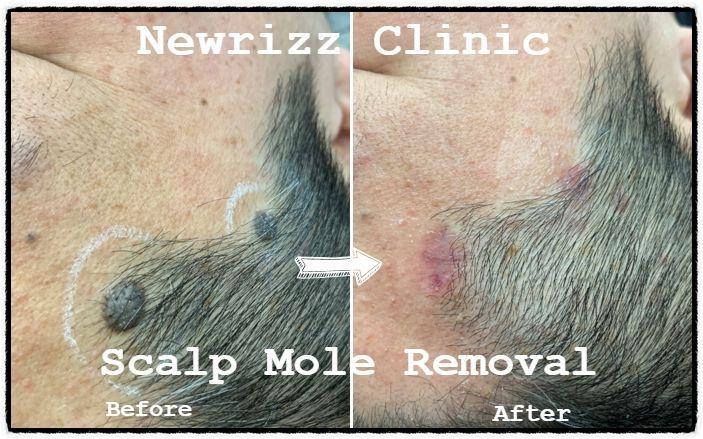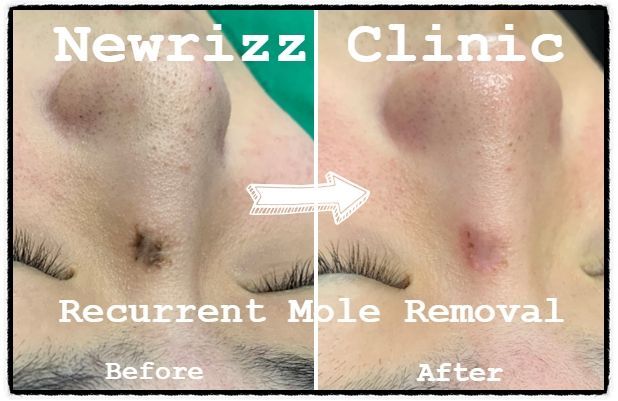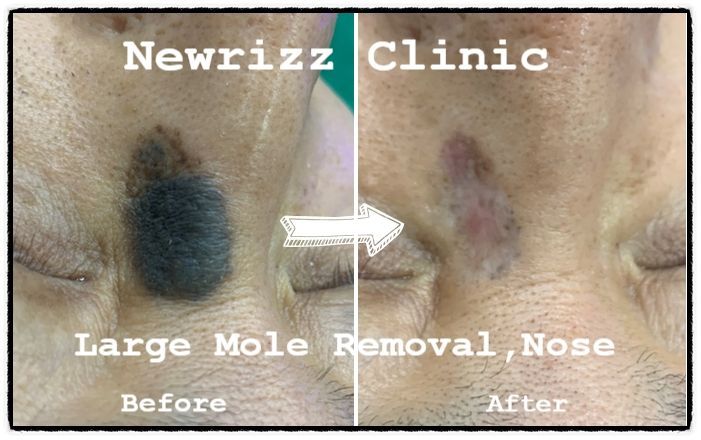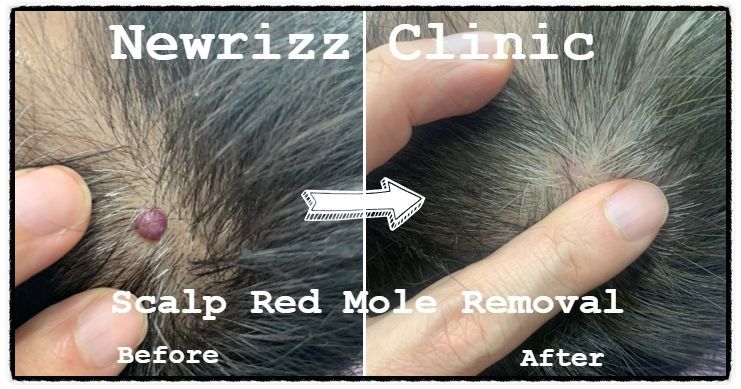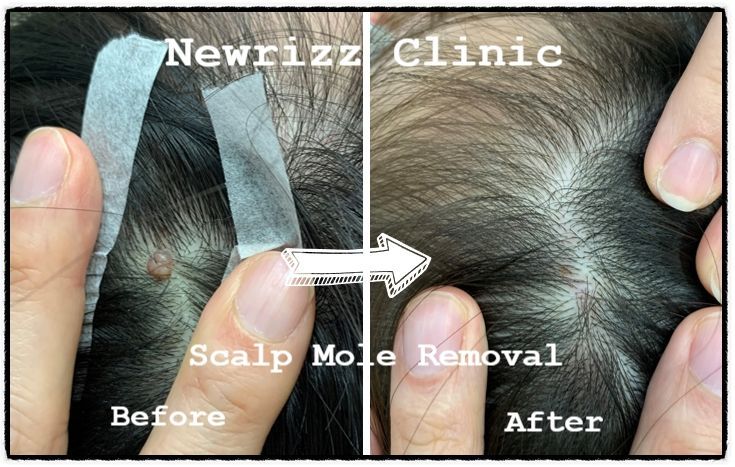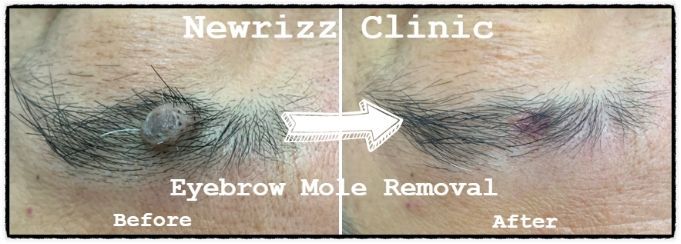
Can Moles Grow Back After Removal?
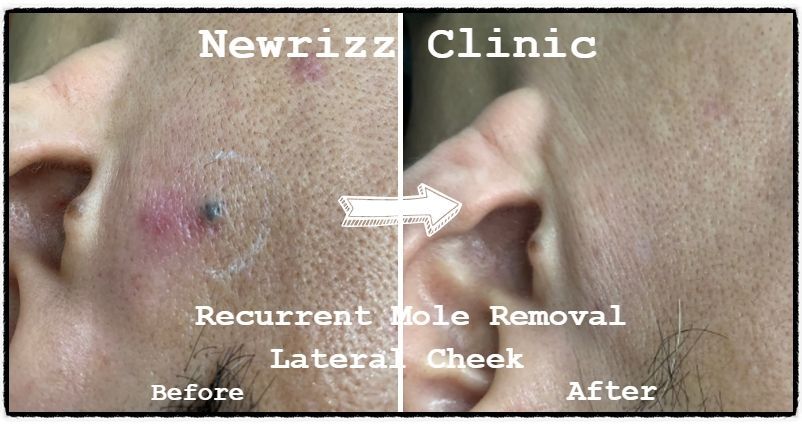
Yes, some moles can grow back after removal if deeper mole cells remain beneath the skin. The likelihood of recurrence depends on the mole type, depth, and removal method used. Korean dermatology clinics use advanced laser and surgical techniques to achieve effective mole removal while minimizing the risk of regrowth.

Can Moles Grow Back After Removal?
One of the most common questions patients ask before mole removal is whether the mole can return after treatment. While most moles can be removed successfully, some may partially reappear over time.
Understanding why mole recurrence happens can help patients set realistic expectations and choose the most appropriate treatment method. At Korean dermatology clinics, treatment plans are carefully customized to reduce the chance of recurrence while achieving the best cosmetic outcome.
Can a Mole Really Grow Back?
The short answer is yes.
A mole can return if some mole cells remain beneath the skin after treatment. These remaining cells may gradually produce pigment again, causing the mole to reappear months or even years later.
However, not every mole grows back. Many patients experience permanent removal, especially when the mole is completely eliminated.
Why Do Some Moles Return?
Deep Mole Cells Remain
Many moles extend deeper beneath the skin than they appear on the surface.
If only the visible portion of the mole is removed, deeper cells may remain and eventually regenerate pigment.
This is the most common reason for mole recurrence.
Cosmetic-Focused Removal
Some dermatologists intentionally perform conservative removal to minimize scarring, especially for facial moles.
While this approach can produce excellent cosmetic results, it may slightly increase the possibility of recurrence in deeper lesions.
Mole Type Matters
Certain mole types naturally extend deeper into the skin.
Raised moles, congenital moles, and intradermal nevi are often more likely to recur than small superficial pigmented moles.
Individual Healing Factors
Every patient's skin heals differently.
Genetics, skin type, age, and tissue regeneration can influence how the treated area recovers after mole removal.
Which Moles Are More Likely to Grow Back?
Raised Moles
Raised moles often contain deeper clusters of mole cells.
Because they extend below the skin surface, they may have a higher recurrence risk if not completely removed.
Large Moles
Larger moles may require more extensive treatment and can occasionally recur if deeper tissue remains.
Congenital Moles
Moles present from birth may extend deeper into the skin and sometimes require multiple treatments for complete removal.
Deep Pigmented Lesions
Some pigmented lesions reach deeper layers of the skin and may need specialized treatment techniques.
Does Laser Mole Removal Cause More Recurrence?
Not necessarily.
Modern laser mole removal can be highly effective when performed appropriately. However, recurrence depends largely on the depth of the mole rather than the treatment itself.
For superficial moles, laser treatment often achieves excellent long-term results.
For deeper moles, additional sessions or alternative removal methods may sometimes be recommended.
Is Surgical Excision More Permanent?
Surgical excision generally provides the lowest recurrence rate because the entire mole and surrounding tissue can be removed.
Benefits include:
- Complete removal of deeper mole cells
- Lower likelihood of regrowth
- Ability to examine tissue if needed
- Effective treatment for larger lesions
However, surgical excision may result in a more noticeable scar compared to laser treatment.
Your dermatologist will balance recurrence risk with cosmetic considerations when recommending treatment.
How Long Does It Take for a Mole to Grow Back?
If recurrence occurs, it usually develops gradually.
Patients may notice:
- A small dark spot reappearing
- Pigmentation returning within the treatment area
- Gradual darkening over months
- Slight elevation of the skin
In many cases, recurrence becomes noticeable several months after treatment rather than immediately.
What Should You Do If a Mole Returns?
If a mole appears to be growing back, it is important to schedule a follow-up evaluation.
A dermatologist can determine whether:
- Residual mole cells remain
- Additional treatment is needed
- The lesion is healing normally
- Further monitoring is appropriate
Many recurrent moles can be successfully treated with a second procedure.
How Korean Dermatology Clinics Reduce Recurrence
Experienced Korean dermatologists use several strategies to minimize recurrence:
Careful Mole Assessment
The depth and characteristics of the mole are evaluated before treatment.
Customized Removal Method
Different mole types require different techniques, including laser treatment, CO2 laser removal, or surgical excision.
Advanced Laser Technology
Modern devices allow for more precise targeting of mole tissue while minimizing damage to surrounding skin.
Follow-Up Monitoring
Patients are monitored after treatment to ensure proper healing and identify any early signs of recurrence.
Is Mole Recurrence Dangerous?
Most recurrent moles are harmless and simply represent remaining mole cells.
However, any new pigmentation, changes in appearance, or unusual skin lesions should be evaluated by a dermatologist.
Prompt assessment helps ensure accurate diagnosis and appropriate treatment if necessary.
Final Thoughts
Moles can sometimes grow back after removal, particularly if deeper mole cells remain beneath the skin. The risk of recurrence depends on the mole's depth, size, type, and removal technique. While no treatment can guarantee zero recurrence in every case, experienced Korean dermatology clinics use advanced technology and personalized treatment plans to achieve long-lasting results.
If a mole does return, additional treatment can often provide excellent cosmetic outcomes while maintaining healthy, clear-looking skin.