Raised Mole vs Flat Mole: Which Removal Method Is Best in Korea?
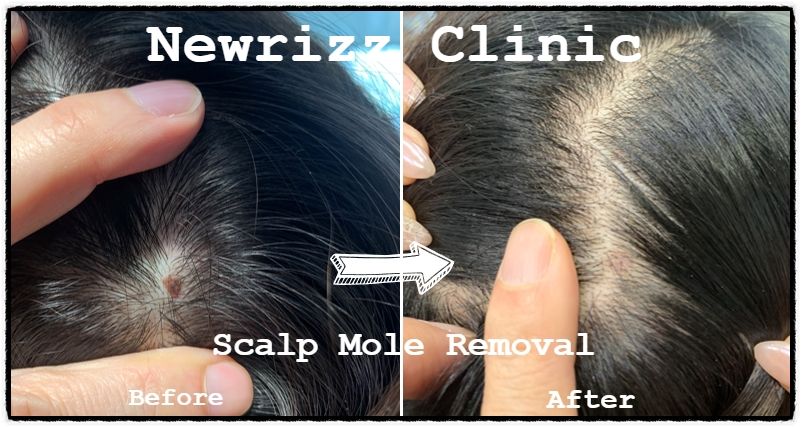
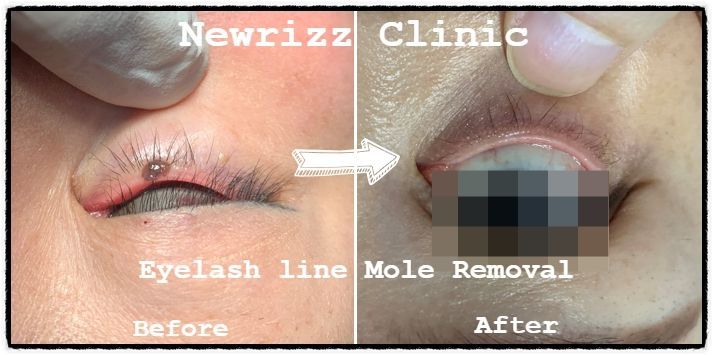
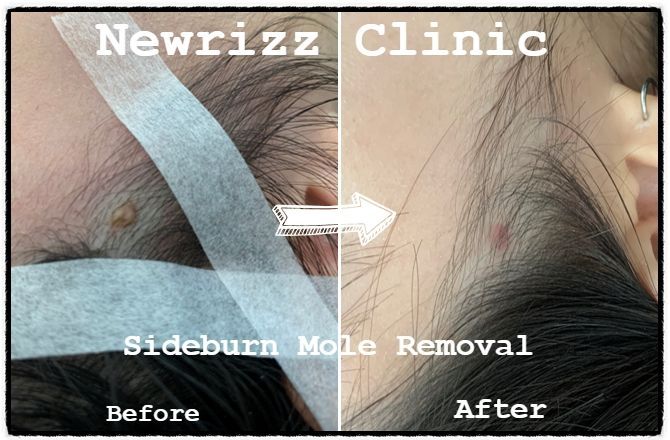
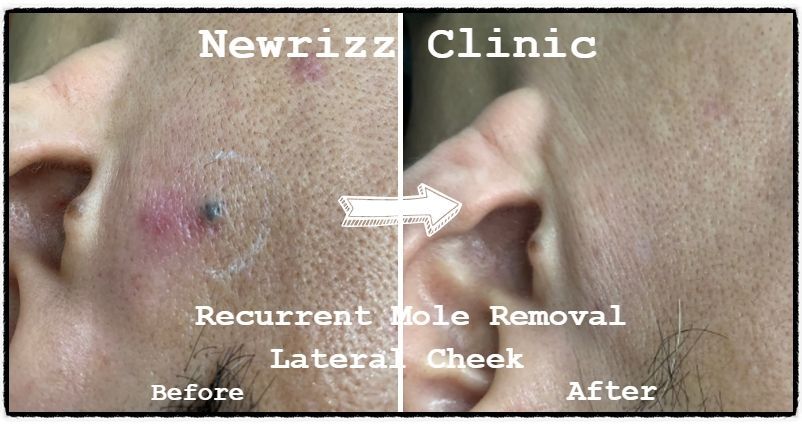
Raised moles and flat moles require different removal approaches depending on their size, depth, and location. Korean dermatology clinics use advanced laser and surgical techniques to achieve safe removal with minimal scarring. A dermatologist can recommend the most effective treatment based on the mole's characteristics and your cosmetic goals.

Raised Mole vs Flat Mole: Which Removal Method Is Best?
Moles are among the most common skin concerns treated at Korean dermatology clinics. While some moles are flat and blend into the skin, others are raised and protrude from the surface. Understanding the difference between raised and flat moles can help patients choose the most effective treatment and achieve the best cosmetic results.
Seoul has become a leading destination for mole removal thanks to advanced laser technology, experienced dermatologists, and customized treatment plans designed for different mole types.
What Is a Flat Mole?
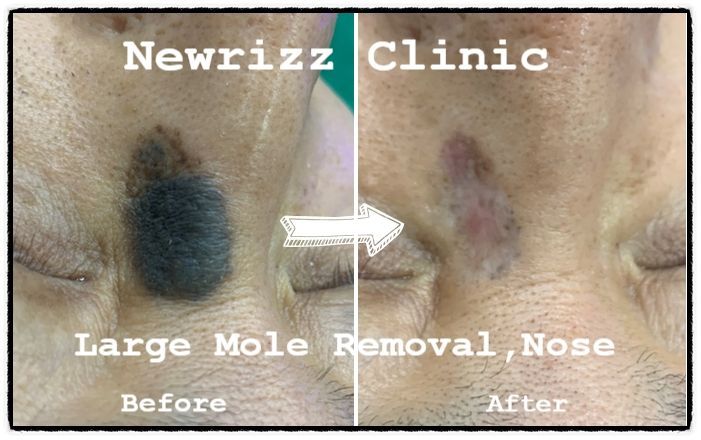
A flat mole is located primarily within the upper layers of the skin and does not protrude significantly above the skin surface.
Flat moles often appear as:
- Brown or dark spots
- Small pigmented lesions
- Smooth skin discoloration
- Evenly colored marks
- Facial beauty spots
Many flat moles are treated for cosmetic reasons, especially when they are located on visible areas such as the face, neck, or hands.
What Is a Raised Mole?
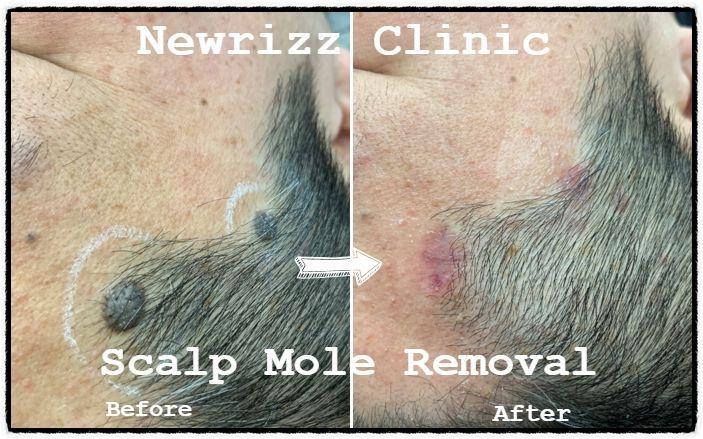
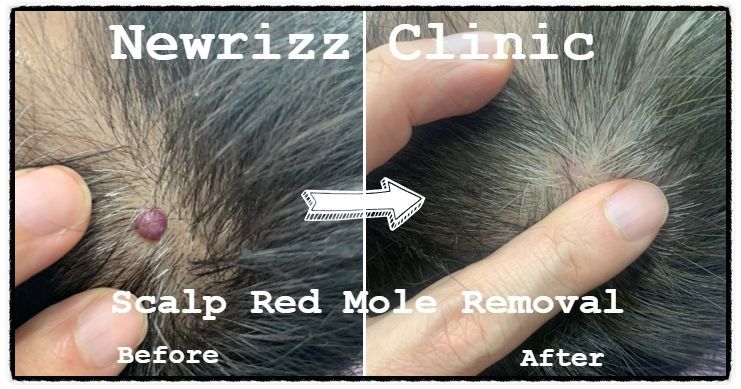
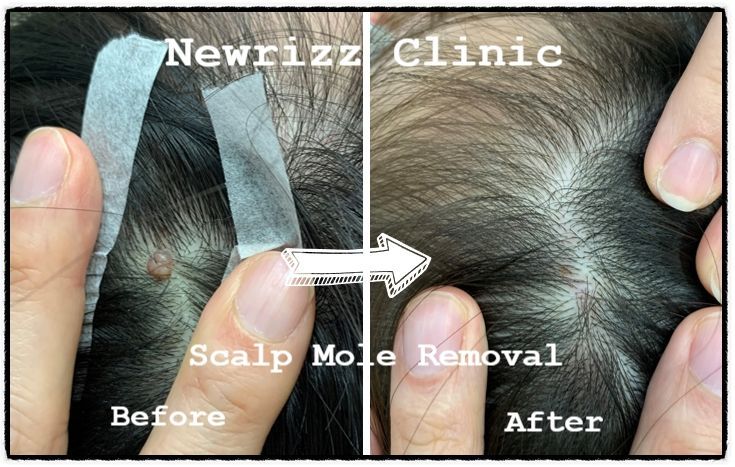
A raised mole extends above the skin surface and often contains deeper tissue components.
Raised moles may appear as:
- Dome-shaped bumps
- Skin-colored growths
- Brown or dark elevated lesions
- Soft protruding moles
- Larger cosmetic concerns
Because raised moles extend deeper into the skin, treatment approaches may differ from those used for flat moles.
Why the Difference Matters
The depth of the mole is one of the most important factors when determining the appropriate removal method.
Flat moles generally involve superficial pigment and may respond well to laser treatment.
Raised moles often contain deeper tissue structures that require more extensive removal techniques to reduce the risk of recurrence.
This is why a professional dermatologic evaluation is important before treatment.
Best Removal Method for Flat Moles
Laser Mole Removal
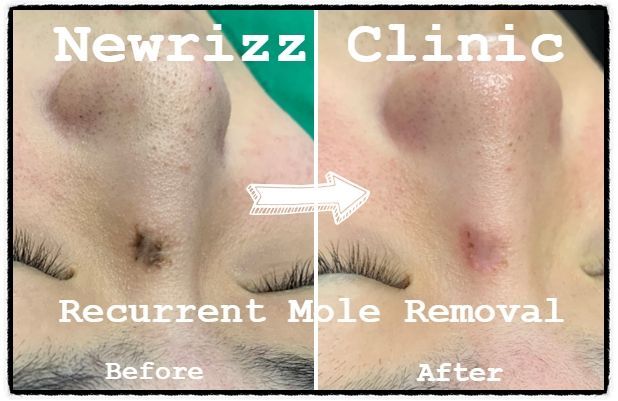
Laser treatment is commonly recommended for flat pigmented moles.
Benefits include:
- Precise treatment
- Minimal damage to surrounding skin
- Quick procedure time
- Fast recovery
- Excellent cosmetic outcomes
Many patients prefer laser treatment because it can effectively target pigment while minimizing visible scarring.
CO2 Laser for Shallow Lesions
Some flat moles may be treated using specialized CO2 laser technology to remove superficial tissue and pigmentation.
The exact method depends on the mole's depth and appearance.
Best Removal Method for Raised Moles
CO2 Laser Removal
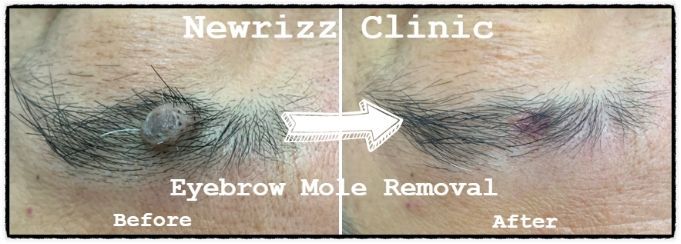
CO2 laser removal is frequently used for raised moles.
The laser carefully removes the elevated tissue layer by layer, allowing precise contouring of the skin.
This method is particularly popular for facial moles because it often provides excellent cosmetic results.
Surgical Excision
For larger or deeper raised moles, surgical excision may be recommended.
Benefits include:
- Complete removal
- Lower recurrence risk
- Ability to examine tissue if necessary
- Effective treatment for deep lesions
Your dermatologist will determine whether surgical removal is more appropriate than laser treatment.
Which Mole Type Is More Likely to Leave a Scar?
Scarring depends on multiple factors, including:
- Mole depth
- Mole size
- Removal method
- Individual healing characteristics
- Post-treatment care
Generally, deeper raised moles have a higher risk of visible scarring than small superficial flat moles because more tissue must be removed.
However, modern Korean dermatology techniques are designed to minimize scarring and optimize cosmetic outcomes.
Which Mole Type Is More Likely to Return?
Mole recurrence usually occurs when deeper mole cells remain after treatment.
Raised moles often extend deeper into the skin and therefore may have a slightly higher chance of recurrence if not completely removed.
Flat moles are often easier to remove completely when they are limited to superficial layers.
An experienced dermatologist can determine the depth of the lesion and recommend the most appropriate treatment strategy.
Recovery After Mole Removal
Recovery is generally straightforward for both mole types.
Patients may experience:
- Mild redness
- Temporary scabbing
- Slight swelling
- Gradual healing
Most small facial moles heal within one to two weeks, while deeper lesions may require a longer recovery period.
Sun protection is particularly important during healing to minimize post-inflammatory pigmentation.
Why Patients Choose Korean Dermatology Clinics
Korean dermatology clinics are known for:
- Advanced laser technology
- Experienced skin specialists
- Customized treatment plans
- Minimal downtime procedures
- Natural cosmetic results
- Foreigner-friendly services
Many international patients visit Seoul specifically for mole removal because of the combination of expertise, technology, and affordability.
Final Thoughts
Both raised moles and flat moles can be removed safely and effectively, but the ideal treatment method depends on the mole's depth, size, and location. Flat moles often respond well to laser treatments, while raised moles may require CO2 laser removal or surgical excision for optimal results.
A consultation with an experienced Korean dermatologist can help determine the best approach, ensuring safe treatment, minimal scarring, and natural-looking skin after recovery.