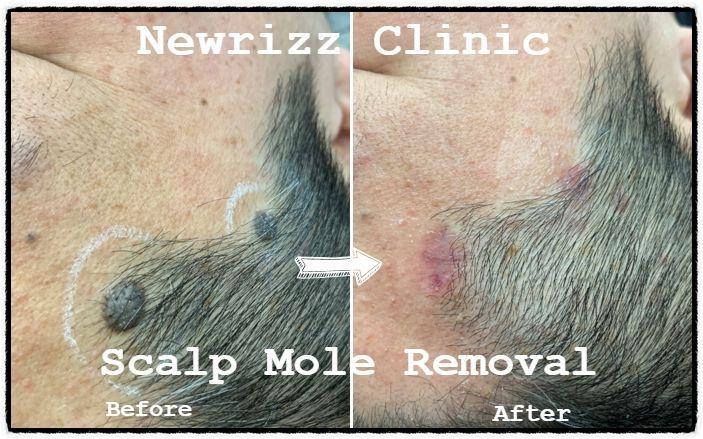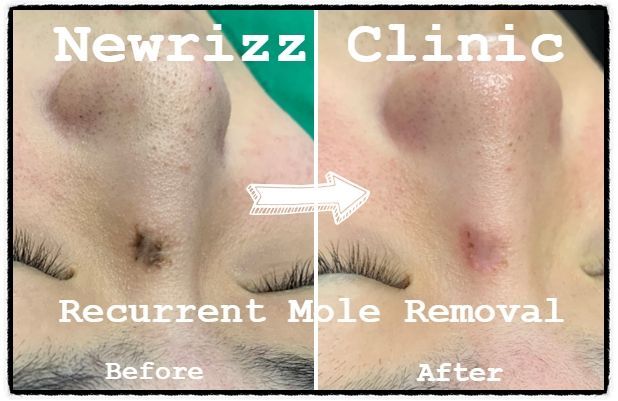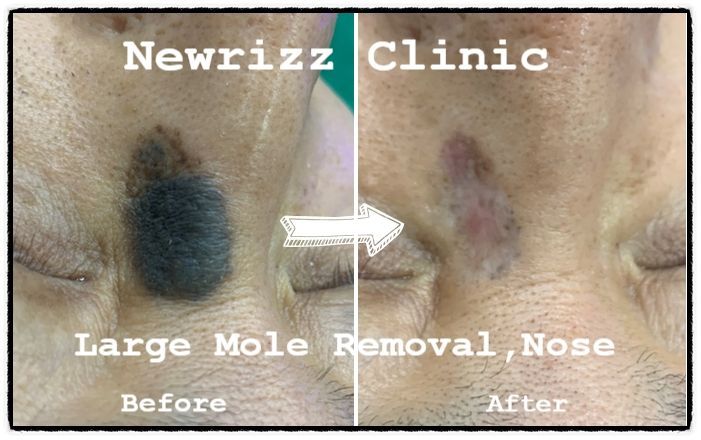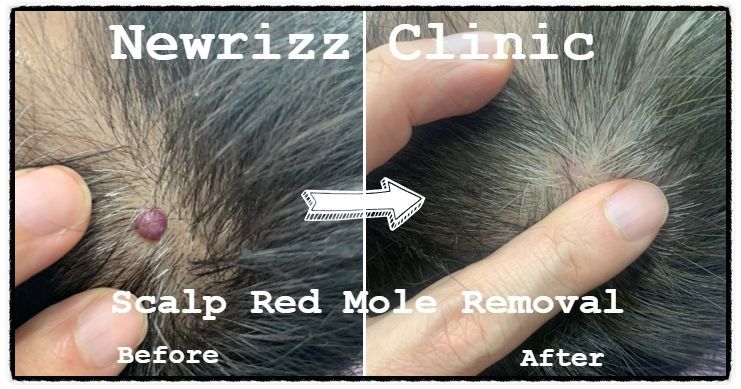
Common Skin Lesions Mistaken for Moles
Not every dark spot or raised bump on the skin is a mole. Many common skin lesions, including skin tags, seborrheic keratoses, epidermoid cysts, and warts, can resemble moles and lead to self-misdiagnosis. A dermatologist can accurately identify these lesions and recommend the most appropriate treatment when needed.

Common Skin Lesions Mistaken for Moles
Many patients discover a new spot or bump on their skin and immediately assume it is a mole. However, dermatologists frequently diagnose a variety of skin conditions that can closely resemble moles but have completely different causes and treatment requirements.
Because some benign lesions can look surprisingly similar to moles—and because certain skin cancers can mimic both—professional evaluation is often the best way to obtain an accurate diagnosis.
Korean dermatology clinics routinely assess pigmented lesions and skin growths using advanced diagnostic tools to distinguish moles from other common skin conditions.
Why Skin Lesions Are Often Misidentified
Several skin growths share characteristics commonly associated with moles.
These features may include:
- Brown pigmentation
- Raised appearance
- Round shape
- Slow growth
- Facial location
- Smooth or rough surfaces
Without specialized examination, distinguishing among these lesions can be challenging.
Seborrheic Keratosis
One of the most commonly misdiagnosed lesions is seborrheic keratosis.
What It Looks Like
Seborrheic keratoses often appear:
- Brown or dark in color
- Raised above the skin
- Waxy in texture
- Rough or thickened
- "Stuck-on" in appearance
How It Differs from a Mole
Unlike moles, seborrheic keratoses originate from the outer layers of the skin rather than pigment-producing cells.
They often have a more textured surface than typical moles.
Skin Tags
Skin tags are small, benign growths that commonly develop in areas of friction.
Common Features
Skin tags are:
- Soft
- Flesh-colored
- Attached by a thin stalk
- Movable
- Non-pigmented in most cases
Why They Are Confused with Moles
Raised flesh-colored moles can closely resemble skin tags, particularly on the neck, eyelids, and underarms.
Epidermoid Cysts
Epidermoid cysts are benign sacs located beneath the skin.
Typical Appearance
They often appear as:
- Round bumps
- Flesh-colored nodules
- Smooth lesions
- Firm but movable lumps
Key Difference
Unlike moles, cysts develop beneath the skin and contain keratin rather than pigment-producing cells.
Warts
Warts are caused by human papillomavirus (HPV) infection.
Common Characteristics
Warts may be:
- Raised
- Rough
- Thickened
- Flesh-colored
- Brownish in appearance
Why They Are Mistaken for Moles
Certain facial warts can closely resemble raised moles, particularly when they are small and pigmented.
Dermatosis Papulosa Nigra (DPN)
Dermatosis papulosa nigra is a benign condition commonly seen in individuals with darker skin tones.
Appearance
DPN lesions often appear as:
- Small dark bumps
- Multiple pigmented growths
- Smooth raised papules
Similarity to Moles
Because of their pigmentation and size, they are frequently mistaken for moles.
Fibrous Papules
Fibrous papules are benign growths commonly found on the face.
Typical Features
They are usually:
- Skin-colored
- Dome-shaped
- Firm
- Small in size
Common Location
Most frequently found on the nose and central face.
They may resemble flesh-colored moles.
Sebaceous Hyperplasia
Sebaceous hyperplasia occurs when oil glands become enlarged.
Appearance
These lesions often appear:
- Yellowish
- Slightly raised
- Soft
- Rounded
Why They Cause Confusion
Patients often mistake them for moles, especially when they develop on the forehead or cheeks.
Milia
Milia are tiny keratin-filled cysts that develop beneath the skin.
Characteristics
They are:
- White or yellow
- Small and firm
- Common around the eyes
- Superficial
Although less commonly mistaken for pigmented moles, raised milia can sometimes be confused with small skin growths.
Lentigines (Age Spots)
Lentigines are pigmented spots caused by sun exposure.
Appearance
They often appear:
- Flat
- Brown
- Well-defined
- Uniform in color
Difference from Moles
Unlike moles, lentigines do not involve clusters of melanocytes and are typically related to cumulative UV exposure.
Congenital Birthmarks
Certain birthmarks may resemble moles.
Examples include:
- Congenital melanocytic nevi
- Café-au-lait spots
- Pigmented birthmarks
Professional evaluation helps determine the exact diagnosis.
Skin Cancer That May Look Like a Mole
Not all mole-like lesions are benign.
Certain skin cancers can resemble common moles.
Examples include:
Melanoma
May appear as:
- A changing mole
- An irregular pigmented lesion
- A new dark spot
Basal Cell Carcinoma
Can occasionally mimic flesh-colored moles.
Pigmented Skin Cancers
Some malignant lesions may closely resemble benign pigmented growths.
This is one reason why self-diagnosis is not always reliable.
Warning Signs That Require Evaluation
You should consider seeing a dermatologist if a lesion:
- Changes in size
- Changes in color
- Develops irregular borders
- Bleeds
- Itches persistently
- Becomes painful
- Grows rapidly
- Looks significantly different from other lesions
These symptoms do not necessarily indicate cancer but warrant professional assessment.
How Dermatologists Identify Mole-Like Lesions
Clinical Examination
Visual inspection remains an important first step.
Dermoscopy
A dermatoscope allows magnified examination of pigment patterns and skin structures.
Digital Monitoring
Photographs may be used to monitor changes over time.
Biopsy
If the diagnosis remains uncertain, a biopsy may be performed to obtain a definitive answer.
Treatment Depends on the Diagnosis
Because different lesions have different causes, treatment varies significantly.
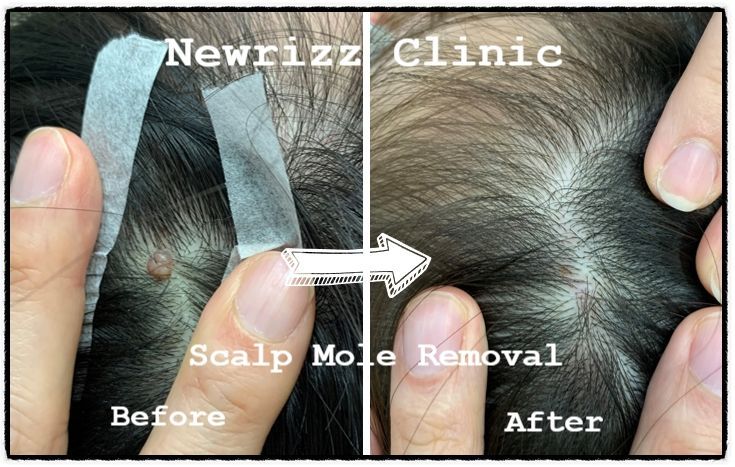
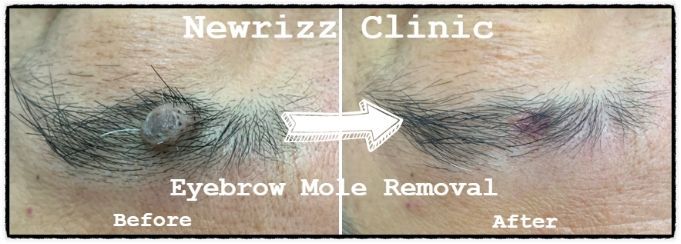
Mole Treatments
- Laser mole removal
- CO2 laser removal
- Surgical excision
Skin Tag Treatments
- Snip removal
- Electrocautery
- Laser treatment
Wart Treatments
- Cryotherapy
- Laser therapy
- Electrocautery
Cyst Treatments
- Surgical removal
- Drainage in selected cases
Accurate diagnosis is essential before treatment begins.
Why Patients Choose Korean Dermatology Clinics
Korean dermatology clinics are recognized for:
- Advanced diagnostic technology
- Expertise in pigmented lesions
- Accurate skin lesion identification
- Cosmetic-focused treatment options
- Scar-minimization techniques
- Foreigner-friendly services
Many international patients seek mole evaluation and cosmetic lesion removal while visiting Korea.
Final Thoughts
Not every skin lesion that resembles a mole is actually a mole. Common conditions such as seborrheic keratoses, skin tags, epidermoid cysts, warts, fibrous papules, and lentigines can all mimic the appearance of moles. While most of these lesions are harmless, some skin cancers can also resemble benign growths.
If you notice a new, changing, or unusual skin lesion, a professional dermatologic evaluation is the most reliable way to obtain an accurate diagnosis and determine whether treatment is necessary.