Birthmarks vs Moles: Understanding the Difference
Birthmarks and moles are common skin markings, but they differ in when they appear, how they develop, and their underlying causes. Birthmarks are usually present at birth or shortly afterward, while moles often develop later during childhood or adulthood. Understanding the differences can help patients determine when evaluation or treatment may be appropriate.

Birthmarks vs Moles: Understanding the Difference
Many people use the terms "birthmark" and "mole" interchangeably, but they are not the same condition. Although both can appear as colored spots or raised lesions on the skin, they differ in origin, appearance, and timing of development.
Most birthmarks and moles are harmless. However, understanding their characteristics can help patients recognize normal skin findings and identify situations where professional dermatologic evaluation may be beneficial.
Korean dermatology clinics commonly evaluate and treat both birthmarks and moles using advanced diagnostic and cosmetic treatment techniques.
What Is a Birthmark?
A birthmark is a skin lesion that is present at birth or develops shortly after birth.
Birthmarks occur due to abnormalities involving:
- Pigment-producing cells
- Blood vessels
- Skin development
Some birthmarks remain stable throughout life, while others fade or change over time.
What Is a Mole?
A mole, also known as a nevus, is a collection of melanocytes, the cells responsible for producing skin pigment.
Moles may:
- Develop during childhood
- Appear during adolescence
- Form during adulthood
- Remain stable for many years
Most moles are benign and require no treatment unless cosmetic concerns or medical evaluation arise.
The Main Difference Between Birthmarks and Moles
The biggest difference is timing.
Birthmarks
Usually present:
- At birth
- Within the first weeks of life
Moles
Usually develop:
- During childhood
- During adolescence
- Throughout adulthood
Although some congenital moles are present at birth, most moles appear later in life.
Types of Birthmarks
Birthmarks generally fall into two major categories.
Pigmented Birthmarks
These occur because of excess pigment in the skin.
Examples include:
- Congenital melanocytic nevi
- Café-au-lait spots
- Mongolian spots
Vascular Birthmarks
These develop from blood vessel abnormalities.
Examples include:
- Hemangiomas
- Port-wine stains
- Salmon patches
Each type has distinct characteristics and treatment considerations.
Types of Moles
Common Acquired Moles
The most frequently encountered type.
Congenital Moles
Present at birth and technically considered both a birthmark and a mole.
Intradermal Nevi
Raised, flesh-colored moles located deeper within the skin.
Junctional Nevi
Flat pigmented moles located near the skin surface.
Compound Nevi
Moles containing cells in both superficial and deeper skin layers.
Appearance: Birthmark vs Mole
Birthmarks
Birthmarks may appear as:
- Flat colored patches
- Red vascular lesions
- Brown pigmented spots
- Blue-gray discoloration
- Raised vascular growths
Appearance varies significantly depending on the type.
Moles
Moles commonly appear as:
- Brown spots
- Black spots
- Pink lesions
- Flesh-colored bumps
- Flat or raised growths
Most moles are relatively uniform in appearance.
Color Differences
Birthmarks
May be:
- Red
- Pink
- Brown
- Tan
- Blue-gray
- Purple
Moles
Usually appear:
- Brown
- Dark brown
- Black
- Pink
- Flesh-colored
Do Birthmarks Change Over Time?
Some birthmarks remain stable throughout life.
Others may:
- Fade
- Darken
- Become less noticeable
- Grow proportionally with the body
For example, many infant hemangiomas naturally shrink over time.
Do Moles Change Over Time?
Moles can change gradually throughout life.
Common changes include:
- Slight enlargement
- Increased elevation
- Color variation with age
However, sudden or significant changes should always be evaluated by a dermatologist.
Can Birthmarks Become Cancerous?
Most birthmarks are completely benign.
However, certain large congenital melanocytic nevi may require periodic monitoring depending on their size and characteristics.
A dermatologist can assess whether ongoing observation is appropriate.
Can Moles Become Cancerous?
Most moles remain benign.
However, some moles can develop abnormal features or resemble melanoma.
Warning signs include:
- Asymmetry
- Irregular borders
- Multiple colors
- Rapid growth
- Bleeding
- Persistent itching
Any changing mole should be professionally evaluated.
How Dermatologists Diagnose Birthmarks and Moles
Clinical Examination
The dermatologist evaluates appearance, size, and location.
Dermoscopy
A specialized device allows detailed examination of pigment patterns and skin structures.
Digital Monitoring
Photographs may be used to track changes over time.
Biopsy
In rare cases, a biopsy may be recommended when the diagnosis is uncertain.
Treatment Options for Birthmarks
Treatment depends on the birthmark type.
Laser Therapy
Commonly used for vascular birthmarks and certain pigmented lesions.
Observation
Many birthmarks do not require treatment.
Surgical Removal
Selected lesions may benefit from surgical excision.
Treatment Options for Moles
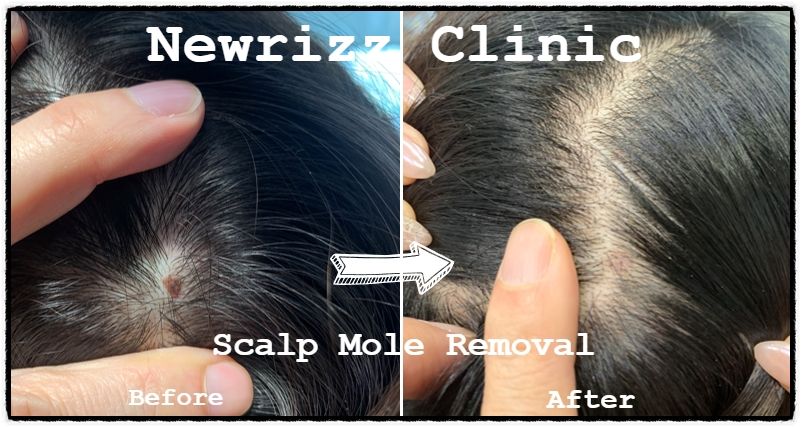
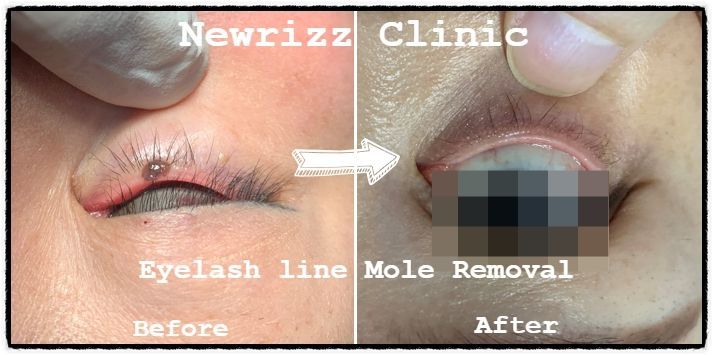
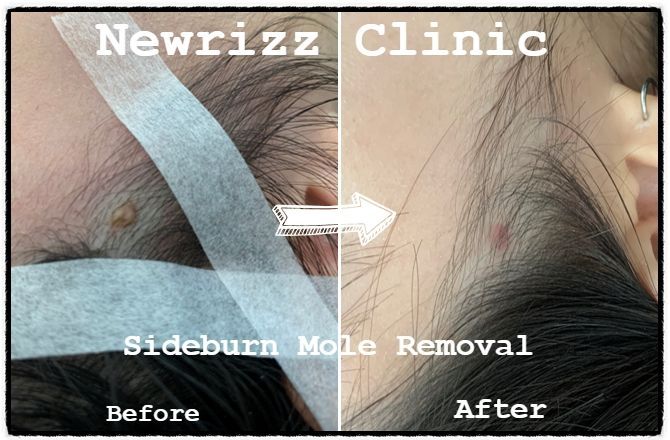
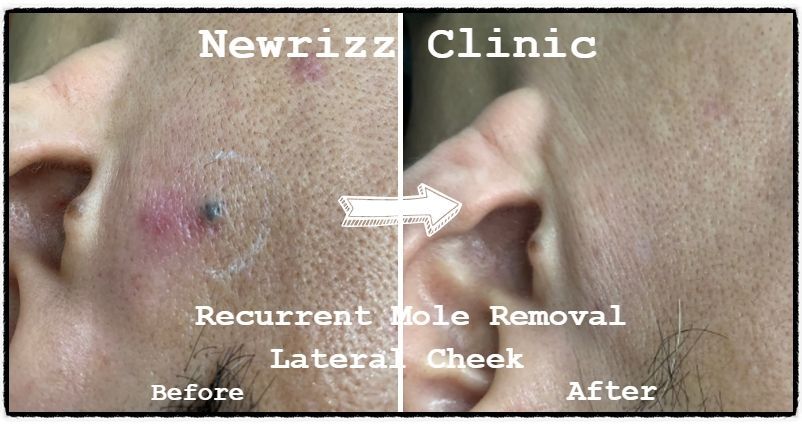
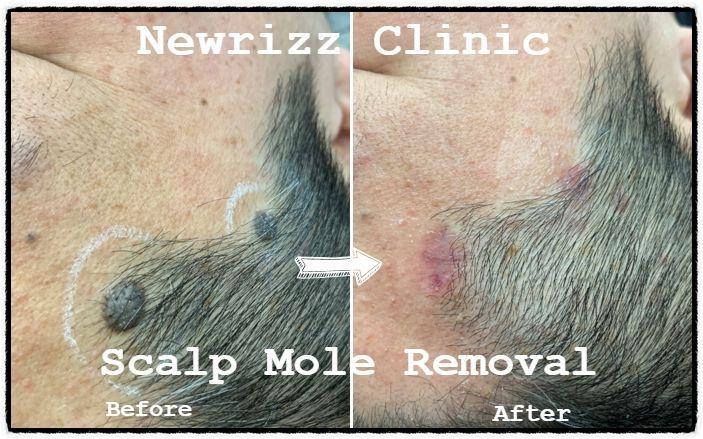
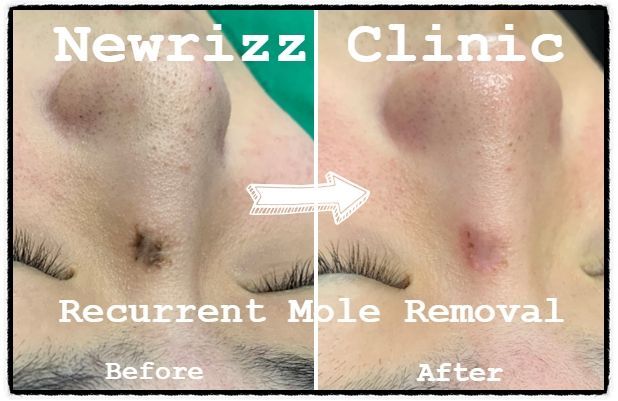
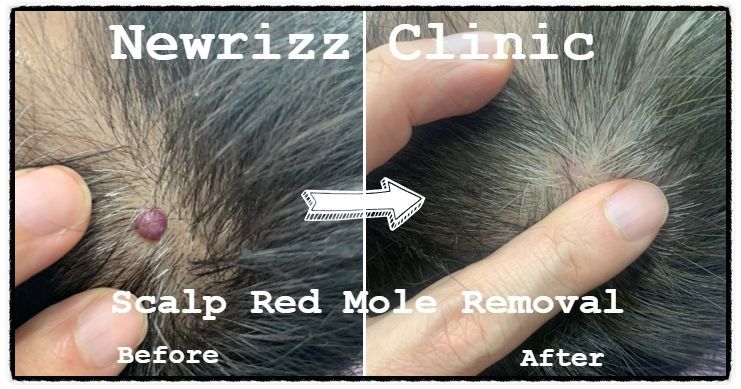
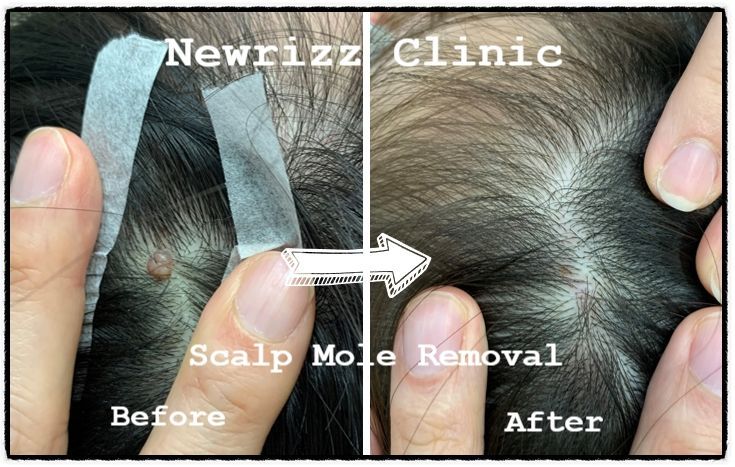
Laser Mole Removal
Often used for superficial cosmetic moles.
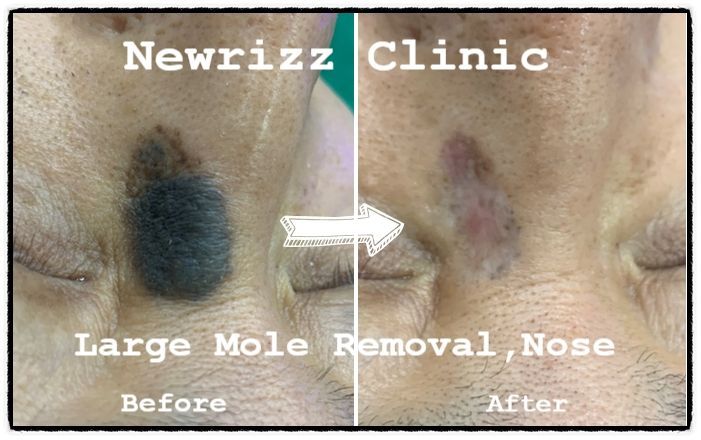
CO2 Laser Removal
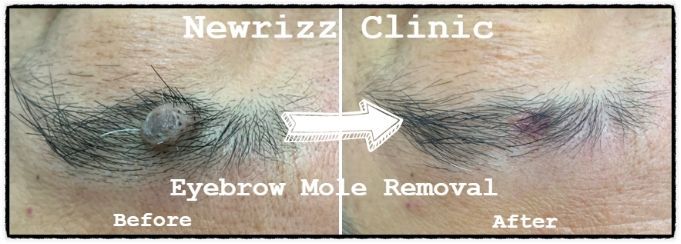
Frequently recommended for raised moles.
Surgical Excision
Appropriate for large, deep, or suspicious lesions.
When Should You See a Dermatologist?
Consider professional evaluation if a birthmark or mole:
- Changes rapidly
- Becomes painful
- Bleeds
- Develops irregular borders
- Changes color significantly
- Continues enlarging unexpectedly
- Causes cosmetic concerns
Regular monitoring can help identify important changes early.
Why Patients Choose Korean Dermatology Clinics
Korean dermatology clinics are known for:
- Advanced diagnostic technology
- Expertise in pigmented lesions
- Laser treatment options
- Scar-minimization techniques
- Cosmetic-focused care
- Foreigner-friendly services
Many international patients seek consultation for both birthmarks and moles while visiting Korea.
Final Thoughts
Although birthmarks and moles can sometimes look similar, they differ in origin, timing, and development. Birthmarks are typically present at birth or shortly afterward, while most moles develop later during life. Both are usually harmless, but changes in appearance or symptoms should never be ignored.
If you are unsure whether a skin lesion is a birthmark or a mole, a consultation with an experienced dermatologist can provide an accurate diagnosis and help determine whether monitoring or treatment is appropriate.