Mole vs Skin Tag: How to Tell the Difference
Moles and skin tags are both common skin growths, but they differ in appearance, structure, and treatment. Moles are made of pigment-producing cells and can be flat or raised, while skin tags are soft, flesh-colored growths that often develop in areas of friction. Understanding the differences can help patients determine when professional evaluation may be necessary.

Mole vs Skin Tag: How to Tell the Difference
Many people notice small growths on their skin and wonder whether they are moles or skin tags. While both are usually harmless, they are different conditions with distinct characteristics, causes, and treatment options.
Because moles and skin tags can occasionally appear similar, professional evaluation may be helpful when the diagnosis is unclear or when a lesion changes over time.
Korean dermatology clinics frequently diagnose and remove both moles and skin tags using advanced cosmetic dermatology techniques.
What Is a Mole?
A mole, also called a nevus, is a collection of pigment-producing cells known as melanocytes.
Moles can:
- Be flat or raised
- Appear brown, black, tan, pink, or skin-colored
- Develop during childhood or adulthood
- Occur anywhere on the body
Most moles are benign and remain stable throughout life.
What Is a Skin Tag?
A skin tag is a small, soft growth that hangs from the skin.
Skin tags are:
- Non-cancerous
- Usually flesh-colored
- Soft and movable
- Attached by a thin stalk
- Common in adults
Unlike moles, skin tags are not made of pigment-producing cells.
Appearance: Mole vs Skin Tag
Mole
Moles typically:
- Have a broad base
- May be flat or raised
- Can be pigmented
- Often have a round or oval shape
- Blend directly into the skin
Skin Tag
Skin tags often:
- Hang from the skin
- Have a narrow stalk
- Feel soft and flexible
- Are flesh-colored or slightly darker
- Move easily when touched
The stalk-like attachment is one of the easiest ways to distinguish a skin tag from a mole.
Common Colors
Mole Colors
Moles may appear:
- Brown
- Dark brown
- Black
- Tan
- Pink
- Skin-colored
Skin Tag Colors
Skin tags are usually:
- Flesh-colored
- Light brown
- Slightly darker than surrounding skin
Strong pigmentation is generally more common in moles.
Common Locations for Moles
Moles can develop almost anywhere, including:
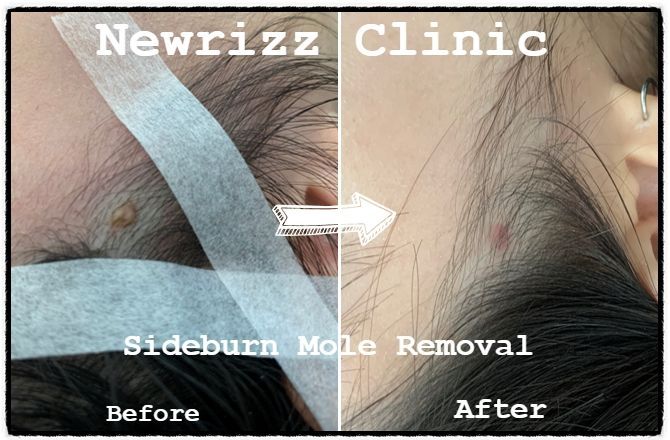
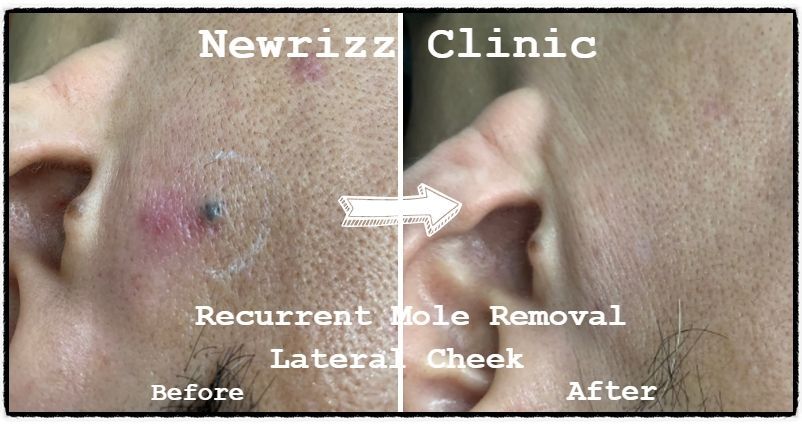
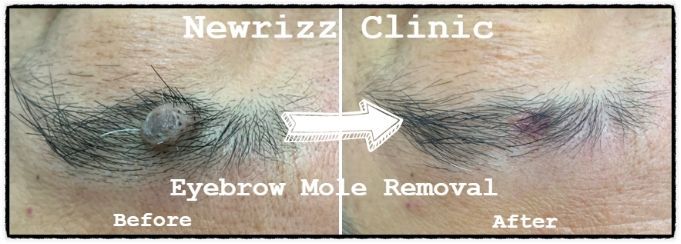
- Face
- Neck
- Arms
- Legs
- Back
- Chest
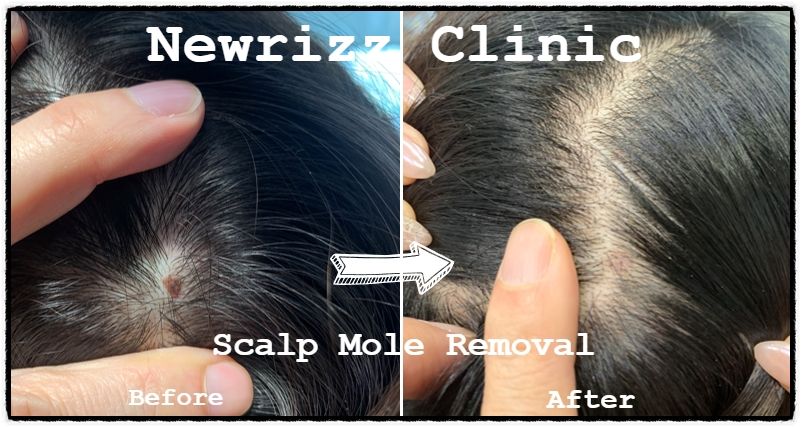
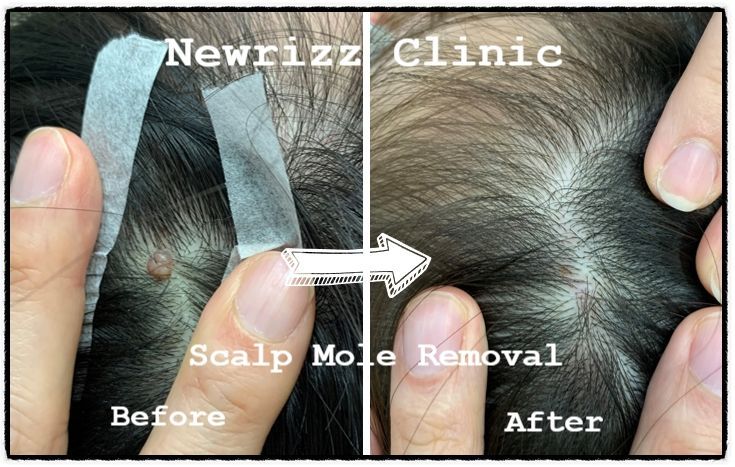
- Scalp
Some people have dozens of moles distributed across the body.
Common Locations for Skin Tags
Skin tags frequently develop in areas where skin rubs against skin or clothing.
Common locations include:
- Neck
- Armpits
- Groin
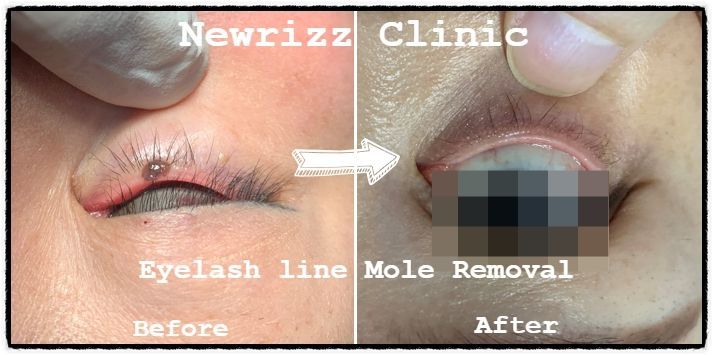
- Eyelids
- Under the breasts
- Inner thighs
Friction is believed to contribute to their development.
What Causes Moles?
Several factors influence mole development.
Genetics
Family history plays a significant role.
Sun Exposure
Ultraviolet exposure can affect mole formation and pigmentation.
Hormonal Changes
Hormonal fluctuations may influence the appearance of moles.
What Causes Skin Tags?
Skin tags are associated with:
Friction
Repeated skin rubbing may contribute to growth.
Aging
Skin tags become more common with age.
Weight Changes
Areas with increased skin folds may be more prone to skin tags.
Genetic Factors
Some individuals are naturally more likely to develop skin tags.
Can Moles Become Cancerous?
Most moles are harmless.
However, some moles can develop abnormal features or resemble melanoma.
Warning signs include:
- Asymmetry
- Irregular borders
- Multiple colors
- Rapid growth
- Bleeding
- Persistent itching
Any changing mole should be evaluated by a dermatologist.
Can Skin Tags Become Cancerous?
Skin tags are generally considered benign.
Unlike moles, skin tags are not typically associated with melanoma.
However, any unusual skin growth should be professionally assessed if:
- It changes rapidly
- Bleeds frequently
- Becomes painful
- Has an uncertain diagnosis
When Should You See a Dermatologist?
You should seek professional evaluation if a growth:
- Changes in size
- Changes in color
- Bleeds
- Itches persistently
- Becomes painful
- Has irregular borders
- Appears suddenly and grows rapidly
A dermatologist can accurately determine whether the lesion is a mole, skin tag, or another skin condition.
Treatment Options for Moles
Treatment depends on the mole's characteristics.
Common options include:
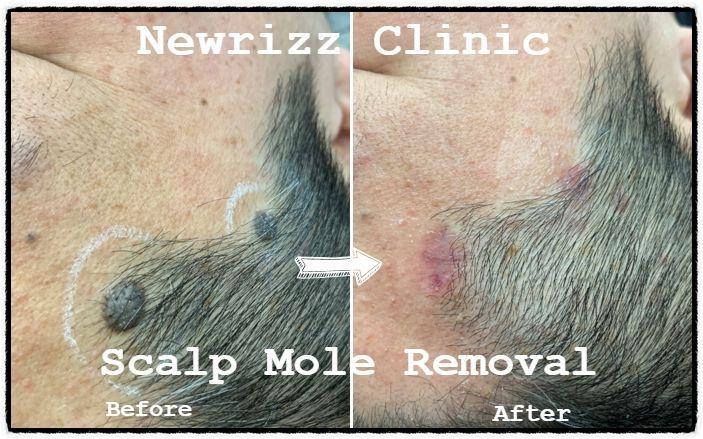
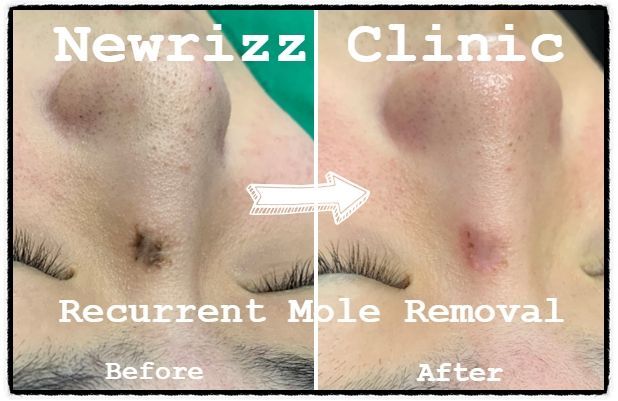
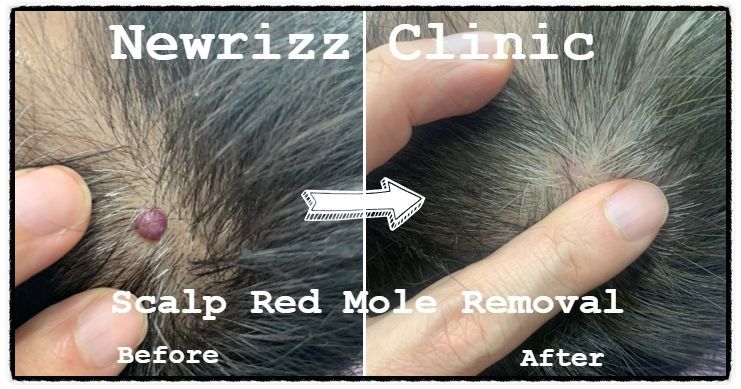
Laser Mole Removal
Often used for small or superficial moles.
CO2 Laser Removal
Frequently recommended for raised moles.
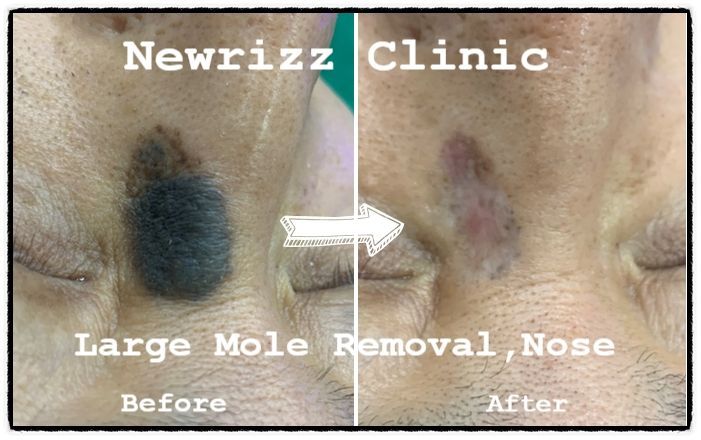
Surgical Excision
May be appropriate for large, deep, or suspicious lesions.
Treatment Options for Skin Tags
Skin tags are usually easy to remove.
Common treatments include:
Snip Removal
The skin tag is carefully removed under local anesthesia.
Electrocautery
Heat energy is used to remove the lesion.
Laser Removal
Certain skin tags can be treated with laser technology.
Most procedures are quick and involve minimal downtime.
Recovery After Removal
Both mole and skin tag removal typically involve:
- Mild redness
- Temporary tenderness
- Small scab formation
- Gradual healing
Most patients resume normal activities immediately after treatment.
Why Patients Choose Korean Dermatology Clinics
Korean dermatology clinics are known for:
- Advanced laser systems
- Cosmetic-focused treatment
- Accurate diagnosis
- Scar-minimization techniques
- Experienced dermatologists
- Foreigner-friendly services
Many international patients seek treatment for both moles and skin tags while visiting Korea.
Final Thoughts
Moles and skin tags are common skin growths, but they have distinct differences. Moles arise from pigment-producing cells and may be flat or raised, while skin tags are soft, flesh-colored growths that usually develop in areas of friction. Although both are generally harmless, any changing or unusual lesion should be evaluated by a dermatologist.
If you are unsure whether a growth is a mole or a skin tag, a professional skin examination can provide an accurate diagnosis and help determine whether treatment is appropriate.