Mole vs Wart: Which Treatment Do You Need?
Moles and warts are common skin growths, but they have very different causes and treatment approaches. Moles are collections of pigment-producing cells, while warts are caused by a viral infection known as human papillomavirus (HPV). Understanding the differences can help patients seek the most appropriate dermatologic evaluation and treatment.

Mole vs Wart: Which Treatment Do You Need?
Many people discover a new skin growth and immediately wonder whether it is a mole or a wart. Although these lesions can sometimes appear similar at first glance, they are fundamentally different conditions that require different treatment strategies.
Accurate diagnosis is important because the best treatment for a mole is often very different from the best treatment for a wart. Korean dermatology clinics regularly evaluate both conditions and offer advanced treatment options tailored to the specific type of lesion.
What Is a Mole?
A mole, also known as a nevus, develops when pigment-producing cells called melanocytes cluster together within the skin.
Moles can:
- Be flat or raised
- Appear brown, black, tan, pink, or skin-colored
- Develop during childhood or adulthood
- Remain stable for many years
Most moles are harmless and require treatment only for cosmetic reasons or when medical evaluation is needed.
What Is a Wart?
A wart is a skin growth caused by infection with the human papillomavirus (HPV).
Unlike moles, warts are contagious and can spread through direct skin contact or contaminated surfaces.
Warts may:
- Appear rough or thickened
- Develop on the hands, feet, face, or body
- Increase in number over time
- Spread to nearby skin
Because warts are caused by a virus, treatment focuses on eliminating infected tissue.
Appearance: Mole vs Wart
Mole
Moles usually:
- Have a smooth surface
- Are round or oval
- Have well-defined borders
- May be flat or slightly raised
- Have consistent pigmentation
Wart
Warts often:
- Have a rough texture
- Feel firm or thickened
- Appear irregular in shape
- Have a cauliflower-like surface
- Contain tiny black dots in some cases
Texture is often one of the easiest ways to distinguish a wart from a mole.
Color Differences
Mole Colors
Moles commonly appear:
- Brown
- Dark brown
- Black
- Tan
- Pink
- Flesh-colored
Wart Colors
Warts are often:
- Skin-colored
- Light brown
- Grayish
- Slightly yellow
They are generally less pigmented than many moles.
Common Locations for Moles
Moles can develop almost anywhere on the body, including:
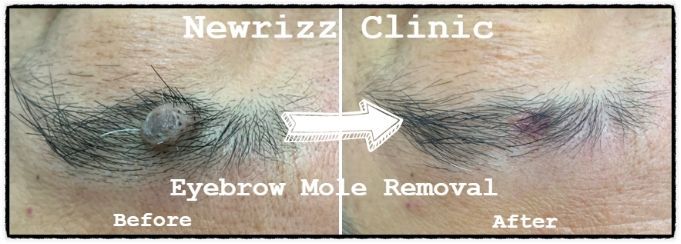
- Face
- Neck
- Chest
- Back
- Arms
- Legs
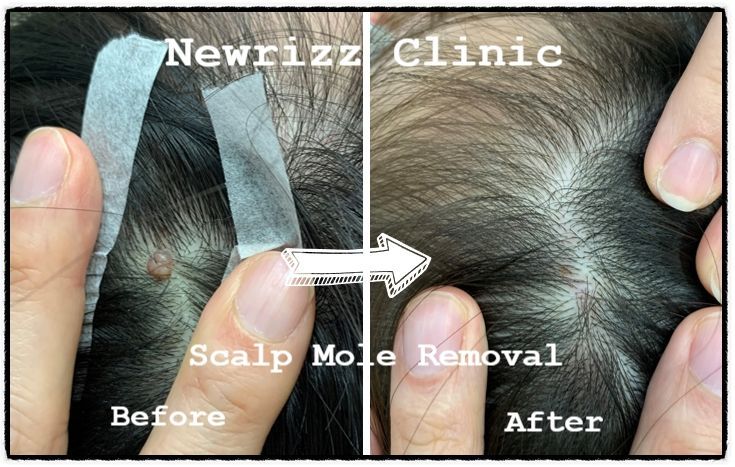
- Scalp
They are often distributed throughout multiple areas.
Common Locations for Warts
Warts commonly develop on:
- Fingers
- Hands
- Feet
- Knees
- Face
- Around the nails
Certain types of HPV are associated with specific wart locations.
Causes: Mole vs Wart
Causes of Moles
Moles are influenced by:
- Genetics
- Sun exposure
- Hormonal changes
- Natural skin development
They are not contagious.
Causes of Warts
Warts result from:
- Human papillomavirus (HPV) infection
- Direct skin contact
- Shared surfaces
- Small breaks in the skin
Unlike moles, warts can spread from person to person.
Can Moles Spread?
No.
Moles do not spread through contact.
While new moles can develop over time, they are not contagious.
Can Warts Spread?
Yes.
Warts can spread:
- To nearby skin
- To other areas of the body
- Through direct contact
- Through contaminated objects
This is one reason why early treatment is often recommended.
Can a Mole Become Cancerous?
Most moles remain benign throughout life.
However, dermatologists recommend evaluation if a mole develops:
- Asymmetry
- Irregular borders
- Multiple colors
- Rapid growth
- Bleeding
- Persistent itching
Any changing mole should be examined by a dermatologist.
Are Warts Cancerous?
Most common warts are benign.
However, some skin cancers can occasionally resemble warts, which is why persistent or unusual lesions should be professionally evaluated.
A dermatologist can distinguish between a wart, mole, and other skin conditions.
Treatment Options for Moles
Treatment depends on the mole's characteristics.
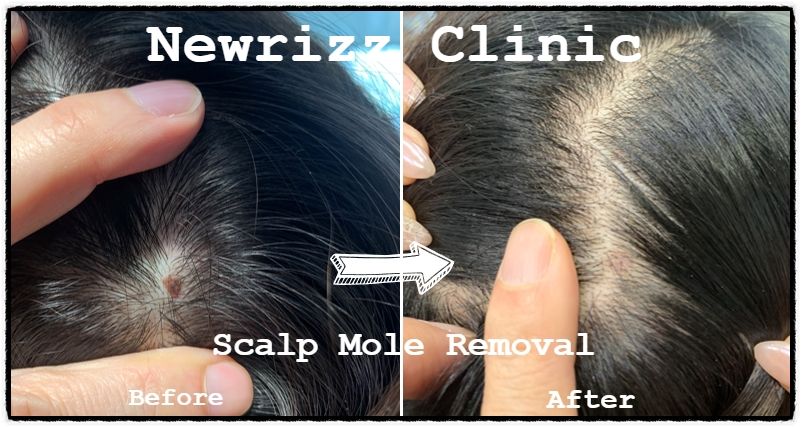
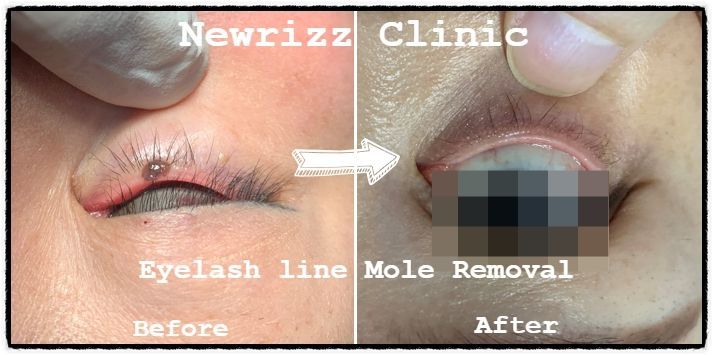
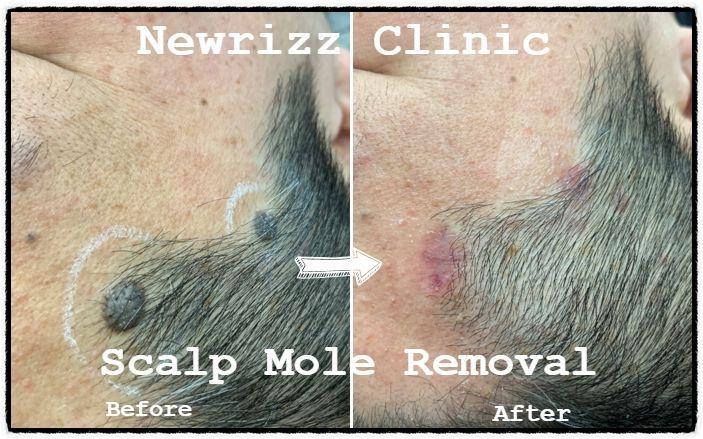
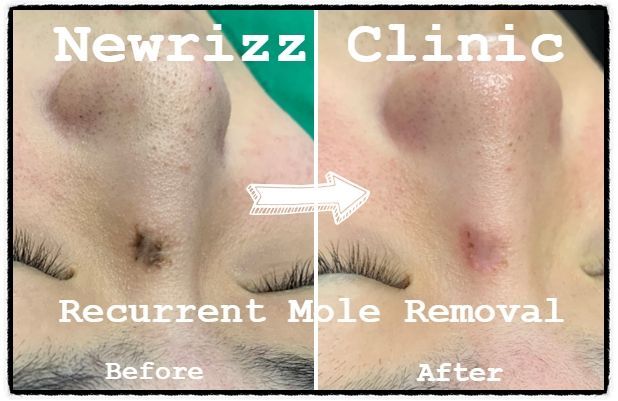
Laser Mole Removal
Often used for:
- Small moles
- Flat pigmented lesions
- Cosmetic removal
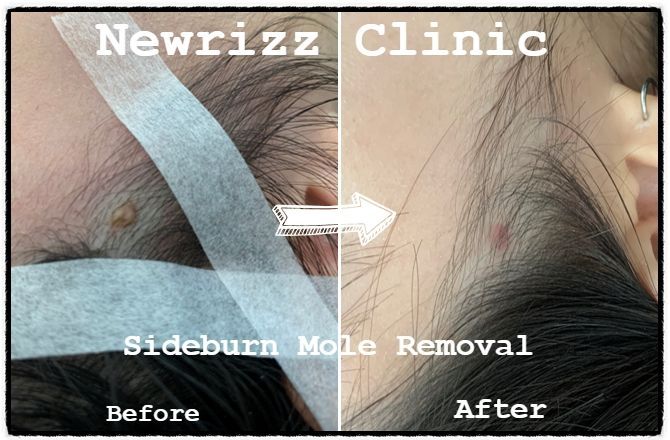
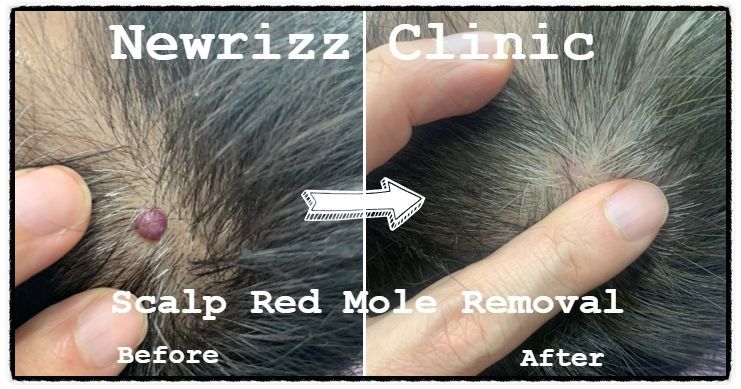
CO2 Laser Removal
Frequently recommended for:
- Raised moles
- Dome-shaped lesions
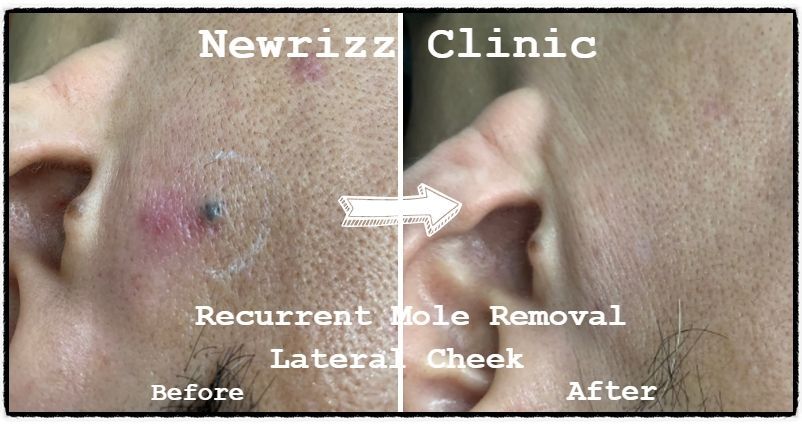
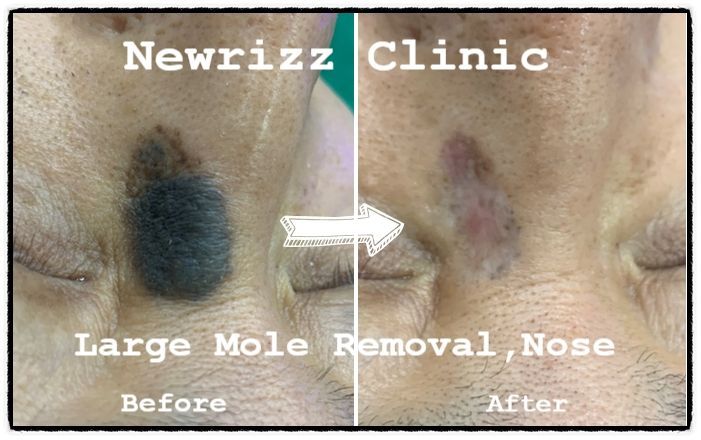
Surgical Excision
May be appropriate for:
- Large moles
- Deep lesions
- Suspicious moles requiring biopsy
Treatment Options for Warts
Because warts are caused by HPV, treatment focuses on removing infected tissue.
Cryotherapy
Liquid nitrogen freezes the wart.
Laser Treatment
Laser energy destroys wart tissue and blood supply.
Electrocautery
Heat energy is used to remove the lesion.
Topical Treatments
Certain medicated treatments may help eliminate wart tissue.
Multiple sessions are sometimes necessary because warts can recur.
Recovery After Treatment
Mole Removal Recovery
Patients may experience:
- Mild redness
- Small scabs
- Temporary tenderness
- Gradual healing over one to two weeks
Wart Removal Recovery
Patients may experience:
- Mild swelling
- Temporary blistering
- Small treatment sites
- Gradual healing over several days to weeks
Recovery varies depending on the treatment method.
When Should You See a Dermatologist?
Schedule an evaluation if a lesion:
- Changes rapidly
- Bleeds
- Becomes painful
- Continues growing
- Develops irregular pigmentation
- Recurs after treatment
- Has an uncertain diagnosis
Accurate diagnosis is essential before selecting treatment.
Why Korean Dermatology Clinics Are Popular
Korean dermatology clinics offer:
- Advanced laser technology
- Accurate skin lesion diagnosis
- Personalized treatment planning
- Scar-minimization techniques
- Experienced dermatologists
- Foreigner-friendly services
Many patients choose Korean clinics for both cosmetic mole removal and wart treatment because of the combination of expertise and technology.
Final Thoughts
Although moles and warts may occasionally appear similar, they are very different conditions. Moles are collections of pigment-producing cells, while warts are caused by HPV infection. Because each condition requires a different treatment approach, accurate diagnosis is the first step toward successful treatment.
If you notice a new or changing skin growth, consulting a dermatologist can help determine whether the lesion is a mole, wart, or another skin condition and ensure you receive the most appropriate care.