Laser Scar Treatment After Mole Removal Korea | Jamsil NewRizz Skin Clinic
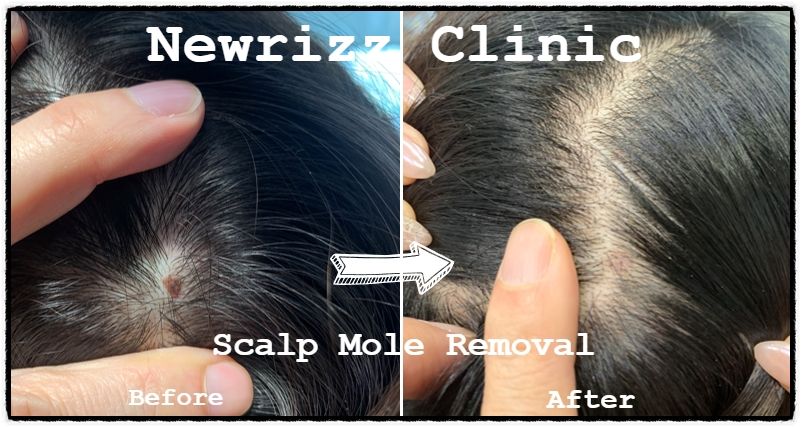
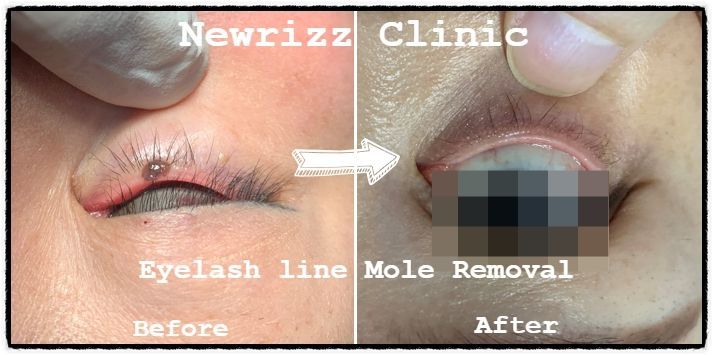
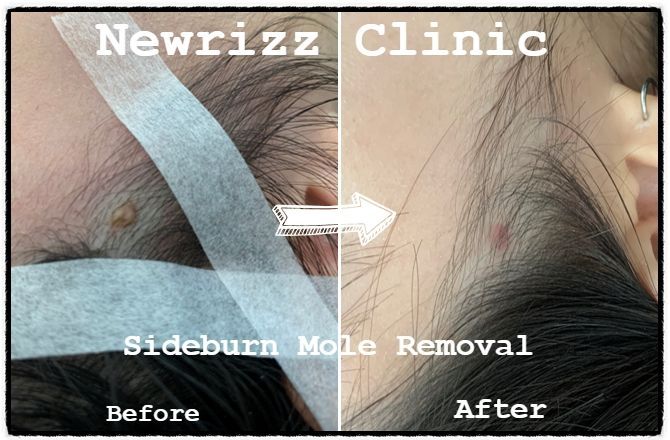
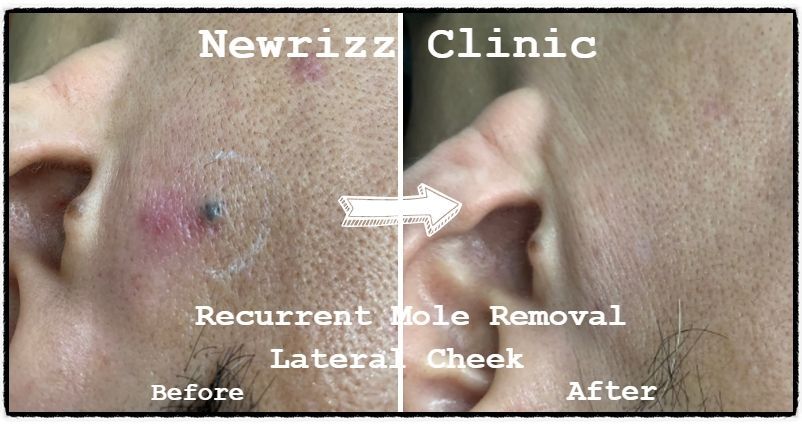
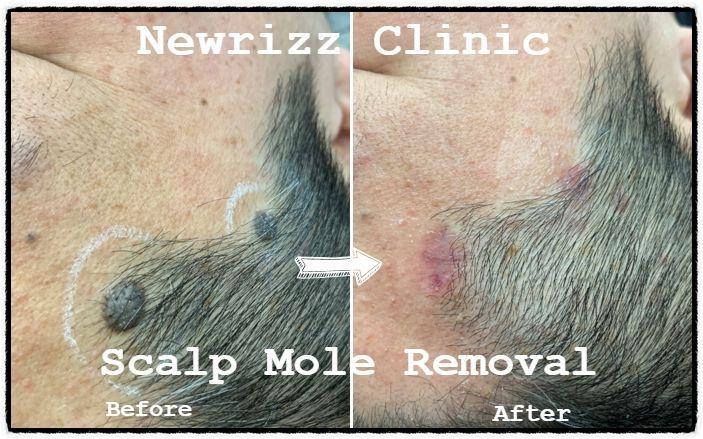
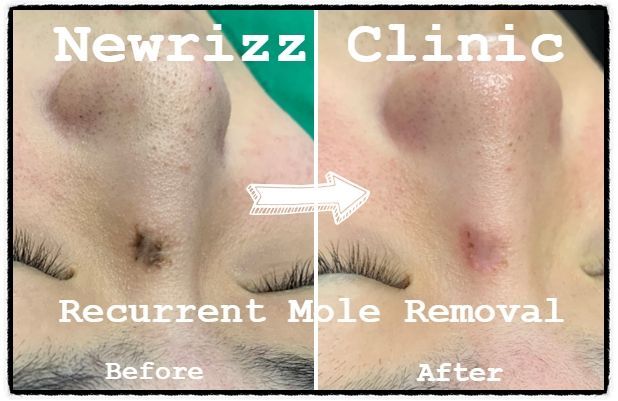
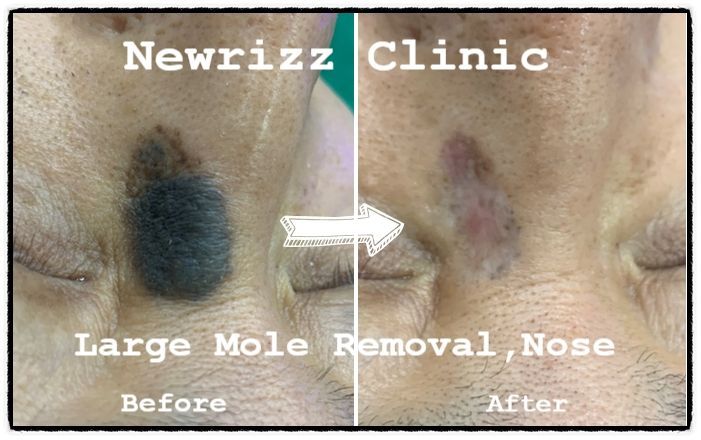
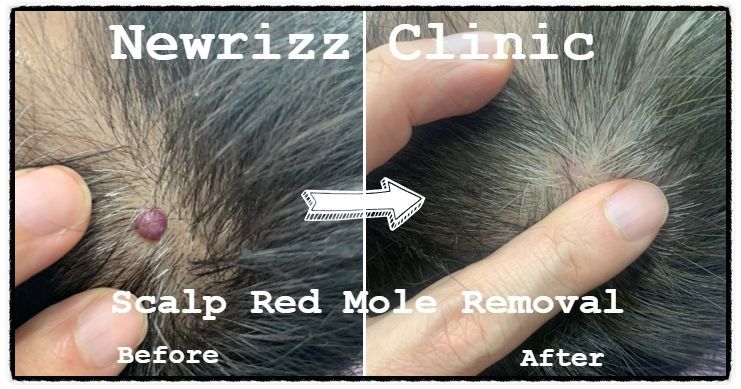
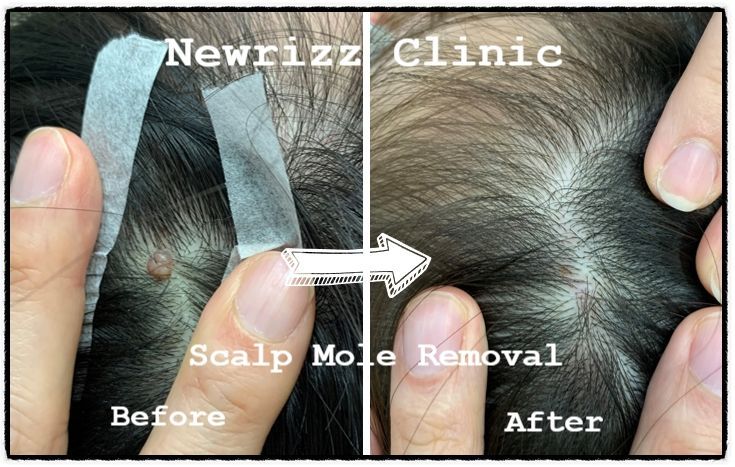
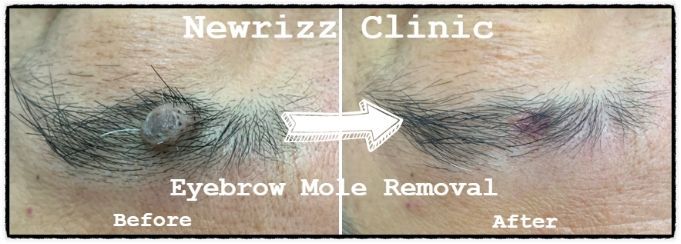
Laser scar treatment after mole removal helps improve redness, pigmentation, texture irregularities, indentation, raised scars, and visible surgical marks that may remain after healing. At NewRizz Skin Clinic, scar management begins with a detailed assessment of the scar type, skin type, and healing stage to determine the most effective treatment approach. Depending on the scar characteristics, treatment may involve fractional laser resurfacing, vascular lasers, pigmentation lasers, CO2 laser treatment, silicone-based scar management, or combination therapies. Modern laser technologies can significantly improve the appearance of scars, although no treatment can completely erase a scar.
Why Do Some Mole Removal Scars Become Noticeable?
Most mole removal sites heal well, but scar formation varies depending on:
- Mole size
- Mole depth
- Removal method
- Body location
- Skin type
- Genetics
- Sun exposure
- Healing response
Scars may appear:
- Red
- Brown
- Raised
- Indented
- Thickened
- Texturally uneven
Scar maturation often continues for many months after mole removal.
Types of Scars After Mole Removal
Red Scars
Early scars often appear pink or red because of increased blood vessel activity during healing.
Common characteristics:
- Persistent redness
- Increased visibility
- Sensitivity
- Recent healing history
Hyperpigmented Scars
More common in Asian skin types.
Characteristics include:
- Brown discoloration
- Dark spots
- Uneven pigmentation
- Sun-sensitive appearance
Raised Scars
Some patients develop:
- Hypertrophic scars
- Thickened scars
- Elevated scar tissue
Raised scars can become more noticeable over time if untreated.
Depressed Scars
Occasionally mole removal may leave:
- Small indentations
- Atrophic scars
- Uneven skin texture
These scars may benefit from collagen-stimulating treatments.
When Can Laser Scar Treatment Begin?
The ideal timing depends on the scar type and healing stage.
In many cases, laser treatment can begin once the wound has fully healed and skin integrity has been restored. Some studies suggest certain laser treatments may be beneficial during early scar development, while other scars benefit from treatment months later. Treatment timing is individualized for each patient.
Laser Treatments for Mole Removal Scars
Fractional CO2 Laser
Fractional CO2 laser is commonly used for:
- Textural irregularities
- Surgical scars
- Indented scars
- Uneven skin surface
Benefits include:
- Collagen remodeling
- Skin resurfacing
- Texture improvement
- Scar softening
CO2 laser remains one of the most effective options for improving scar texture.
Fractional Er:YAG Laser
Suitable for:
- Mild to moderate scars
- Surface irregularities
- Scar refinement
Benefits include:
- Reduced downtime
- Skin resurfacing
- Improved skin texture
Vascular Laser Treatment
Vascular lasers target excess blood vessels within red scars.
Benefits include:
- Reduction of redness
- Improved scar color
- Reduced inflammation
- Enhanced cosmetic appearance
Persistent red scars often respond well to vascular laser therapy.
Pigmentation Laser Treatment
Pigmentation lasers may be used for:
- Post-inflammatory hyperpigmentation
- Dark scar discoloration
- Uneven pigmentation
These treatments help create a more uniform skin tone.
Combination Scar Treatment
No single laser is ideal for every scar.
Many patients achieve optimal improvement through combination therapy that may include:
- Fractional lasers
- Vascular lasers
- Pigmentation lasers
- Silicone scar therapy
- Medical skincare
- Collagen stimulation treatments
Modern scar management frequently combines multiple technologies to address color, texture, thickness, and pigmentation simultaneously.
Silicone Scar Therapy
Silicone-based scar management is often recommended during early scar healing.
Benefits include:
- Scar hydration
- Scar softening
- Reduced scar thickness
- Improved scar appearance
Many scar management guidelines recommend silicone gel or silicone sheets as part of a comprehensive scar prevention strategy.
How Many Laser Sessions Are Needed?
The number of treatments depends on:
- Scar severity
- Scar age
- Scar type
- Skin characteristics
- Treatment goals
Many patients require multiple sessions for optimal improvement. Laser scar treatment is generally a gradual process, with improvement continuing over time.
Recovery After Laser Scar Treatment
Recovery varies according to the laser used.
Temporary effects may include:
- Redness
- Mild swelling
- Dryness
- Flaking
- Temporary sensitivity
Most patients resume normal activities quickly depending on treatment intensity.
Sun Protection After Scar Treatment
Sun protection is essential throughout scar treatment.
UV exposure can worsen:
- Hyperpigmentation
- Redness
- Scar discoloration
- Uneven skin tone
Patients are encouraged to:
- Use SPF 50+ sunscreen
- Wear protective hats
- Avoid excessive sun exposure
Consistent sun protection helps maximize treatment results.
International Patients Seeking Scar Treatment in Korea
Many international patients visit Korea specifically for scar revision and cosmetic dermatology.
NewRizz Skin Clinic welcomes patients seeking:
- Mole removal scar treatment
- Facial scar revision
- Laser scar resurfacing
- Pigmentation correction
- Red scar treatment
- Scar texture improvement
Treatment plans are customized according to each patient's scar characteristics and cosmetic goals.
Why Choose NewRizz Skin Clinic?
NewRizz Skin Clinic provides advanced scar management using evidence-based dermatology techniques and modern laser technology.
Patients benefit from:
- Comprehensive scar evaluation
- Advanced laser platforms
- Personalized treatment plans
- Scar-focused dermatology expertise
- Combination treatment options
- International patient support
- Modern aesthetic dermatology care in Korea
Frequently Asked Questions
Can laser treatment completely remove a mole removal scar?
No. Laser treatments can significantly improve scar appearance but cannot completely erase a scar.
When should I start laser scar treatment after mole removal?
Treatment timing depends on scar type and healing progress. Most scars should be fully healed before treatment begins.
Which laser is best for mole removal scars?
The ideal laser depends on whether the scar is red, pigmented, raised, or depressed. Many patients benefit from a combination approach.
Can lasers help red scars?
Yes. Vascular lasers are commonly used to reduce redness and improve scar appearance.
Can lasers improve depressed scars?
Yes. Fractional resurfacing lasers may stimulate collagen remodeling and improve scar texture.
How many laser treatments will I need?
Many patients require multiple sessions depending on scar severity and treatment goals.
Does laser scar treatment hurt?
Most patients experience only mild discomfort. Topical anesthetic creams may be used when appropriate.
Is silicone gel useful after mole removal?
Yes. Silicone-based scar products are commonly recommended to support scar management and improve appearance.
How long does scar improvement take?
Scar remodeling is gradual. Improvement may continue for several months following treatment.
Can international patients receive scar treatment during a short visit to Korea?
Yes. Many international patients begin scar treatment during a short stay and continue follow-up care remotely when appropriate.