Why Does My Wart Keep Coming Back?
Wart Removal in Jamsil at Newrizz Skin Clinic
Warts often come back because the human papillomavirus (HPV) can remain in the surrounding skin even after the visible wart has been removed. At Newrizz Skin Clinic in Jamsil, Dr. Chang Ki Hyun provides personalized wart evaluation and treatment to reduce recurrence while preserving healthy skin.
Why Do Warts Keep Coming Back?
Many patients are frustrated when a wart seems to disappear after treatment, only to return weeks or months later. The reason is that removing the visible wart does not always eliminate the HPV virus hiding in nearby skin cells. Even a tiny amount of remaining infected tissue can lead to regrowth.
Other factors that increase the chance of recurrence include:
- Incomplete destruction of infected tissue
- A weakened immune response
- Picking or scratching existing warts
- Sharing towels, razors, or personal items
- Walking barefoot in public showers, gyms, or swimming pools
- Thick skin that makes treatment more challenging, especially on the feet
Why Professional Wart Treatment Is More Effective
While over-the-counter wart products may work for some small lesions, recurrent or stubborn warts often require treatment by an experienced dermatologist.
Professional treatment offers several advantages:
- Accurate diagnosis to confirm the lesion is truly a wart
- Removal of deeper infected tissue
- Treatment tailored to the wart type and location
- Reduced risk of spreading HPV to nearby skin
- Better cosmetic outcomes with minimal scarring
- Follow-up monitoring for early recurrence
Because every wart behaves differently, treatment should be individualized rather than relying on a one-size-fits-all approach.
Common Types of Recurrent Warts
Different wart types require different treatment strategies.
Common Warts
Usually appear on the fingers, hands, elbows, or knees.
Plantar Warts
Develop on the soles of the feet and often grow inward due to walking pressure, making them more difficult to eliminate.
Flat Warts
Small, smooth lesions that often occur in groups on the face or legs.
Periungual Warts
Grow around the fingernails or toenails and may become particularly persistent if left untreated.
How Dr. Chang Ki Hyun Evaluates Recurrent Warts
Repeatedly treating the same wart without understanding why it returns often leads to frustration.
Dr. Chang Ki Hyun carefully evaluates:
- Wart location
- Number of lesions
- Previous treatments
- Skin thickness
- Recurrence history
- Overall skin condition
This comprehensive assessment allows treatment to be adjusted according to each patient's needs rather than simply repeating the same procedure.
Can Warts Be Prevented From Returning?
Although no treatment can guarantee that a wart will never recur, recurrence can often be reduced by:
- Completing the full recommended treatment course
- Avoiding picking or shaving over warts
- Keeping the treated area clean and dry
- Avoiding direct contact with active warts
- Wearing footwear in public showers and pools
- Treating new lesions early before they spread
HPV can remain dormant for months, so early detection is important.
International Patients Welcome
Newrizz Skin Clinic welcomes both local and international patients seeking professional wart diagnosis and treatment in Seoul.
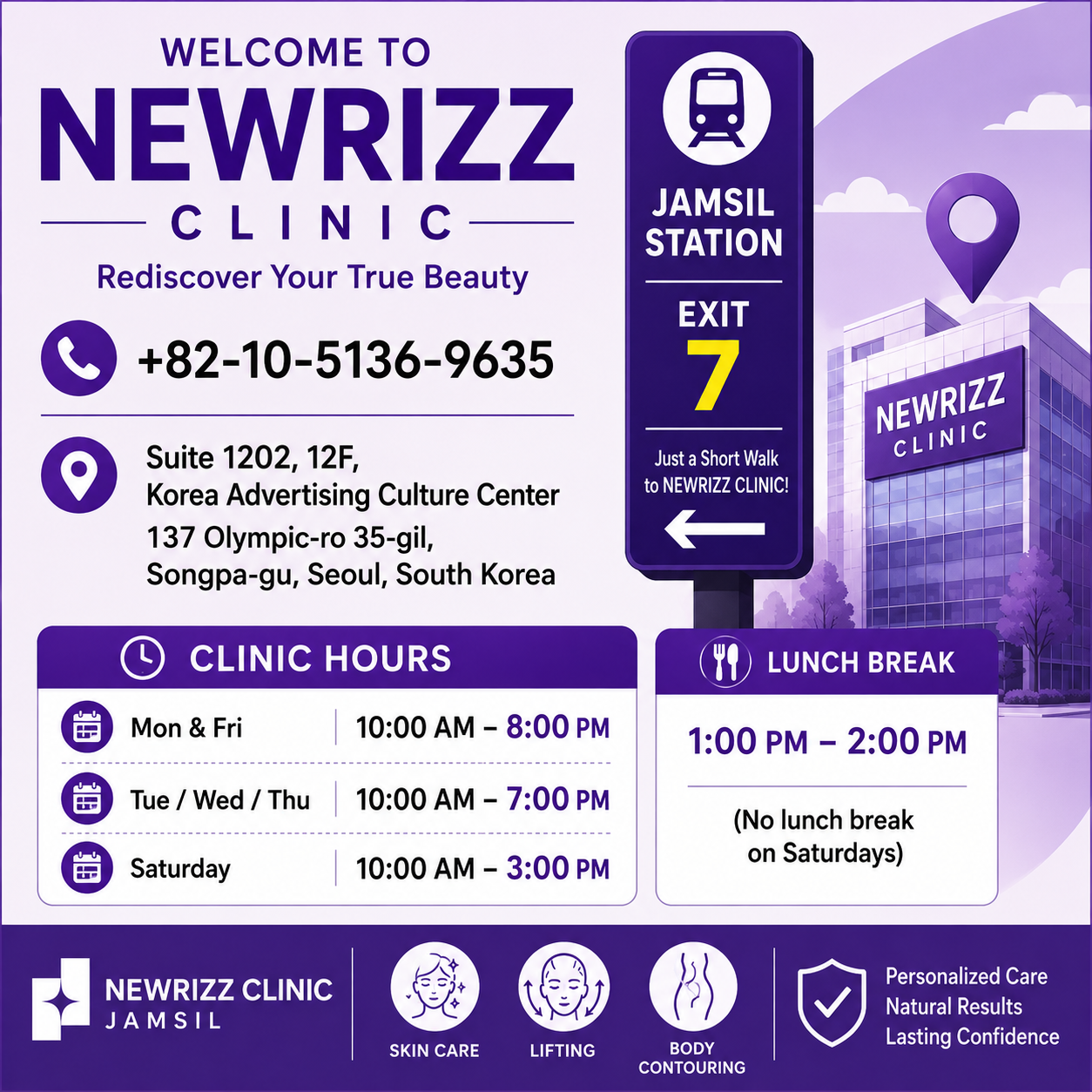
Newrizz Skin Clinic (Jamsil)
Dr. Chang Ki Hyun
12th Floor, 137 Olympic-ro 35-gil, Songpa-gu, Seoul, South Korea
WhatsApp (Direct Clinic): +82-10-5136-9636
Frequently Asked Questions
Why does my wart keep growing back after freezing?
Cryotherapy removes visible wart tissue, but HPV may remain in nearby skin. Depending on the wart size, location, and immune response, multiple treatment sessions may be necessary to fully control the infection.
Does removing a wart completely eliminate HPV?
Not always. Current treatments remove infected skin but cannot completely eradicate HPV from the body. The immune system also plays an important role in preventing recurrence.
How many treatments are usually needed?
The number varies depending on the wart type, size, location, and duration. Some patients improve after one treatment, while stubborn or recurrent warts may require several sessions.
Can children receive wart treatment?
Yes. Children commonly develop warts, and treatment can be modified according to their age, comfort level, and the wart's location.
Are warts contagious?
Yes. HPV spreads through direct skin contact and contaminated surfaces. Avoid picking warts and do not share towels, nail clippers, or razors.
Can facial warts be removed safely?
Yes. Facial skin requires careful treatment to minimize scarring while effectively removing infected tissue.
Should I keep treating a wart at home if it keeps returning?
If a wart repeatedly returns despite home treatment, evaluation by a dermatologist is recommended to confirm the diagnosis and determine the most appropriate treatment plan.
Can multiple family members develop warts?
Yes. Because HPV is contagious, it can spread between family members through close contact or shared personal items.