Does Mole Removal Leave a Scar in Korea? |Newrizz Skin Clinic Jamsil
Mole removal can leave a small mark or scar depending on the mole’s depth, size, location, removal method, skin type, and aftercare. At Newrizz Skin Clinic in Jamsil, Dr. Chang Ki Hyun provides careful mole assessment and personalized removal planning to reduce unnecessary scarring while prioritizing safe and realistic cosmetic outcomes.
Does Mole Removal Always Leave a Scar?
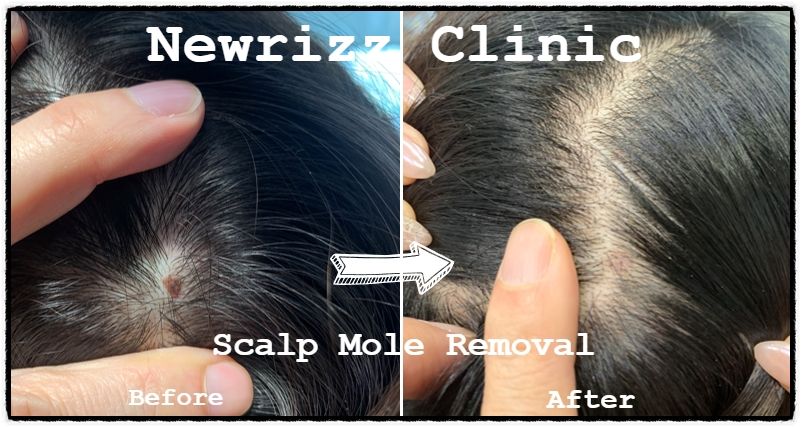
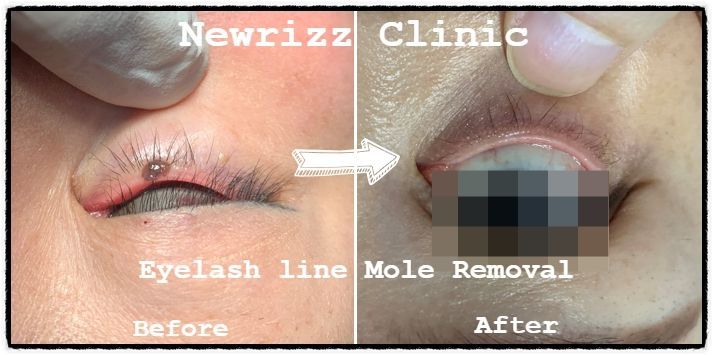
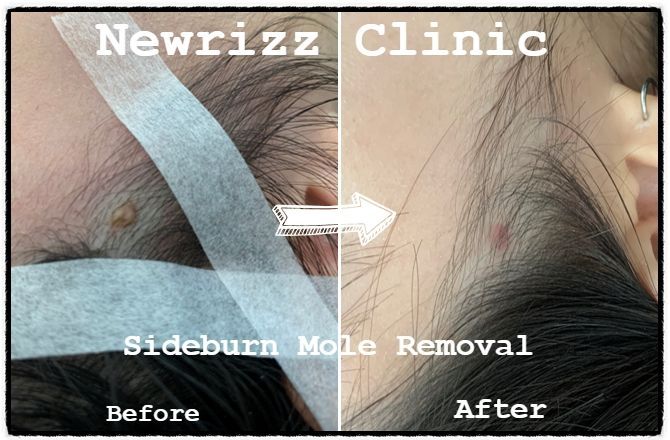
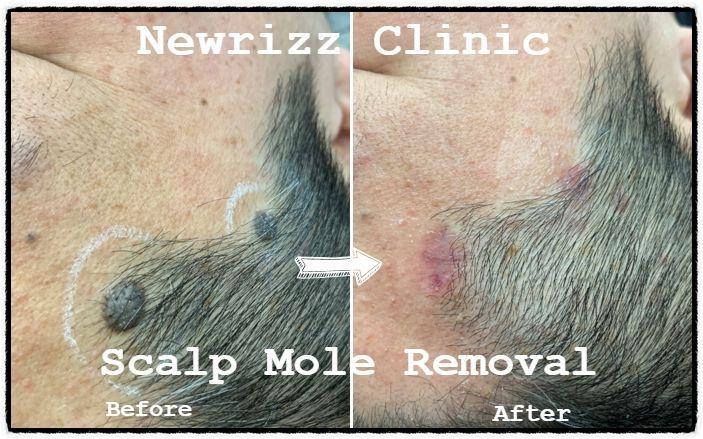
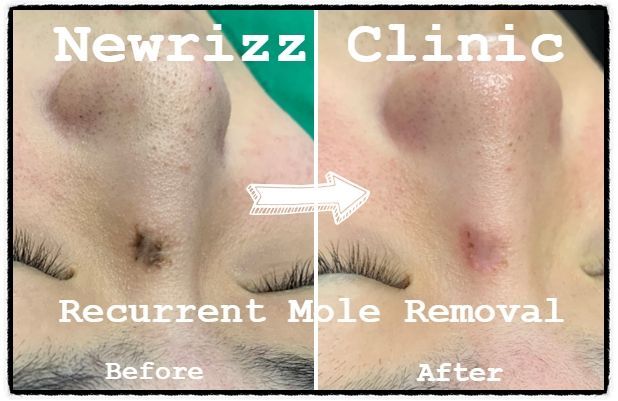
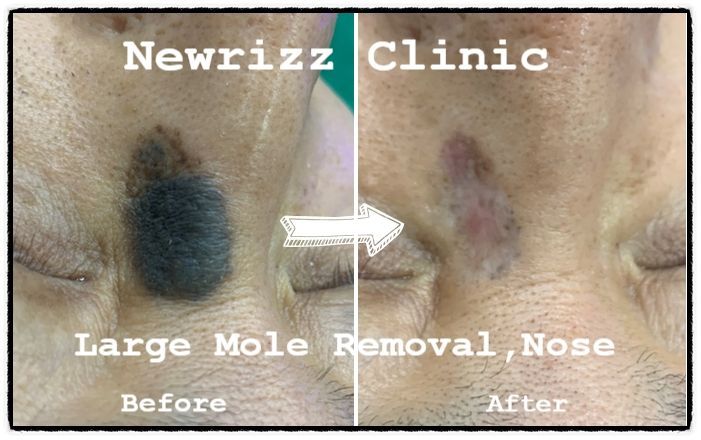
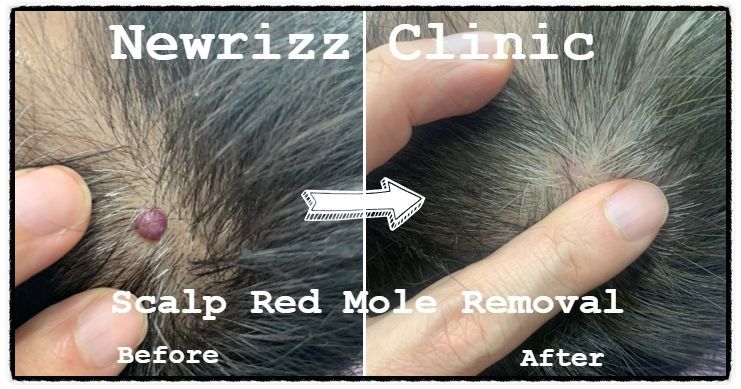
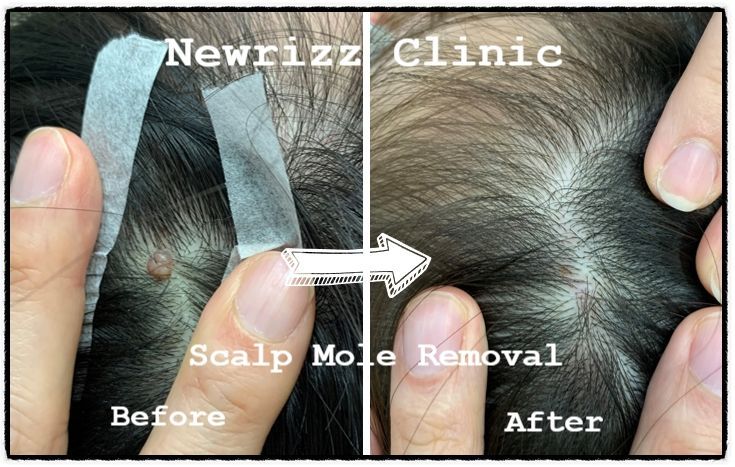
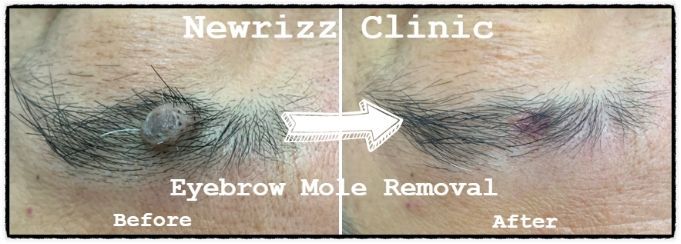
Mole removal does not always leave a noticeable scar, but any procedure that removes skin tissue can leave some degree of mark. The final result depends on how deep the mole is, whether it is flat or raised, how much pigment or mole tissue is present under the skin, the treatment method used, and how well the area heals afterward.
At Newrizz Skin Clinic in Jamsil, Dr. Chang Ki Hyun evaluates each mole before removal to determine the best balance between removing enough mole tissue and minimizing damage to surrounding healthy skin. This is important because overly aggressive removal may reduce recurrence but can increase scarring risk, while very conservative removal may heal more gently but may allow some mole pigment to return.
Why Some Moles Scar More Than Others
Not all moles are the same. A small, superficial, flat mole may heal with minimal visible change, while a deeper, raised, or long-standing mole may have a higher chance of leaving a small depression, texture change, or pale mark.
Moles on areas with thin skin, frequent movement, tension, or friction may also heal differently. Facial moles often require especially careful planning because even a small mark may be noticeable. Body areas such as the chest, shoulders, back, or jawline may be more prone to thicker scarring in some patients.
This is why mole removal should be planned individually rather than using the same approach for every mole.
Laser Mole Removal and Scarring
Laser-based mole removal may be suitable for some superficial or cosmetic moles, especially when the goal is to reduce visible pigment or raised tissue with controlled treatment. However, laser is not always the best option for every mole.
If a mole is deep, large, raised, recurrent, changing, irregular, or medically suspicious, the doctor may recommend a different approach or further evaluation. Laser treatment that is too shallow may leave remaining pigment, while treatment that is too deep may increase the chance of scarring.
Dr. Chang Ki Hyun assesses mole depth and appearance before deciding whether laser-based removal is appropriate.
Can Raised Mole Removal Leave a Scar?
Raised moles are more likely to leave a mark than very superficial flat moles because they often involve deeper skin layers. If the mole has significant depth, removing it completely may require more tissue removal, which can create a higher chance of indentation or scar formation.
For cosmetic raised mole removal, the doctor may discuss a realistic treatment plan that considers both flattening the mole and preserving skin texture. In some cases, staged or conservative treatment may be recommended to reduce visible scarring risk.
The best method depends on the mole’s size, depth, location, and whether there are any suspicious features.
How to Reduce the Risk of Scarring After Mole Removal
Aftercare plays a major role in how the skin heals after mole removal. Patients should avoid picking scabs, rubbing the treated area, applying strong exfoliating products, or exposing the spot to strong sunlight during the healing period.
Sun protection is especially important because treated skin is more vulnerable to post-inflammatory pigmentation. Keeping the area clean and following the clinic’s wound care instructions can help reduce irritation and support smoother healing.
If the treated area becomes unusually painful, swollen, red, infected-looking, or slow to heal, patients should contact the clinic for guidance.
Will the Mole Come Back If Treatment Is Gentle?
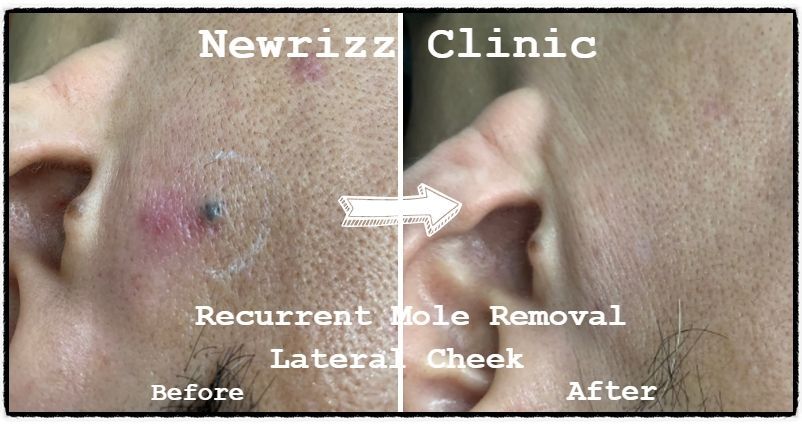
Sometimes. If mole cells remain deeper in the skin, pigment or raised tissue may partially return. This can happen when treatment is performed conservatively to reduce scarring risk, especially for deeper moles.
Complete removal may reduce recurrence but can increase the chance of a visible scar. Conservative removal may reduce scarring but can carry a higher recurrence risk. Dr. Chang Ki Hyun will explain this balance during consultation so patients can make an informed decision based on their priorities.
Mole Removal in Korea for International Patients
Many international patients choose Korea for mole removal because cosmetic dermatology services are accessible, efficient, and detail-oriented. Newrizz Skin Clinic in Jamsil welcomes local residents, expats, and visitors seeking mole removal in Seoul.
Patients visiting Korea for a short time should plan treatment early in their stay so they can receive proper aftercare instructions before departure. The clinic is located in Jamsil, Songpa-gu, near Lotte World Tower, making it convenient for patients staying in Jamsil, Gangnam, eastern Seoul, or central Seoul.
Newrizz Skin Clinic
Dr. Chang Ki Hyun
12th Floor, 137 Olympic-ro 35-gil, Songpa-gu, Seoul, South Korea
WhatsApp: +82-10-5136-9636
When a Mole Should Be Checked Before Removal
Before cosmetic removal, a mole should be checked carefully if it is growing, bleeding, itching, painful, crusting, changing color, becoming irregular, or looking different from your other moles.
Suspicious moles should not be treated only as cosmetic concerns. In some cases, biopsy or further medical evaluation may be needed before removal. Dr. Chang Ki Hyun can assess whether the mole appears suitable for cosmetic removal or whether a more cautious medical approach is recommended.
Frequently Asked Questions
Does mole removal always leave a scar?
No, mole removal does not always leave a noticeable scar, but any skin removal procedure can leave a small mark. The risk depends on mole depth, size, location, skin type, treatment method, and aftercare.
Which moles are more likely to scar after removal?
Deep, raised, large, long-standing, or recurrent moles are more likely to leave a scar. Moles on areas with skin tension, friction, or thicker scar tendency may also heal with more visible marks.
Is laser mole removal scar-free?
Laser mole removal can have a low risk of visible scarring for suitable superficial moles, but it is not completely scar-free. If the mole is deep or treated too aggressively, scarring can still occur.
Can raised moles be removed without a scar?
Raised moles may leave a small mark because they often involve deeper skin layers. The doctor can plan treatment to minimize scarring, but a completely scarless result cannot be guaranteed.
How long does a mole removal scar take to fade?
Initial healing often takes one to two weeks, but redness, pigmentation, or texture changes may take several weeks to months to improve depending on the mole depth and skin type.
What can I do to prevent scarring after mole removal?
Avoid picking, rubbing, sun exposure, harsh skincare, and premature exfoliation. Follow wound care instructions and protect the treated area with sunscreen after the skin closes.
Can a mole come back after removal?
Yes. If mole cells remain in deeper skin layers, the mole may partially return. Deeper treatment can reduce recurrence but may increase scarring risk.
Should suspicious moles be removed by laser?
Suspicious, changing, bleeding, irregular, or rapidly growing moles should be medically assessed first. Laser may not be appropriate if the mole requires biopsy or further evaluation.
Can tourists get mole removal in Korea and travel soon after?
Yes, tourists can often receive mole removal during a short stay, but they should schedule treatment early enough to receive aftercare guidance and understand how to protect the treated area while traveling.