Recurring Wart Treatment
and Removal in Korea
Newrizz Skin Clinic Jamsil
Recurring warts can happen when HPV remains in nearby skin even after the visible wart is treated. At Newrizz Skin Clinic in Jamsil, Dr. Chang Ki Hyun provides careful wart diagnosis and personalized treatment planning for stubborn, returning, spreading, and repeatedly treated warts in Korea.
Why Warts Keep Coming Back
Recurring warts are frustrating because they may seem to disappear after treatment, then return in the same area or spread to nearby skin. This happens because warts are caused by the human papillomavirus, also known as HPV, which can remain in surrounding skin even after the visible wart improves.
A wart may also come back if the infected tissue was not fully treated, if the wart was deep, if the area was repeatedly irritated, or if the immune response did not fully suppress the virus. Picking, scratching, nail biting, shaving over warts, and walking barefoot in shared areas can also increase the chance of recurrence or spread.
At Newrizz Skin Clinic in Jamsil, Dr. Chang Ki Hyun evaluates not only the visible wart but also the recurrence pattern, previous treatments, skin thickness, location, and risk of spreading.
When a Wart Is Considered Recurrent
A wart may be considered recurrent if it returns after freezing, laser treatment, home treatment, topical medication, or previous removal. It may also be recurrent if the same wart repeatedly shrinks and grows again, or if new warts keep appearing near the original area.
Recurring warts are common on the fingers, hands, around the nails, soles of the feet, toes, and areas exposed to friction. Plantar warts can be especially stubborn because walking pressure can push the wart deeper into the skin. Periungual warts around the nails can also be difficult because the nail fold is delicate and easily irritated.
Because recurrent warts often need a more strategic approach, professional diagnosis is recommended.
Why Home Treatment Often Fails for Recurring Warts
Over-the-counter wart products may help some small early warts, but they are often not enough for recurring, thick, deep, or multiple warts. If the treatment does not reach enough infected tissue, the wart may return.
Aggressive home methods can also irritate surrounding skin and create small wounds, allowing HPV to spread more easily. Cutting, filing, digging, or picking the wart can make the problem worse, especially on fingers or around the nails.
Dr. Chang Ki Hyun can assess whether the lesion is truly a wart and recommend a treatment plan based on how stubborn or widespread it is.
Recurring Wart Treatment Options in Korea
Treatment for recurrent warts depends on the wart’s size, depth, number, location, and previous treatment history. Some patients may need a more targeted removal method, while others may require repeated sessions or combined strategies to control recurrence.
Laser wart removal may be considered for certain stubborn warts, while other wart treatments may be recommended depending on the lesion. The goal is to treat active wart tissue while minimizing unnecessary damage to surrounding healthy skin.
Because HPV-related lesions can recur, patients should understand that one session may not always be enough for long-standing or repeatedly returning warts.
Recurring Warts on Hands and Fingers
Hand and finger warts often recur because the hands are exposed to constant friction, washing, small cuts, and repeated touching. Nail biting, cuticle picking, manicures, and scratching can spread HPV from one finger to another.
Warts around the nails, known as periungual warts, may require extra caution because aggressive treatment can irritate the nail fold. Early treatment is helpful when new small lesions appear because they are usually easier to manage than larger clustered warts.
Newrizz Skin Clinic provides personalized treatment planning for finger warts, multiple hand warts, and warts that keep returning after previous treatment.
Recurring Plantar Wart Treatment
Plantar warts on the soles of the feet can be particularly persistent. They may look like thick calluses, feel painful when walking, and contain tiny black dots. Because body weight pushes pressure into the wart, plantar warts may become deeper and harder to treat.
Recurring plantar warts may require repeated treatment and careful aftercare. Patients may need to reduce friction, protect the treated area, and avoid barefoot walking in public showers, gyms, pools, and locker rooms.
Dr. Chang Ki Hyun can evaluate whether the plantar wart is suitable for same-day treatment, laser-based removal, or a more gradual treatment plan.
How to Reduce Wart Recurrence After Treatment
To reduce recurrence, avoid picking, scratching, shaving over, cutting, or filing warts. Keep the treated area clean, protect it from friction, and follow aftercare instructions closely.
Do not share towels, nail clippers, razors, socks, shoes, gloves, or manicure tools. If the wart is on the foot, wear footwear in shared wet areas. If the wart is on the hand, avoid nail biting and cuticle picking because small skin breaks make it easier for HPV to spread.
Follow-up visits may be recommended if the wart is deep, recurrent, or has spread to multiple areas.
Why Choose Newrizz Skin Clinic in Jamsil
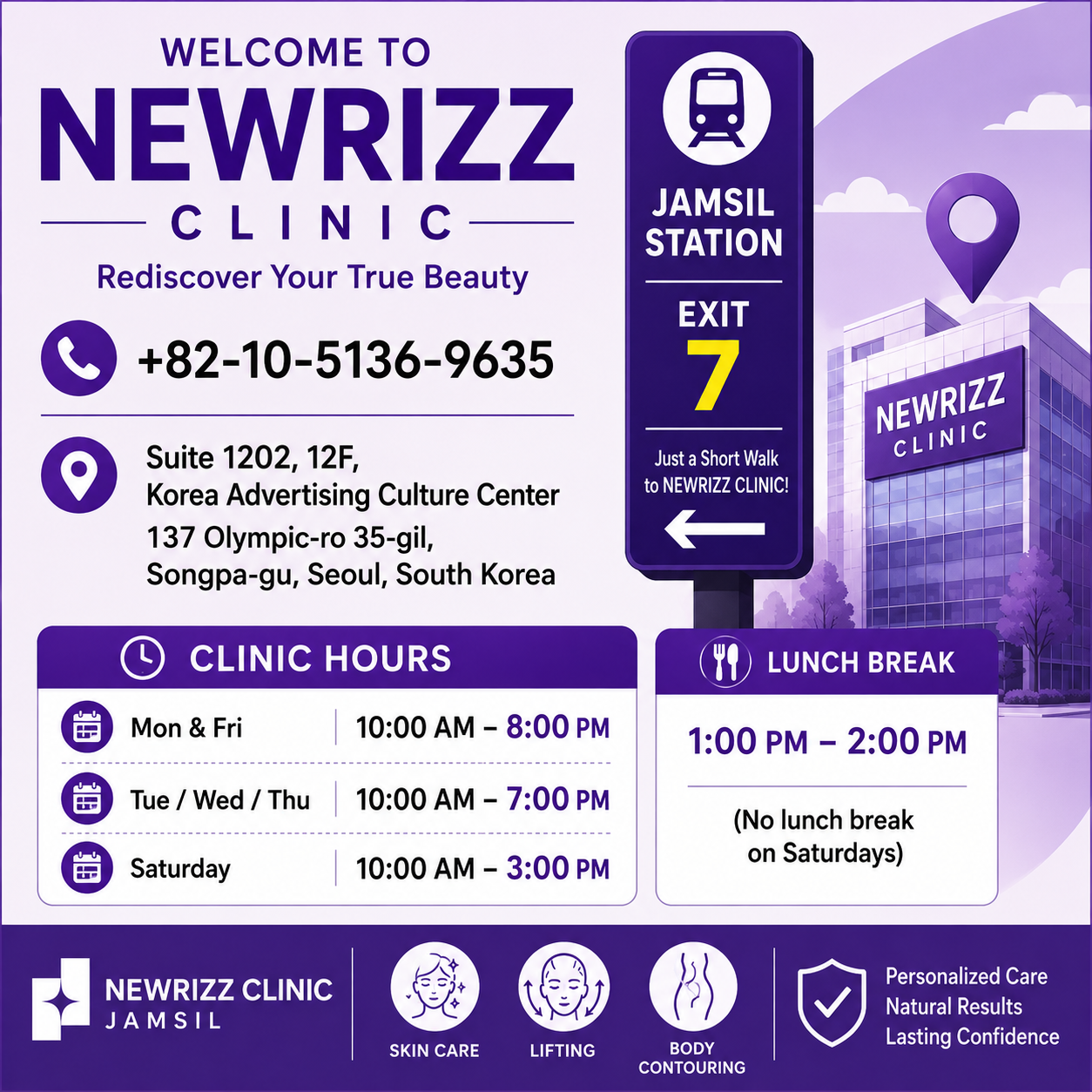
Newrizz Skin Clinic is located in Jamsil, Songpa-gu, near Lotte World Tower, making it convenient for patients staying in Jamsil, Gangnam, eastern Seoul, or central Seoul. Dr. Chang Ki Hyun provides careful diagnosis and treatment planning for recurring warts, stubborn warts, plantar warts, periungual warts, multiple hand warts, and warts that keep coming back.
International patients can contact the clinic directly through WhatsApp for appointment support and treatment inquiries.
Newrizz Skin Clinic
Dr. Chang Ki Hyun
12th Floor, 137 Olympic-ro 35-gil, Songpa-gu, Seoul, South Korea
WhatsApp: +82-10-5136-9636
Frequently Asked Questions
Why does my wart keep coming back after treatment?
A wart can come back because HPV may remain in surrounding skin even after the visible wart improves. Deep wart tissue, incomplete treatment, repeated irritation, and poor aftercare can also contribute to recurrence.
Are recurring warts contagious?
Yes. Recurring warts are still caused by HPV and can spread through direct contact, shared personal items, nail tools, towels, shoes, or contaminated surfaces.
Can laser treatment help recurring warts?
Laser treatment may be considered for some stubborn or recurrent warts after doctor evaluation. The best method depends on wart size, depth, location, and previous treatment history.
How many sessions are needed for recurring wart removal?
The number of sessions varies. Some warts improve after one treatment, while deep, plantar, periungual, multiple, or long-standing warts may require repeated sessions.
Can recurring warts spread to other fingers or feet?
Yes. Picking, scratching, shaving, nail biting, or using the same grooming tools can spread HPV to nearby skin or other body areas.
Are plantar warts more likely to recur?
Plantar warts can be more stubborn because they are often thick, deep, and located on pressure-bearing skin. They may require more careful treatment and aftercare.
Should I continue home treatment if my wart keeps coming back?
If a wart keeps returning despite home care, professional evaluation is recommended. Aggressive cutting, filing, or picking can irritate the skin and increase spread.
Can tourists get recurring wart treatment in Korea?
Yes. International patients visiting Korea can schedule wart evaluation and treatment at Newrizz Skin Clinic in Jamsil. It is best to plan treatment early in the trip for aftercare guidance.
How do I book recurring wart treatment at Newrizz Skin Clinic?
You can contact Newrizz Skin Clinic directly through WhatsApp at +82-10-5136-9636 for appointment support.