Mole Getting Bigger After Years?
Jamsil Mole Check & Removal at
Newrizz Skin Clinic
A mole getting bigger after years should be checked by a doctor because some changes can be harmless, while others may require medical evaluation before cosmetic removal. At Newrizz Skin Clinic in Jamsil, Dr. Chang Ki Hyun provides careful mole assessment and personalized treatment planning for changing, growing, raised, or cosmetically concerning moles.
Why a Mole May Get Bigger After Years
A mole that has been stable for many years but suddenly seems larger can feel concerning. Some moles slowly become raised, darker, lighter, or more noticeable with age, sun exposure, hormonal changes, friction, or natural skin changes. However, any mole that changes in size, shape, color, border, texture, or symptoms should be evaluated carefully before cosmetic removal.
At Newrizz Skin Clinic in Jamsil, Dr. Chang Ki Hyun examines the mole’s appearance, growth pattern, color, border, surface, location, and symptoms to determine whether it looks suitable for cosmetic removal or needs closer medical assessment. This step is important because a growing mole should not be treated simply as a beauty concern without first checking whether it is clinically safe.
When a Growing Mole Needs Medical Attention
A mole that slowly changes over many years is not always dangerous, but certain warning signs should not be ignored. If the mole is growing faster than before, becoming irregular, bleeding, itching, painful, crusting, changing color, or looking different from your other moles, it should be assessed by a dermatologist.
Patients should be especially cautious if the mole has uneven borders, mixed colors, sudden darkening, rapid enlargement, or a new raised area. A mole that repeatedly catches on clothing, gets irritated, or bleeds may also need evaluation because chronic trauma can make the area inflamed and harder to judge visually.
Dr. Chang Ki Hyun can help determine whether the lesion appears to be a common cosmetic mole, another benign skin growth, or something that should be evaluated more medically before removal.
Why You Should Not Remove a Changing Mole Without Evaluation
Many patients want to remove a growing mole quickly for cosmetic reasons, especially if it is on the face, neck, chest, or another visible area. However, when a mole has changed after years of stability, the first priority is proper assessment.
Removing a suspicious mole with simple cosmetic laser treatment may not be appropriate if the lesion requires medical diagnosis. In some cases, a different removal method, biopsy, or referral may be recommended. This does not mean every growing mole is dangerous, but it does mean that a doctor should check it first.
A careful consultation helps protect both your health and your cosmetic outcome.
Common Reasons Moles Look Bigger Over Time
A mole may appear larger or more raised due to normal skin aging, deeper pigment, sun exposure, skin stretching, hormonal changes, or repeated friction from clothing, masks, collars, razors, or jewelry.
Some lesions that look like moles may actually be other benign skin growths such as seborrheic keratoses, skin tags, lentigines, or dermatofibromas. These can also grow slowly over time and may be mistaken for changing moles.
This is why clinical evaluation is important. The treatment plan should be based on what the lesion actually is, not only how it looks to the patient.
Mole Assessment at Newrizz Skin Clinic in Jamsil
At Newrizz Skin Clinic, Dr. Chang Ki Hyun evaluates changing moles with attention to both medical safety and cosmetic appearance. During consultation, the doctor may ask when the mole began changing, whether it has grown quickly, whether symptoms are present, and whether you have a history of sun exposure or previous mole removal.
The mole’s size, shape, border, color, elevation, and location are checked carefully. If the mole appears suitable for cosmetic removal, the doctor can discuss the most appropriate method. If the mole appears suspicious, medical evaluation may be prioritized before cosmetic treatment.
Can a Growing Mole Be Removed?
A growing mole may be removable, but only after the doctor confirms that it is appropriate to remove cosmetically. Small, stable-looking cosmetic moles may be removed for appearance, while deeper, raised, or changing moles may require a more cautious plan.
The removal method depends on the mole’s depth, size, location, and whether the goal is cosmetic improvement or medical evaluation. Some moles can be treated with laser-based removal, while others may need excision or further assessment.
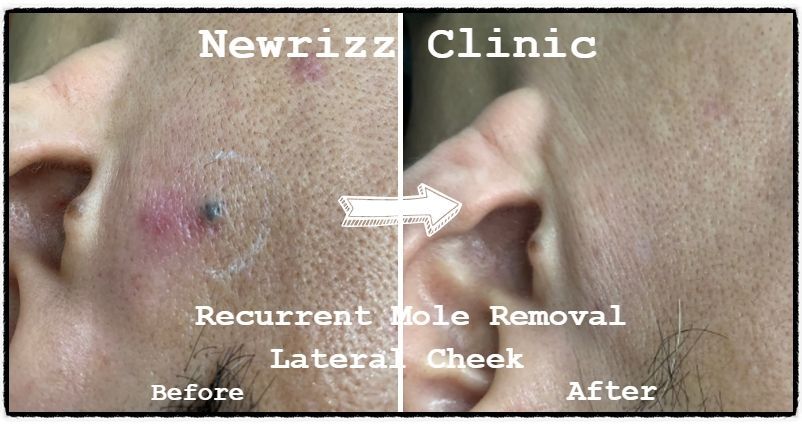
Dr. Chang Ki Hyun will explain what result is realistic, including the possibility of redness, pigmentation, textural change, recurrence, or scarring depending on the mole type.
Healing After Mole Removal
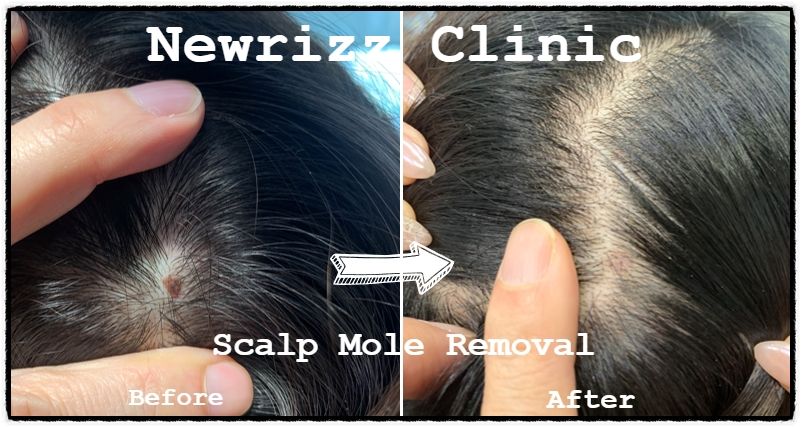
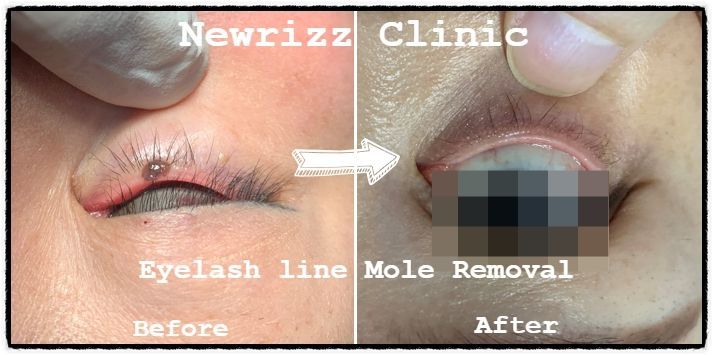
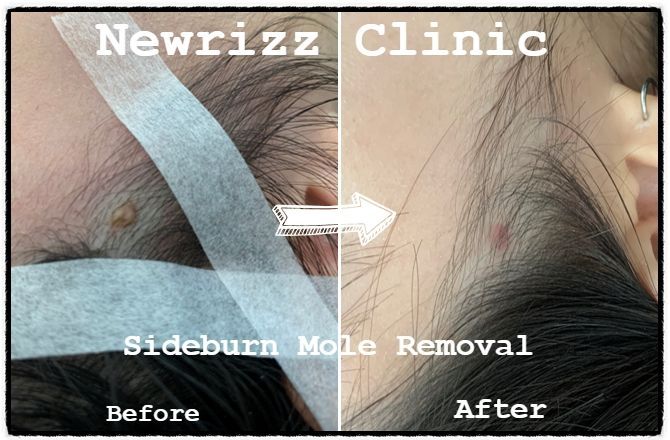
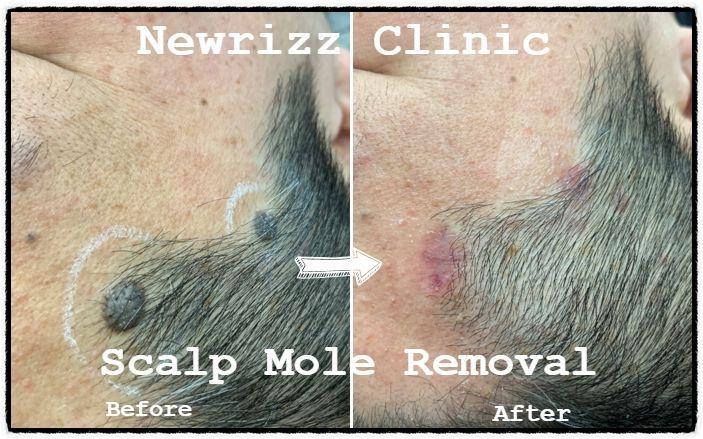
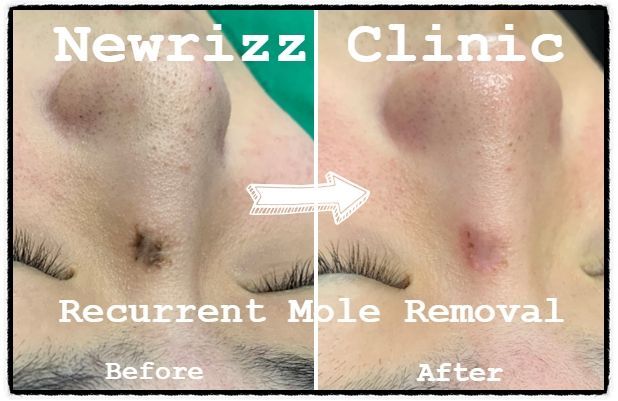
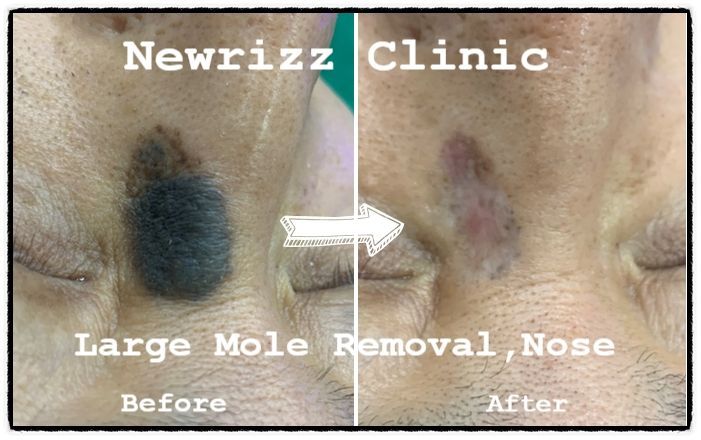
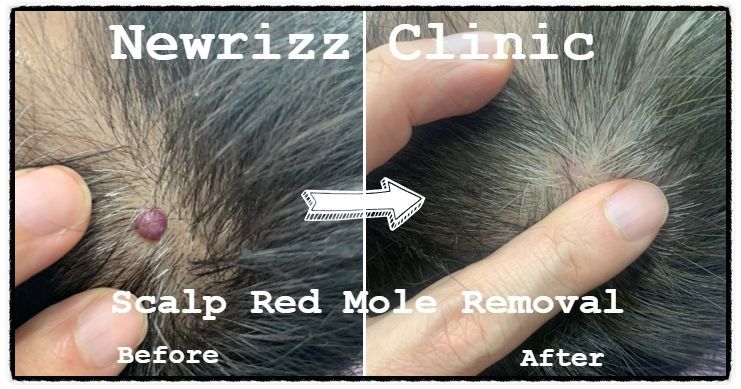
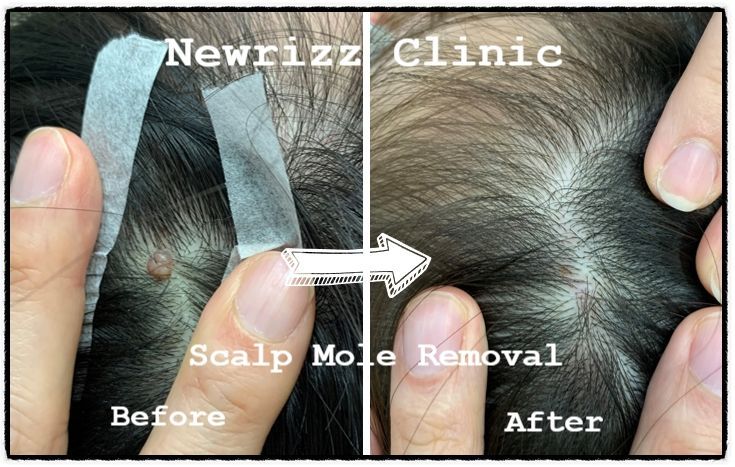
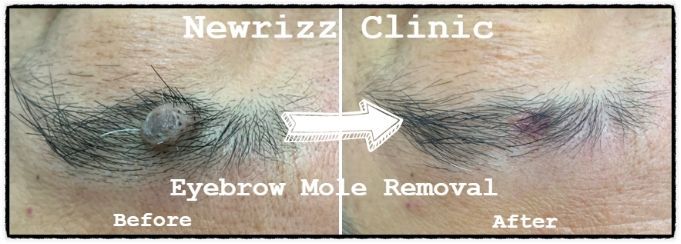
After mole removal, the treated area may look red, slightly indented, crusted, or darker before gradually improving. Healing varies depending on the mole’s depth and location.
Patients should avoid picking the treated area, rubbing the skin, exposing it to strong sunlight, or using strong exfoliating products during early healing. Sun protection is especially important because treated skin is more vulnerable to pigmentation.
For deeper or raised moles, healing may take longer and a small mark may remain. Proper aftercare helps support a smoother recovery.
Mole Check and Removal for International Patients
Newrizz Skin Clinic welcomes local residents, expats, and international patients staying near Jamsil, Songpa, Lotte World Tower, Gangnam, or eastern Seoul. Patients who notice a mole getting bigger after years can contact the clinic directly through WhatsApp to schedule an appointment.
Because changing moles require in-person assessment, the final treatment plan is confirmed after Dr. Chang Ki Hyun examines the lesion. International patients with limited time in Korea are encouraged to schedule consultation early during their stay.
Newrizz Skin Clinic
Dr. Chang Ki Hyun
12th Floor, 137 Olympic-ro 35-gil, Songpa-gu, Seoul, South Korea
WhatsApp: +82-10-5136-9636
Frequently Asked Questions
Is it normal for a mole to get bigger after years?
Some moles can slowly become larger, raised, or more noticeable over time due to aging, sun exposure, hormones, or skin changes. However, any mole that changes in size should be checked by a doctor to confirm whether it is safe.
When should I worry about a growing mole?
You should seek evaluation if the mole is growing quickly, changing color, becoming irregular, bleeding, itching, painful, crusting, or looking different from your other moles.
Can I remove a mole that is getting bigger?
A growing mole may be removable, but it should be assessed first. If it appears medically safe, cosmetic removal may be considered. If it looks suspicious, further evaluation or biopsy may be recommended.
Can laser remove a growing mole?
Laser may be suitable for some cosmetic moles, but it is not always appropriate for changing or suspicious moles. The doctor must evaluate the mole first before deciding the best method.
Does a bigger mole mean skin cancer?
Not always. Many growing moles are benign, but size change can be a warning sign. A medical check is important to distinguish harmless changes from lesions that need further evaluation.
What if my mole is raised and getting bigger?
Raised moles can grow gradually over time, but they should still be assessed if they are changing. Treatment depends on the depth, location, symptoms, and clinical appearance.
Will mole removal leave a scar?
Any mole removal can leave a small mark, especially if the mole is deep or raised. Careful treatment planning and proper aftercare can help reduce visible scarring.
Can a mole come back after removal?
Yes. If mole cells remain deeper in the skin, the mole may partially return. Deeper removal may reduce recurrence but can increase the risk of scarring, so the treatment balance should be discussed during consultation.
Should tourists in Seoul get a changing mole checked?
Yes. If you are visiting Seoul and notice a mole getting bigger after years, it is wise to have it evaluated before considering cosmetic removal, especially if your travel schedule allows time for aftercare.