Seborrheic Keratosis vs Mole: Common Misdiagnoses
Seborrheic keratoses and moles are common skin growths that can sometimes look similar, especially when they become pigmented or raised. While both are usually benign, they have different causes, appearances, and treatment approaches. A professional dermatology evaluation can help determine the correct diagnosis and rule out more serious skin conditions.

Seborrheic Keratosis vs Mole: Common Misdiagnoses
Many patients visit dermatology clinics concerned about a new skin growth and assume it is a mole. However, one of the most commonly misidentified skin lesions is seborrheic keratosis. Because seborrheic keratoses can appear pigmented, raised, and irregular, they are frequently mistaken for moles and, in some cases, even skin cancer.
Understanding the differences between seborrheic keratoses and moles can help patients better recognize changes in their skin and know when professional evaluation is appropriate.
What Is a Seborrheic Keratosis?
Seborrheic keratosis is a common non-cancerous skin growth that typically develops with age.
These lesions are:
- Benign
- Non-contagious
- Usually slow-growing
- Common in adults over 40
- Often multiple in number
Seborrheic keratoses do not develop from pigment-producing cells like moles do.
Instead, they arise from the outer layers of the skin and often have a characteristic "stuck-on" appearance.
What Is a Mole?
A mole, also known as a nevus, is a collection of melanocytes, the cells responsible for producing skin pigment.
Moles may:
- Be flat or raised
- Appear during childhood or adulthood
- Remain stable for many years
- Vary in color and size
Most moles are harmless, although some may require monitoring if they change over time.
Why Are Seborrheic Keratoses Often Mistaken for Moles?
The confusion occurs because both lesions can:
- Be brown or dark in color
- Appear raised above the skin
- Develop on the face and body
- Vary in size
- Become more common with age
Without professional examination, distinguishing between the two can be difficult.
Appearance: Seborrheic Keratosis vs Mole
Seborrheic Keratosis
Seborrheic keratoses often appear:
- Waxy
- Rough
- Thickened
- Slightly elevated
- As though they are sitting on top of the skin
Many patients describe them as looking "pasted on" or "stuck on."
Mole
Moles generally appear:
- Smoother
- More uniform
- Embedded within the skin
- Round or oval
- Better defined
Although some moles are raised, they typically lack the waxy surface texture seen in seborrheic keratoses.
Color Differences
Seborrheic Keratosis Colors
These lesions may appear:
- Light brown
- Dark brown
- Black
- Tan
Color can vary even within a single lesion.
Mole Colors
Moles are commonly:
- Brown
- Dark brown
- Black
- Pink
- Flesh-colored
Many benign moles have a more uniform color distribution.
Texture Differences
Texture is often one of the easiest ways to distinguish between the two.
Seborrheic Keratosis
Often feels:
- Rough
- Waxy
- Crusty
- Thickened
Mole
Usually feels:
- Smooth
- Soft
- Firm
- Evenly textured
Dermatologists often rely heavily on texture during clinical evaluation.
Common Locations
Seborrheic Keratosis
Frequently develops on:
- Face
- Chest
- Back
- Shoulders
- Neck
They are uncommon on the palms and soles.
Mole
Moles can occur almost anywhere, including:
- Face
- Arms
- Legs
- Scalp
- Back
- Chest
What Causes Seborrheic Keratosis?
The exact cause is not fully understood.
Contributing factors may include:
- Aging
- Genetics
- Long-term sun exposure
Seborrheic keratoses become increasingly common with age.
What Causes Moles?
Moles are influenced by:
- Genetics
- Sun exposure
- Hormonal changes
- Natural melanocyte development
Many moles first appear during childhood and adolescence.
Can Seborrheic Keratosis Become Cancerous?
Seborrheic keratoses themselves are benign and do not become skin cancer.
However, some skin cancers can resemble seborrheic keratoses, which is why professional evaluation is important when a lesion appears unusual.
Can Moles Become Cancerous?
Most moles remain benign throughout life.
However, some moles can develop abnormal features or resemble melanoma.
Warning signs include:
- Asymmetry
- Irregular borders
- Multiple colors
- Rapid growth
- Bleeding
- Persistent itching
Any changing mole should be examined by a dermatologist.
How Dermatologists Tell the Difference
Visual Examination
Many lesions can be identified through clinical inspection.
Dermoscopy
A dermatoscope provides magnified visualization of structures beneath the skin surface.
This allows dermatologists to identify characteristic patterns associated with seborrheic keratoses and moles.
Biopsy
If a diagnosis remains uncertain, a biopsy may be performed.
A biopsy provides a definitive diagnosis by examining the tissue under a microscope.
Treatment Options for Seborrheic Keratosis
Treatment is often performed for cosmetic reasons or irritation.
Common options include:
Cryotherapy
Liquid nitrogen freezes the lesion.
Laser Removal
Laser technology can remove pigmented growths with precision.
Electrocautery
Heat energy is used to remove the lesion.
Curettage
The growth is gently scraped from the skin.
Treatment Options for Moles
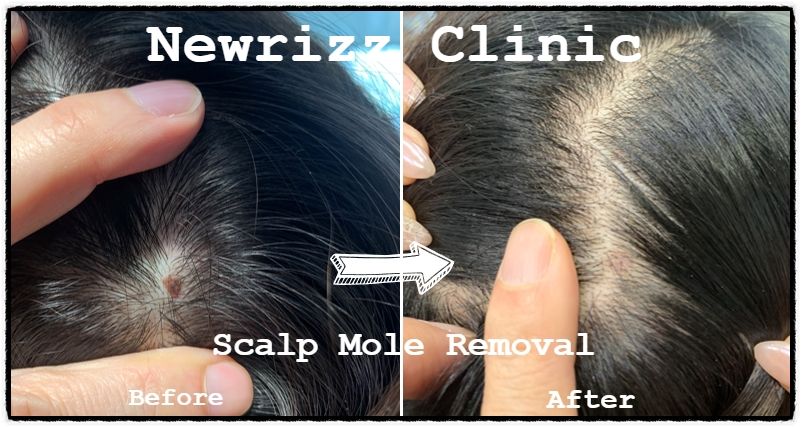
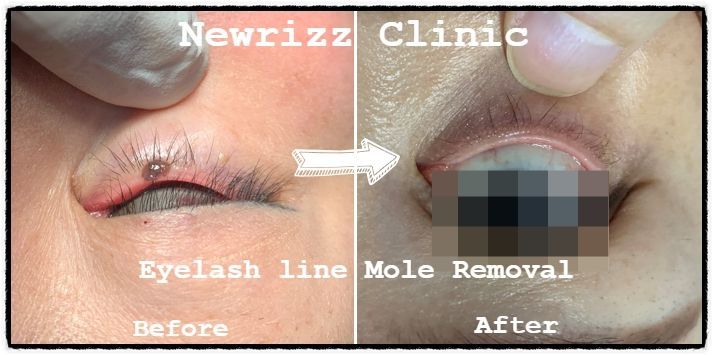
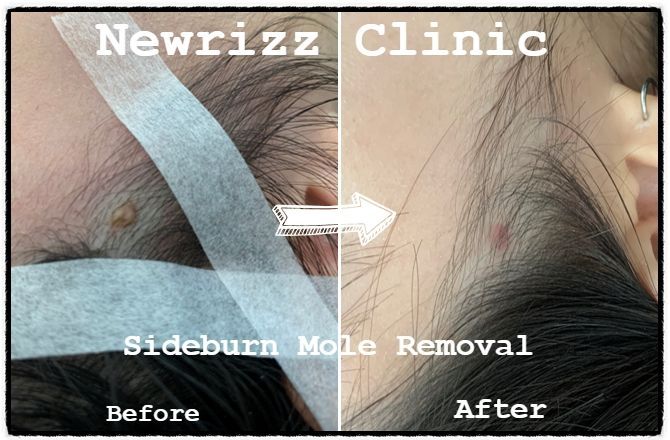
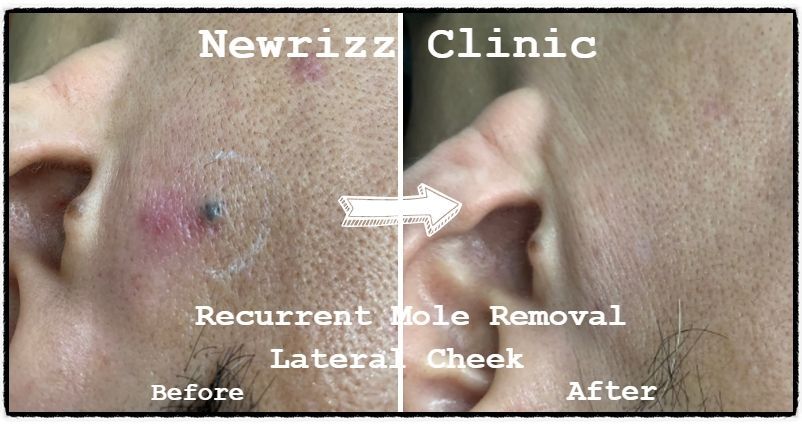
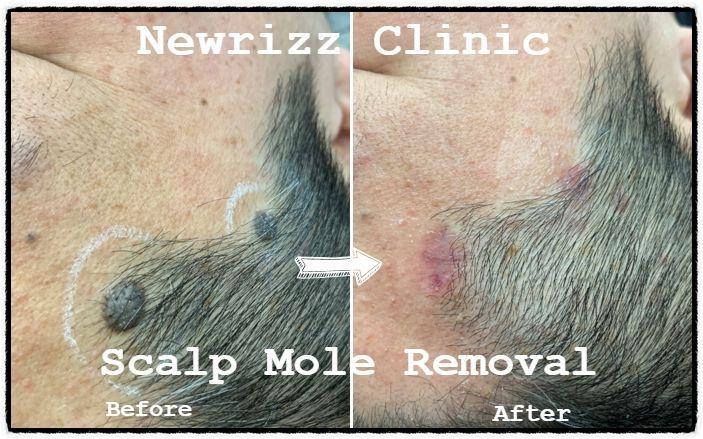
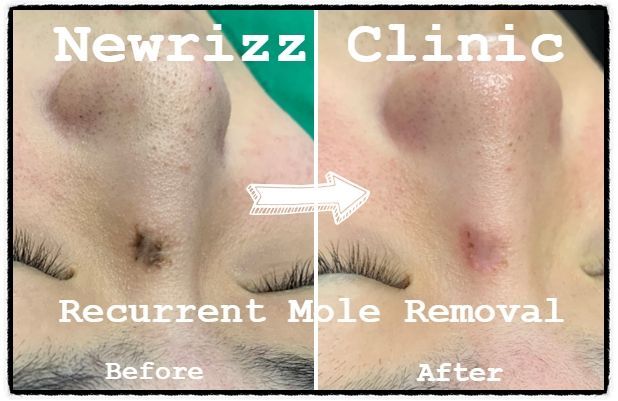
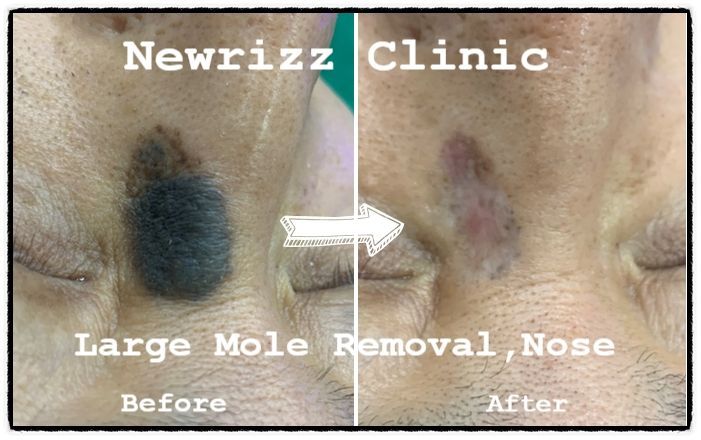
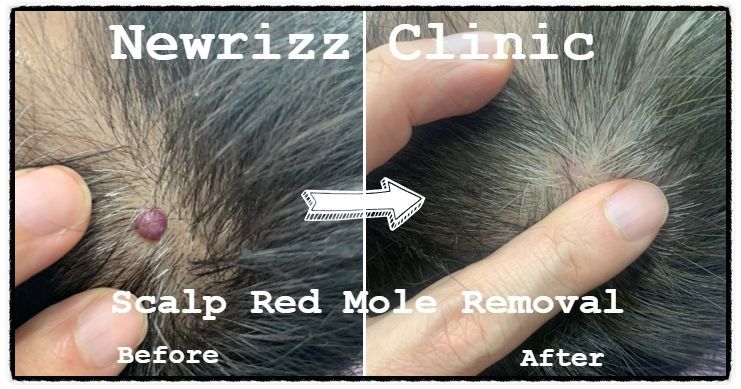
Laser Mole Removal
Commonly used for superficial or cosmetic moles.
CO2 Laser Removal
Frequently recommended for raised lesions.
Surgical Excision
Often used for large, deep, or suspicious moles.
When Should You See a Dermatologist?
You should schedule an evaluation if a lesion:
- Changes in appearance
- Grows rapidly
- Bleeds
- Itches persistently
- Becomes painful
- Develops irregular borders
- Has multiple colors
- Appears significantly different from surrounding lesions
Professional diagnosis helps ensure appropriate treatment and peace of mind.
Why Korean Dermatology Clinics Are Popular for Skin Lesion Evaluation
Korean dermatology clinics are known for:
- Advanced dermoscopic technology
- Accurate diagnosis of skin lesions
- Cosmetic-focused treatment options
- Experienced dermatologists
- Scar-minimization techniques
- Foreigner-friendly services
Many international patients seek evaluation and removal of moles, seborrheic keratoses, and other benign skin growths while visiting Korea.
Final Thoughts
Seborrheic keratoses and moles are both common skin lesions, but they differ significantly in their origin, appearance, and treatment. Seborrheic keratoses often have a waxy, rough, "stuck-on" appearance, while moles arise from pigment-producing cells and tend to appear smoother and more uniform.
Because these lesions can sometimes resemble one another—or even mimic skin cancer—an evaluation by an experienced dermatologist is the best way to obtain an accurate diagnosis and determine whether treatment is necessary.