Eyelid Mole Removal: Safety and Treatment Options
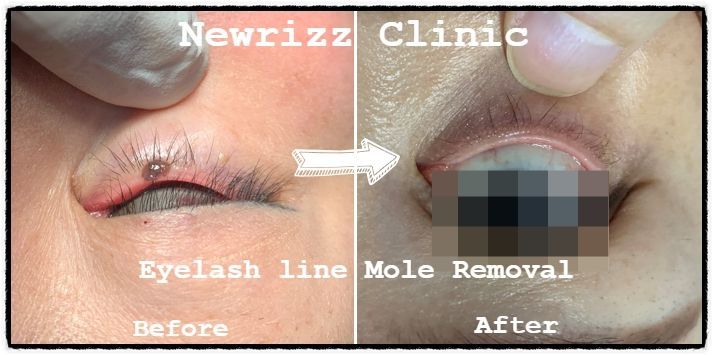
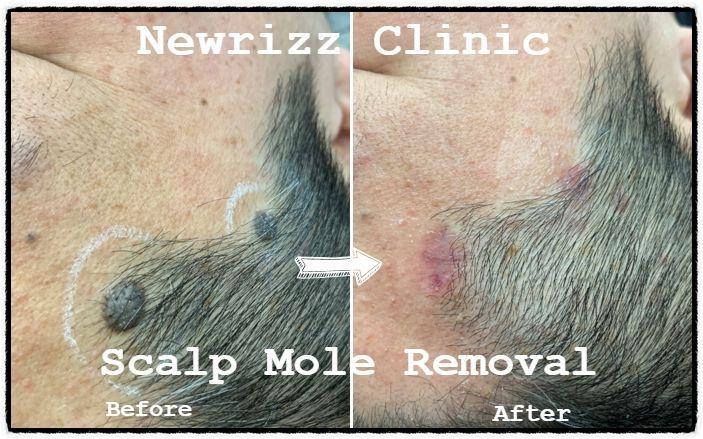
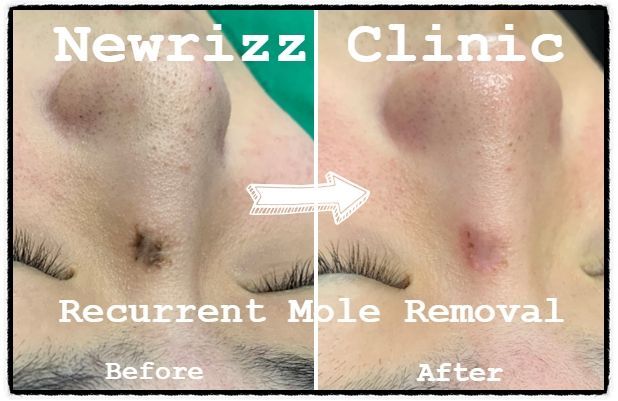
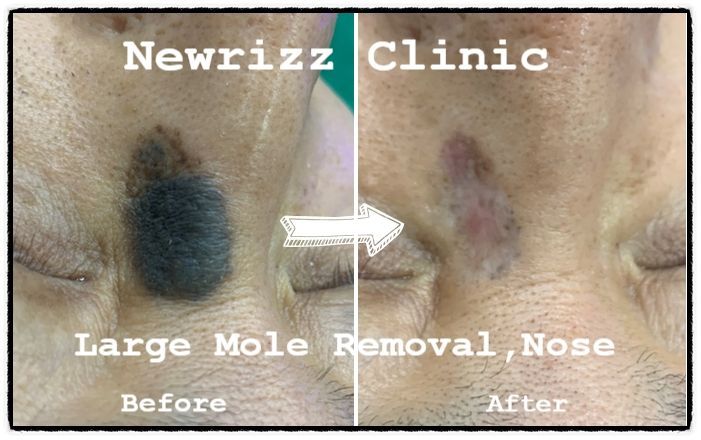
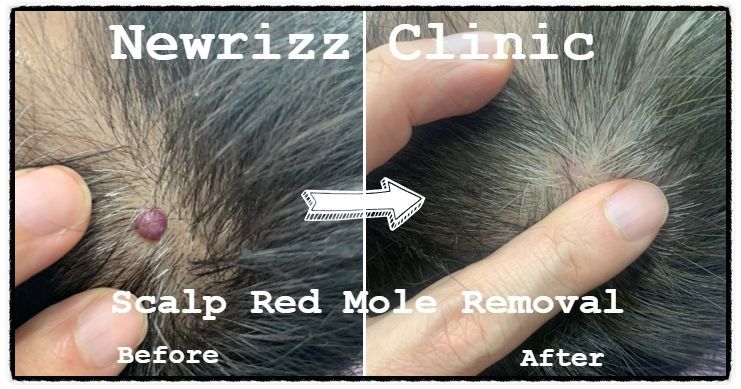
Eyelid mole removal requires specialized expertise because the skin around the eyes is extremely delicate and sensitive. Korean dermatology clinics use advanced laser and surgical techniques to safely remove eyelid moles while protecting surrounding tissues and minimizing scarring. The best treatment method depends on the mole's size, depth, location, and proximity to the eye.

Eyelid Mole Removal: Safety and Treatment Options
Moles on the eyelids can be both a cosmetic concern and a source of irritation. Because the eyes are one of the most prominent facial features, even a small mole on the upper or lower eyelid can attract attention and affect facial appearance.
Unlike moles on other areas of the face, eyelid moles require special consideration due to the thin skin, complex anatomy, and close proximity to the eye itself. For this reason, eyelid mole removal should always be performed by an experienced dermatologist or specialist familiar with treatments around the eye area.
Why Patients Choose Eyelid Mole Removal
Patients commonly seek eyelid mole removal for:
- Cosmetic improvement
- Smoother eyelid appearance
- Reduced irritation
- Improved makeup application
- Better facial symmetry
- Removal of raised lesions that rub against the skin
- Evaluation of changing or suspicious moles
Many patients report increased confidence and a more refreshed appearance after treatment.
Common Types of Eyelid Moles
Flat Pigmented Moles
These moles are typically small and lie close to the skin surface.
Raised Moles
Raised lesions may protrude from the eyelid and become more noticeable.
Skin-Colored Moles
Some eyelid moles have little pigmentation and appear flesh-colored.
Congenital Moles
These moles have been present since birth and may gradually enlarge over time.
Deep Moles
Some lesions extend deeper into the skin and may require more advanced treatment approaches.
Why Eyelid Mole Removal Requires Special Care
The eyelid area presents unique challenges because:
- The skin is among the thinnest on the body
- The eyes must be protected during treatment
- Scarring can be more noticeable
- Healing affects a highly visible facial area
- Eyelid function must be preserved
An experienced dermatologist carefully evaluates these factors before recommending treatment.
Treatment Options for Eyelid Mole Removal
Laser Mole Removal
Laser treatment is often suitable for:
- Small moles
- Superficial lesions
- Flat pigmented moles
Benefits include:
- High precision
- Minimal tissue damage
- Reduced downtime
- Excellent cosmetic outcomes
Special eye protection is used throughout the procedure.
CO2 Laser Removal
CO2 lasers are commonly used for:
- Raised eyelid moles
- Small protruding lesions
- Cosmetic mole removal
The laser removes tissue layer by layer, allowing precise treatment while minimizing disruption to surrounding skin.
Surgical Excision
Surgical removal may be recommended for:
- Larger moles
- Deeply rooted lesions
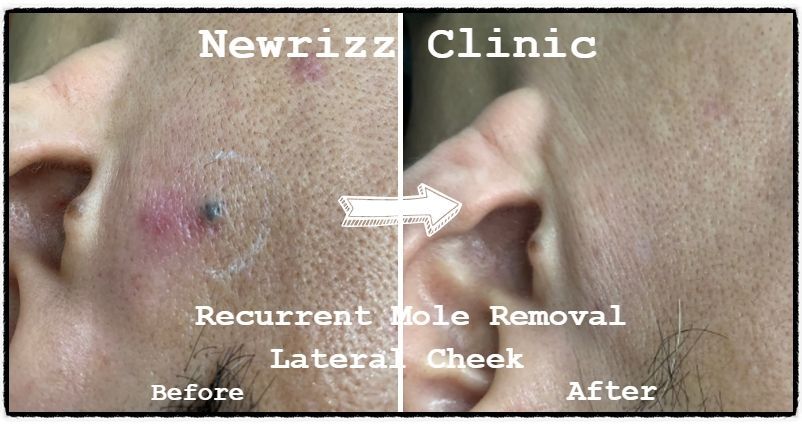
- Recurrent moles
- Suspicious moles requiring biopsy
This method allows complete removal and laboratory evaluation when necessary.
Safety Measures During Eyelid Mole Removal
Comprehensive Evaluation
The mole is assessed for size, depth, location, and proximity to the eye.
Protective Eye Shields
Specialized eye protection may be used during laser treatment to safeguard the eyes.
Precise Treatment Planning
The dermatologist carefully selects the safest and most effective treatment method.
Experienced Technique
Because the eyelid is a delicate structure, treatment precision is critical for both safety and cosmetic outcomes.
What Happens During the Procedure?
Consultation
The dermatologist evaluates the lesion and discusses treatment options.
Anesthesia
Topical numbing cream or local anesthesia is applied.
Mole Removal
The lesion is removed using laser technology or surgical techniques.
Post-Treatment Care
Detailed aftercare instructions are provided to support healing.
Most procedures are completed during a single outpatient visit.
Is Eyelid Mole Removal Painful?
Most patients experience very little discomfort.
During treatment, patients may feel:
- Mild pressure
- Slight warmth
- Temporary stinging from anesthesia
Modern numbing techniques make the procedure comfortable for most individuals.
Recovery After Eyelid Mole Removal
First Few Days
Patients may experience:
- Mild swelling
- Temporary redness
- Minor tenderness
Because eyelid skin is thin, mild swelling can appear more noticeable initially.
First Week
Healing progresses with:
- Formation of a small scab
- Reduction in swelling
- Gradual skin repair
Two to Four Weeks
Most patients notice:
- Significant healing
- Improved skin texture
- Reduced redness
Several Months
Scar remodeling continues beneath the skin, with cosmetic results gradually improving over time.
Will Eyelid Mole Removal Leave a Scar?
Any skin procedure has the potential to leave a scar, but modern dermatologic techniques are designed to minimize visible scarring.
Factors influencing scar formation include:
- Mole size
- Mole depth
- Treatment method
- Individual healing response
- Aftercare quality
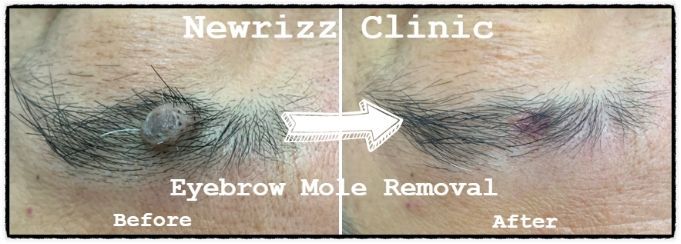
Many patients experience excellent cosmetic outcomes with minimal visible evidence of treatment.
How to Minimize Scarring
Follow Aftercare Instructions
Proper wound care supports optimal healing.
Avoid Picking the Area
Allow scabs to fall off naturally.
Protect Healing Skin
Sun protection is important once healing permits.
Attend Follow-Up Appointments
Your dermatologist can monitor recovery and address any concerns early.
Can Eyelid Moles Grow Back?
In some cases, a mole can recur if deeper mole cells remain beneath the skin.
Recurrence depends on:
- Mole depth
- Removal technique
- Individual skin characteristics
Deeper lesions generally have a higher likelihood of recurrence than superficial moles.
Why Foreign Patients Choose Korea for Eyelid Mole Removal
Korean dermatology clinics are recognized for:
- Advanced laser technology
- Expertise in facial mole removal
- Precision treatment techniques
- Scar-minimization protocols
- Natural cosmetic outcomes
- Foreigner-friendly services
Many international patients seek treatment in Seoul because of the high level of experience with cosmetically sensitive facial procedures.
Final Thoughts
Eyelid mole removal can safely improve appearance and comfort when performed by an experienced dermatologist. Because the eyelid area is delicate and highly visible, proper evaluation and treatment planning are essential. Modern Korean dermatology clinics offer advanced laser and surgical options that prioritize both safety and cosmetic outcomes.
With expert care and proper aftercare, most patients achieve smooth healing, minimal scarring, and natural-looking results after eyelid mole removal.