Is Mole Removal Painful? What to Expect During Treatment
Mole removal is generally well tolerated and most patients experience little to no pain during the procedure thanks to topical numbing cream or local anesthesia. The level of discomfort depends on the size, depth, and removal method used. Korean dermatology clinics use advanced techniques to make mole removal quick, comfortable, and effective.

Is Mole Removal Painful? What to Expect During Treatment
One of the most common concerns patients have before mole removal is whether the procedure will be painful. Fortunately, modern dermatology techniques have made mole removal much more comfortable than many people expect.
Whether you're removing a small flat mole or a larger raised mole, Korean dermatology clinics prioritize patient comfort through advanced technology, effective anesthesia, and minimally invasive treatment methods.
If you're considering mole removal, here's what you can realistically expect before, during, and after treatment.
Does Mole Removal Hurt?
For most patients, mole removal causes minimal discomfort.
Before treatment begins, the dermatologist typically applies topical numbing cream or administers local anesthesia to reduce sensation in the treatment area.
Because the skin is properly numbed, most patients report feeling:
- Mild pressure
- Slight warmth
- Minor vibration sensations
- Occasional brief stinging
Significant pain during treatment is uncommon.
Pain Levels by Mole Removal Method
Laser Mole Removal
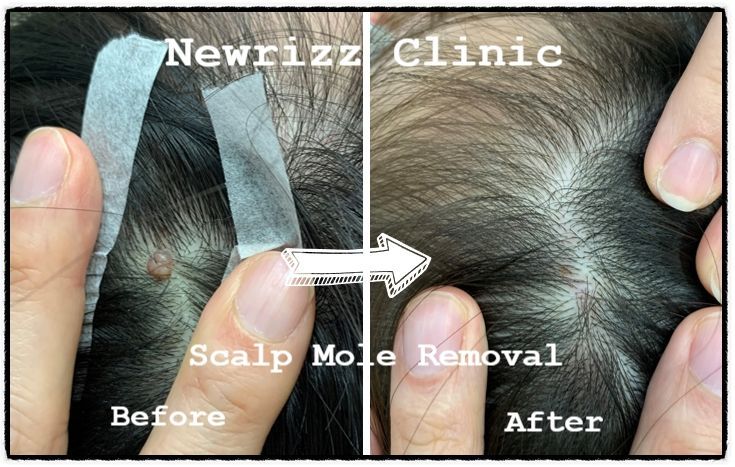
Laser mole removal is one of the most comfortable treatment options.
Patients typically experience:
- Mild warmth
- Light snapping sensations
- Minimal discomfort
- Short treatment duration
When numbing cream is used, many patients describe the procedure as easier than expected.
CO2 Laser Mole Removal
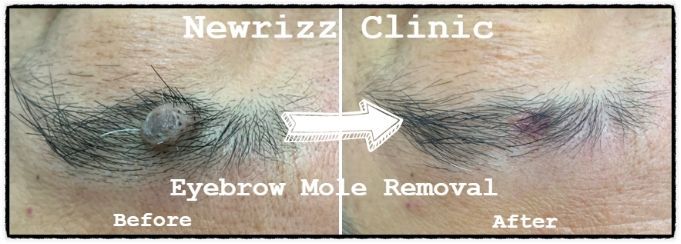
CO2 laser treatment is frequently used for raised moles.
Because the laser removes tissue layer by layer, local anesthesia may be recommended for larger lesions.
Most patients feel:
- Mild pressure
- Temporary warmth
- Little to no actual pain
Surgical Excision
For larger or deeper moles, surgical excision may be necessary.
Local anesthesia completely numbs the area before treatment.
Patients may notice:
- Pressure
- Tugging sensations
- Movement around the treatment area
However, sharp pain is generally not felt during the procedure.
What Happens Before Treatment?
Consultation
Your dermatologist examines the mole and determines the best removal method.
Numbing Process
Depending on the procedure, the clinic may use:
- Topical anesthetic cream
- Local anesthetic injection
- Combination anesthesia
The numbing process typically takes 20 to 30 minutes when topical anesthesia is used.
Treatment Planning
The dermatologist explains the procedure, expected healing timeline, and aftercare instructions.
What Does the Anesthetic Injection Feel Like?
For patients requiring local anesthesia, the injection is often the most uncomfortable part of the entire procedure.
Most patients describe it as:
- A quick pinch
- Mild burning for a few seconds
- Temporary stinging sensation
After the anesthetic takes effect, the treatment area becomes numb and comfortable.
What Happens During Mole Removal?
Small Moles
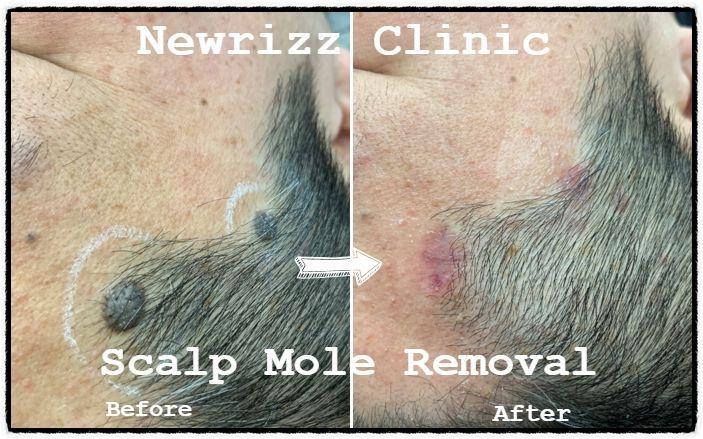
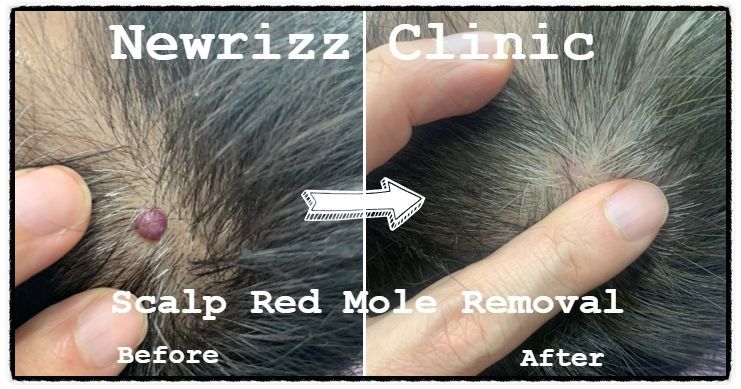
Small moles can often be removed within minutes.
Patients usually feel:
- Very little discomfort
- Mild pressure
- Brief warmth from the laser
Large or Deep Moles
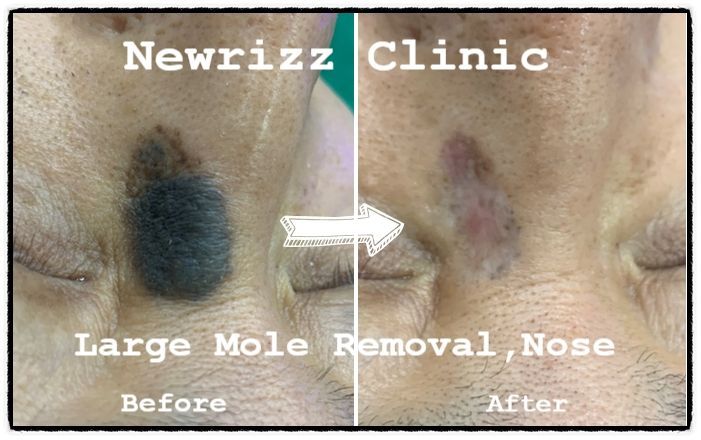
Larger moles may require more extensive treatment.
Even in these cases, anesthesia helps keep the procedure comfortable.
Most patients are surprised by how quick and painless the process feels.
Is Facial Mole Removal More Painful?
Not necessarily.
Facial skin can be more sensitive than other areas of the body, but modern anesthetic techniques are highly effective.
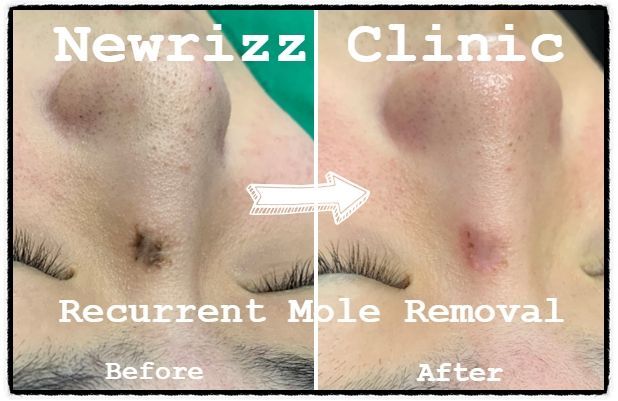
Because facial mole removal is performed so frequently in Korean dermatology clinics, doctors have extensive experience minimizing discomfort while achieving excellent cosmetic outcomes.
What Does Recovery Feel Like?
After treatment, patients may experience:
Mild Tenderness
The area may feel similar to a small scrape or superficial wound.
Slight Burning Sensation
Some patients notice mild warmth or sensitivity for several hours.
Temporary Redness
Redness is a normal part of the healing process.
Minor Swelling
Small amounts of swelling may occur, particularly after removal of larger moles.
Most symptoms are mild and improve rapidly over the first few days.
How Long Does Discomfort Last?
For most patients:
- Mild tenderness lasts 1 to 3 days
- Small wounds heal within 1 to 2 weeks
- Larger treatment areas may take several weeks to fully recover
Pain severe enough to interfere with daily activities is uncommon.
Tips to Make Mole Removal More Comfortable
Follow Aftercare Instructions
Proper wound care helps minimize irritation during healing.
Avoid Touching the Area
Repeated touching can increase sensitivity and delay healing.
Use Recommended Ointments
Moist wound healing often improves comfort and recovery.
Protect the Skin from Sun Exposure
Sun protection supports better healing and reduces pigmentation risks.
Why Patients Choose Korean Dermatology Clinics
Foreign patients frequently visit Korea for mole removal because of:
- Advanced laser systems
- Experienced dermatologists
- Comfortable treatment protocols
- Minimal downtime
- Competitive pricing
- Natural cosmetic results
- Foreigner-friendly services
Many clinics perform mole removal procedures daily and have extensive experience treating both Asian and international patients.
Final Thoughts
Mole removal is generally not considered a painful procedure. Thanks to topical numbing cream, local anesthesia, and advanced laser technology, most patients experience only minimal discomfort during treatment. While some temporary tenderness may occur during recovery, the procedure is usually quick, well tolerated, and far easier than many people expect.
For patients seeking safe, effective, and comfortable mole removal, Korean dermatology clinics offer advanced treatment options designed to maximize results while minimizing discomfort and downtime.