Laser Mole Removal vs Surgical Excision: Pros and Cons
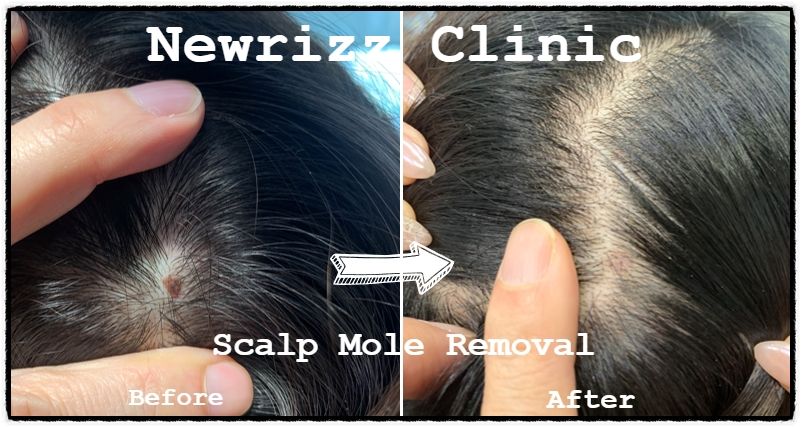
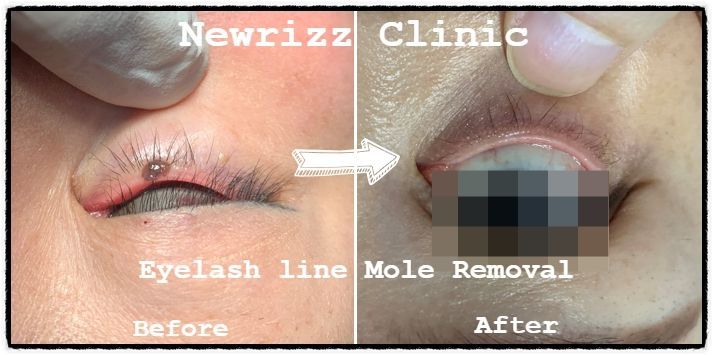
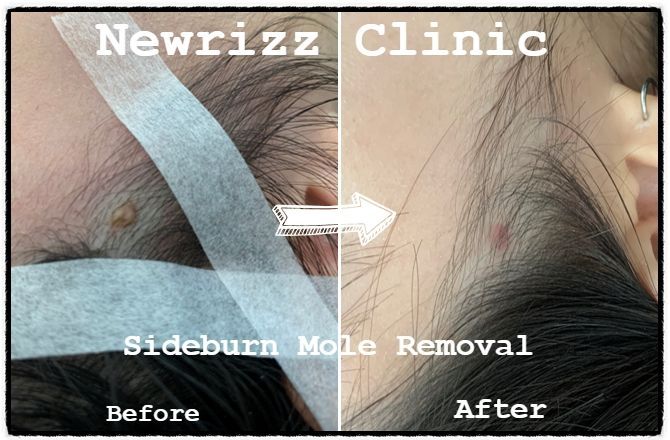
Laser mole removal and surgical excision are two of the most common treatments for removing facial and body moles. Laser treatment offers minimal downtime and excellent cosmetic results for many superficial moles, while surgical excision may be preferred for larger, deeper, or suspicious lesions. The best option depends on the mole's size, depth, location, and your treatment goals.

Laser Mole Removal vs Surgical Excision: Pros and Cons
If you're considering mole removal, one of the first decisions you'll face is choosing between laser mole removal and surgical excision. Both methods are widely used in Korean dermatology clinics and can provide excellent results when selected appropriately.
The ideal treatment depends on several factors, including the mole's depth, size, location, and whether cosmetic appearance or complete removal is the primary goal.
Understanding the advantages and limitations of each method can help you make a more informed decision.
Why Mole Removal Method Matters
Not all moles are the same.
Some moles are:
- Small and superficial
- Flat and pigmented
- Deeply rooted
- Raised above the skin
- Congenital (present since birth)
- Located in highly visible facial areas
Because mole characteristics vary significantly, dermatologists customize treatment plans to achieve the safest and most aesthetically pleasing outcome.
What Is Laser Mole Removal?
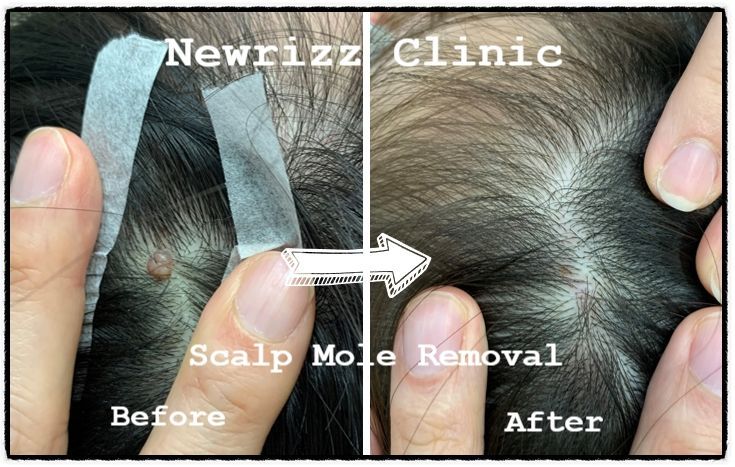
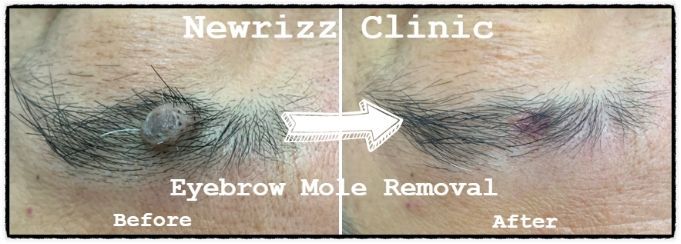
Laser mole removal uses specialized laser technology to target and remove mole tissue with high precision.
In Korea, CO2 lasers and other dermatologic laser systems are commonly used for mole treatment.
The laser gradually removes unwanted tissue while minimizing damage to surrounding skin.
Pros of Laser Mole Removal
Minimal Scarring
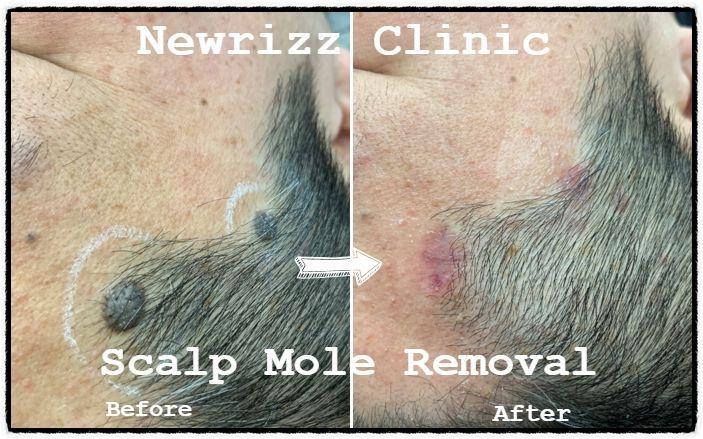
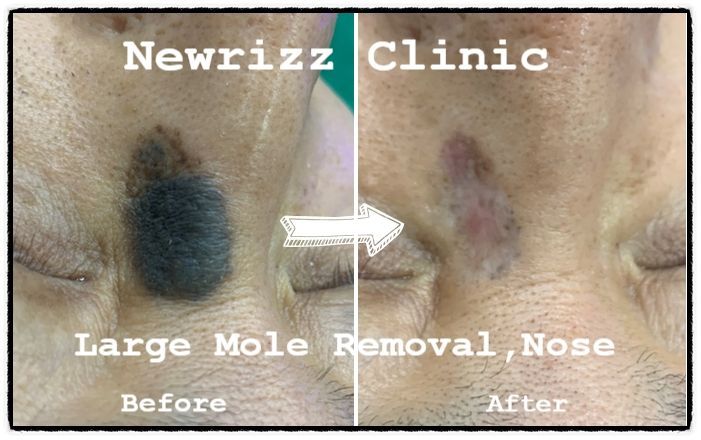
One of the biggest advantages of laser treatment is its ability to minimize visible scarring, especially for facial moles.
Quick Procedure
Most laser treatments are completed within minutes.
Minimal Downtime
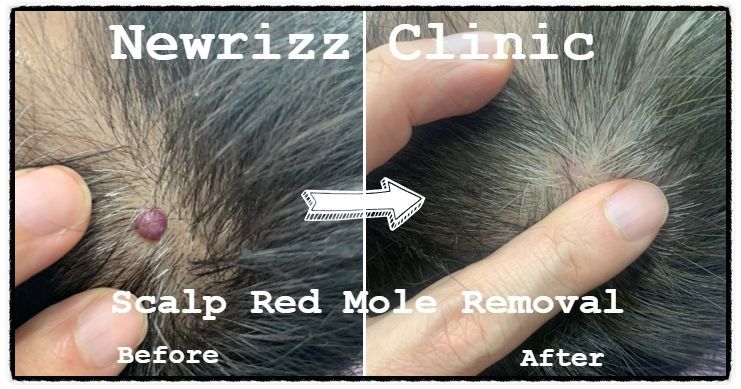
Patients can usually return to daily activities shortly after treatment.
Excellent Cosmetic Results
Laser technology allows precise treatment, making it popular for cosmetically sensitive areas such as the face.
Multiple Moles Can Be Treated
Patients often remove several moles during a single visit.
No Surgical Stitches
Most laser-treated moles do not require sutures.
Cons of Laser Mole Removal
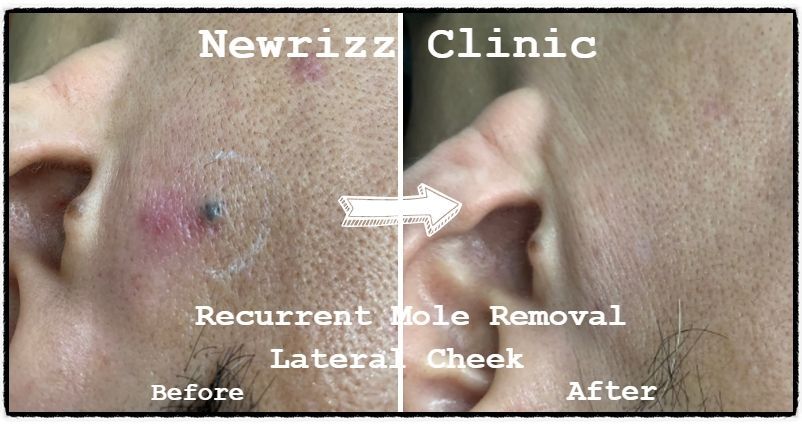
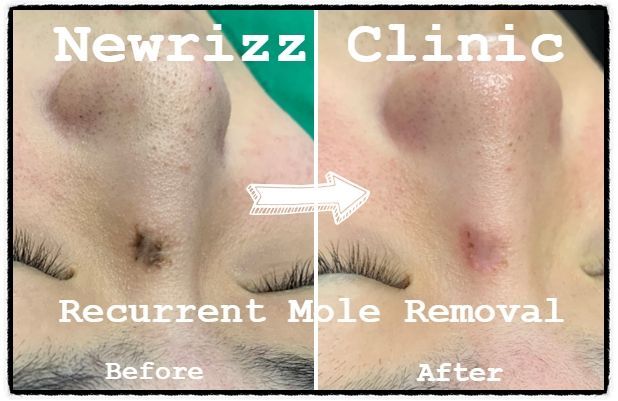
Potential Recurrence
Deep mole cells may remain beneath the skin, increasing the possibility of regrowth.
Multiple Sessions May Be Needed
Some larger or deeper moles require more than one treatment session.
Not Ideal for Every Mole
Very large, deep, or suspicious moles may not be suitable candidates.
Limited Tissue Analysis
Laser treatment may not provide a complete tissue specimen for pathological examination.
What Is Surgical Excision?
Surgical excision involves physically cutting out the mole along with a small margin of surrounding tissue.
The wound is then closed with stitches to promote healing.
This technique is commonly used for larger or deeper lesions.
Pros of Surgical Excision
Complete Removal
Surgical excision offers the highest likelihood of removing all mole cells.
Lower Recurrence Rate
Because the entire mole is removed, recurrence is generally less common.
Suitable for Deep Moles
Deeply rooted lesions often respond better to surgical treatment.
Pathology Examination
Removed tissue can be sent for laboratory analysis when medically indicated.
Effective for Large Lesions
Large facial moles and congenital moles may be better suited for excision.
Cons of Surgical Excision
Greater Scar Risk
Because the skin is cut and stitched, surgical scars are generally more noticeable than laser-treated scars.
Longer Recovery
Healing may take longer compared with laser treatment.
Stitch Removal
Patients may require a follow-up visit for suture removal.
Slightly More Downtime
Swelling and healing time can be more significant after excision.
Which Method Is Better for Facial Moles?
The answer depends on the mole itself.
Laser Removal May Be Better For:
- Small flat moles
- Superficial pigmented lesions
- Multiple facial moles
- Cosmetic-focused treatment
- Patients prioritizing minimal scarring
Surgical Excision May Be Better For:
- Large raised moles
- Deep moles
- Congenital moles
- Recurrent moles
- Suspicious lesions requiring evaluation
An experienced dermatologist will assess the depth and characteristics of the mole before recommending treatment.
Recovery Comparison
Laser Mole Removal Recovery
Most patients experience:
- Mild redness
- Temporary scabbing
- Minimal discomfort
- Healing within one to two weeks
Surgical Excision Recovery
Patients may experience:
- Swelling
- Sutures
- Slightly longer healing
- Gradual scar maturation over several months
Both procedures generally have manageable recovery periods when proper aftercare is followed.
Which Method Leaves Less Scarring?
For many patients, laser treatment produces less noticeable scarring, especially for smaller moles.
However, scar visibility depends on:
- Mole size
- Mole depth
- Skin type
- Treatment technique
- Healing response
- Sun protection during recovery
A poorly treated deep mole may leave more noticeable changes than a carefully performed surgical excision.
Which Option Is More Cost-Effective?
The overall cost depends on:
- Number of moles
- Mole size
- Treatment complexity
- Clinic expertise
- Follow-up requirements
Small moles are often treated efficiently with laser procedures, while larger lesions may justify surgical treatment due to lower recurrence rates.
Why Patients Choose Korean Dermatology Clinics
Korean skin clinics are known for:
- Advanced laser technology
- Experienced dermatologists
- Personalized treatment planning
- Scar minimization techniques
- Natural cosmetic outcomes
- Foreigner-friendly services
Many international patients visit Seoul specifically for mole removal because of the combination of expertise, technology, and affordability.
Final Thoughts
Both laser mole removal and surgical excision are highly effective treatments when used appropriately. Laser treatment offers excellent cosmetic outcomes and minimal downtime for many superficial moles, while surgical excision provides more complete removal for larger, deeper, or medically complex lesions.
The best approach is not choosing the most popular treatment but selecting the treatment that best matches the characteristics of your mole. A consultation with an experienced Korean dermatologist can help determine the safest and most effective option for achieving smooth, natural-looking results.