Mole Removal Scars: How to Minimize Scarring
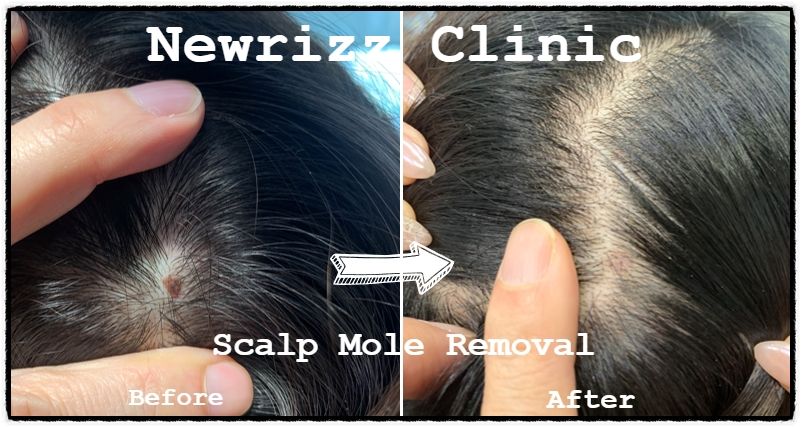
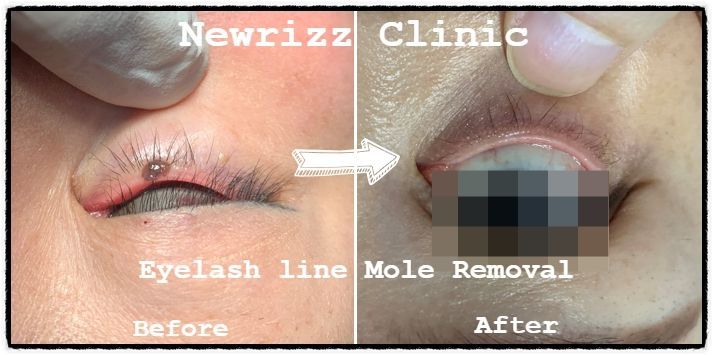
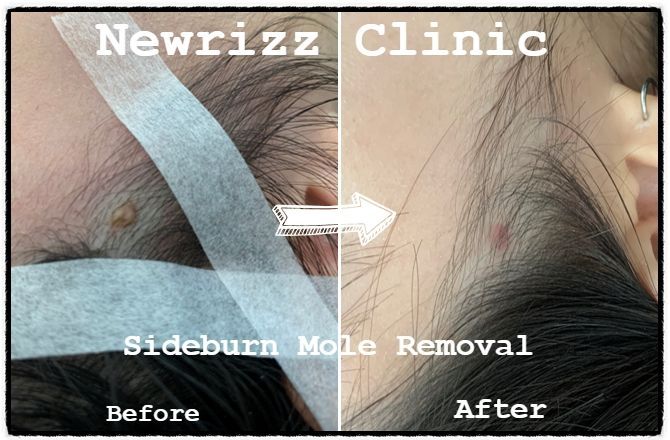
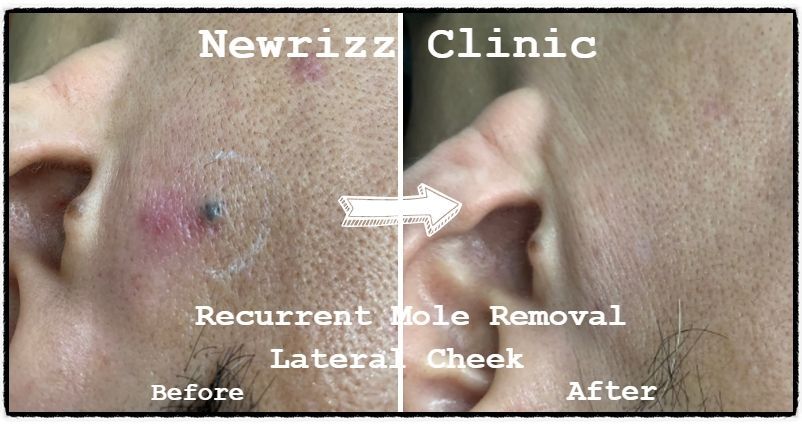
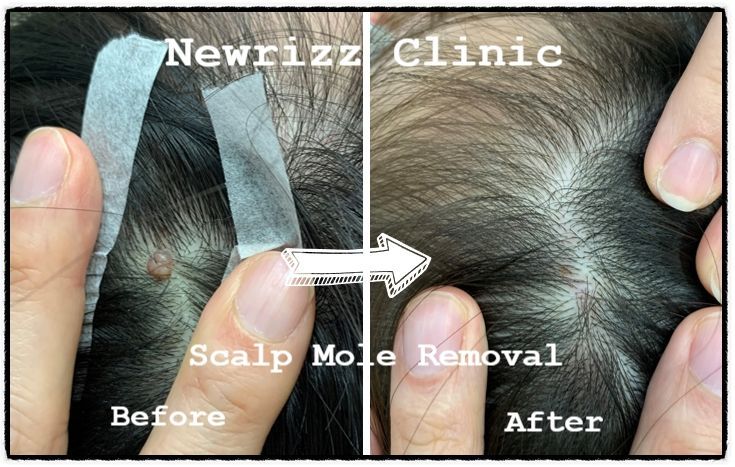
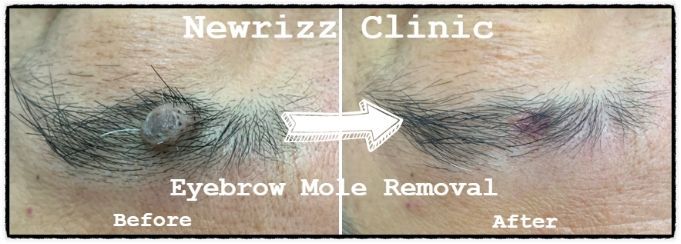
Mole removal scars can be minimized with proper treatment techniques, expert aftercare, and consistent sun protection. The risk of scarring depends on the mole's size, depth, location, and removal method. Korean dermatology clinics use advanced laser technology and scar management protocols to help patients achieve smooth, natural-looking results.

Mole Removal Scars: How to Minimize Scarring
One of the biggest concerns patients have before mole removal is whether the procedure will leave a visible scar. While any treatment that removes skin tissue has the potential to create some degree of scarring, modern dermatology techniques can significantly reduce this risk.
At Korean dermatology clinics, mole removal is performed with a strong focus on cosmetic outcomes. Advanced laser systems, precise removal techniques, and specialized aftercare protocols help patients achieve the best possible healing results.
If you're considering mole removal, understanding how scars form and how to minimize them can help you achieve smoother, clearer skin.
Does Mole Removal Always Leave a Scar?
Not necessarily.
Many small moles heal with little to no noticeable scarring, especially when treated by an experienced dermatologist.
However, every patient's skin heals differently, and some degree of tissue repair occurs whenever a mole is removed.
The goal is not only to remove the mole but also to ensure the skin heals as naturally and evenly as possible.
What Determines Scar Formation?
Several factors influence whether a scar develops after mole removal.
Mole Size
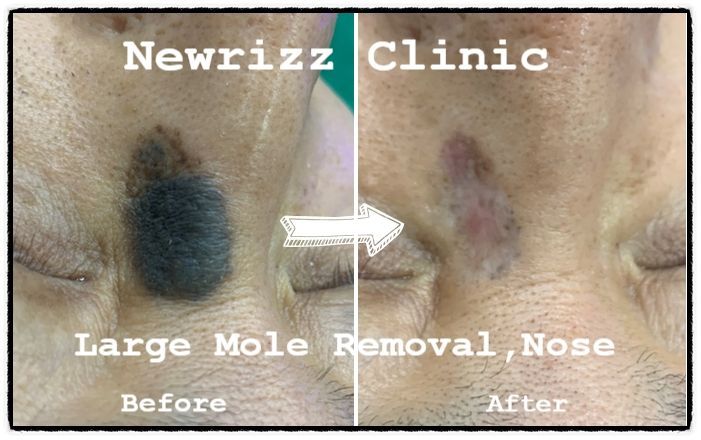
Larger moles generally create larger treatment areas and may carry a higher risk of visible scarring.
Mole Depth
Deeply rooted moles often require more extensive removal, increasing the likelihood of scar formation.
Mole Location
Areas exposed to frequent movement or tension may heal differently than more stable areas of the face.
Removal Method
Laser mole removal, CO2 laser treatment, and surgical excision each have different healing characteristics.
Skin Type
Some individuals naturally produce more noticeable scars than others.
Aftercare Compliance
Proper wound care is one of the most important factors affecting final cosmetic outcomes.
Types of Scars After Mole Removal
Flat Scar
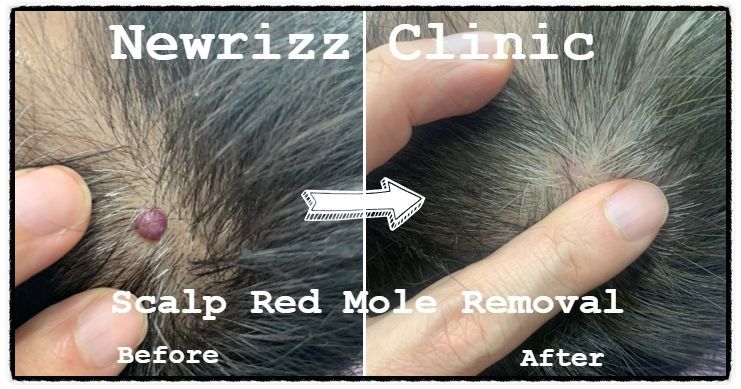
A flat scar is usually the most desirable outcome and often becomes difficult to notice over time.
Pink or Red Mark
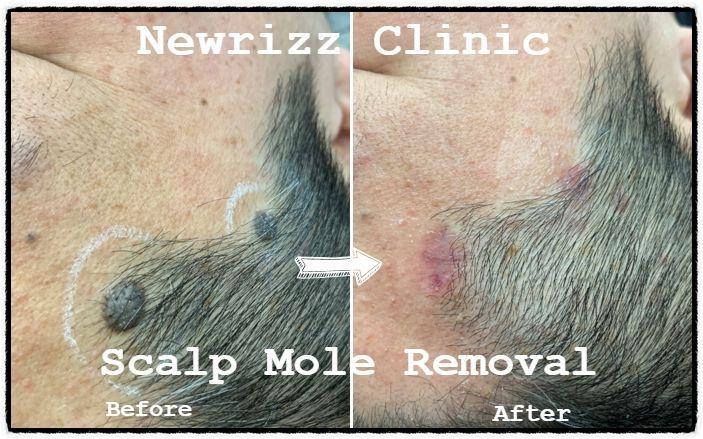
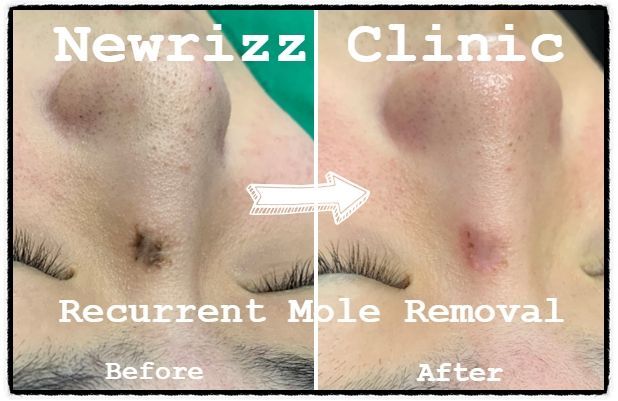
Temporary redness is common during the healing process and may gradually fade over several months.
Hyperpigmentation
Some patients develop temporary darkening of the treated area, especially after sun exposure.
Hypopigmentation
In some cases, the treated area may appear lighter than the surrounding skin.
Raised Scar
Although uncommon, certain individuals may develop raised scars due to their natural healing response.
Which Mole Removal Method Leaves the Least Scarring?
Laser Mole Removal
Laser treatment is often preferred for small and superficial moles because it can provide excellent cosmetic outcomes with minimal tissue damage.
Benefits include:
- Precise treatment
- Minimal disruption to surrounding skin
- Faster healing
- Reduced scar visibility
CO2 Laser Removal
CO2 laser technology is commonly used for raised moles and offers precise tissue removal with good cosmetic results.
Surgical Excision
Surgical excision may leave a linear scar but is often necessary for larger, deeper, or suspicious moles.
An experienced dermatologist will select the treatment method that balances complete removal with optimal cosmetic healing.
How to Minimize Scarring After Mole Removal
Follow Aftercare Instructions Carefully
The first few weeks after treatment are critical for proper healing.
Patients should closely follow all wound care instructions provided by their dermatologist.
Keep the Area Moisturized
Moist wound healing often supports better cosmetic outcomes than allowing the wound to dry excessively.
Your clinic may recommend specialized healing ointments.
Avoid Picking Scabs
Removing a scab prematurely can disrupt healing and significantly increase the risk of visible scarring.
Allow the scab to fall off naturally.
Protect the Area from Sun Exposure
Sun exposure is one of the most common causes of prolonged redness and post-inflammatory pigmentation.
Daily sunscreen use is essential during recovery.
Avoid Irritating Products
Strong exfoliants, acids, retinoids, and harsh skincare products should be avoided until healing is complete.
Attend Follow-Up Visits
Regular monitoring allows your dermatologist to assess healing and recommend additional scar management if needed.
How Long Does It Take for Scars to Fade?
First Few Weeks
The area may appear red, pink, or slightly darker than the surrounding skin.
One to Three Months
Redness gradually decreases and the skin begins to blend more naturally.
Three to Six Months
Most scar remodeling occurs during this period.
Six to Twelve Months
Final cosmetic results become more apparent as collagen continues to mature.
Patience is important because scar improvement often continues long after the surface appears healed.
Scar Treatments After Mole Removal
Some patients benefit from additional treatments designed to improve scar appearance.
These may include:
Laser Scar Treatment
Specialized lasers can reduce redness and improve skin texture.
Fractional Laser Resurfacing
Fractional lasers stimulate collagen remodeling and support smoother skin.
Microneedling
Microneedling may improve texture and encourage natural skin regeneration.
Scar Management Programs
Customized treatment plans can address pigmentation, texture, and residual redness.
Why Korean Dermatology Clinics Are Popular for Mole Removal
Korean dermatology clinics are known for:
- Advanced laser technology
- Scar-minimization expertise
- Personalized treatment planning
- Cosmetic-focused mole removal
- Experienced dermatologists
- Foreigner-friendly services
Many international patients choose Korea because of the emphasis placed on both mole removal and aesthetic healing.
Final Thoughts
Mole removal scars can often be minimized through proper treatment selection, expert technique, and careful aftercare. While some temporary redness or pigmentation changes are normal during recovery, most patients experience gradual improvement over time.
By choosing an experienced Korean dermatologist, protecting the skin from sun exposure, and following recommended aftercare instructions, you can significantly improve healing and achieve smoother, more natural-looking results after mole removal.