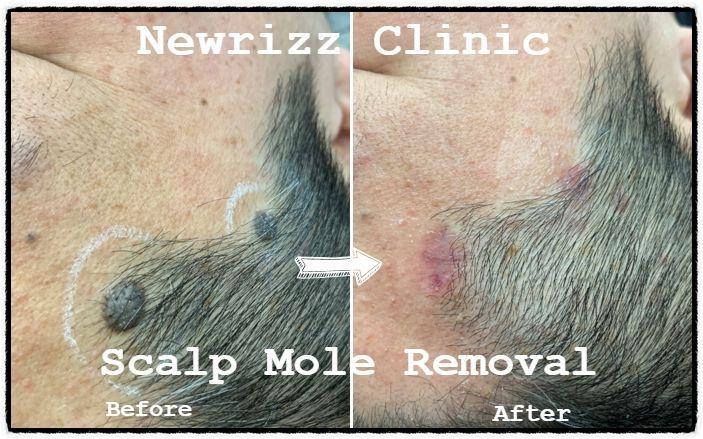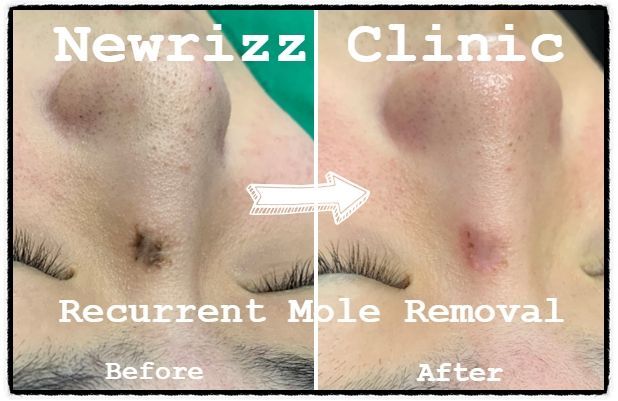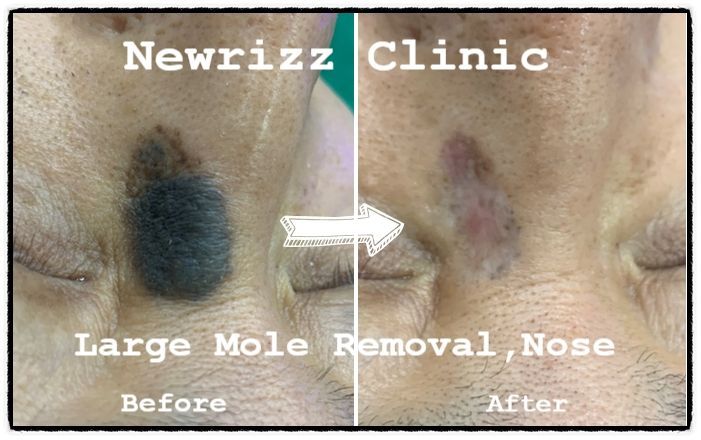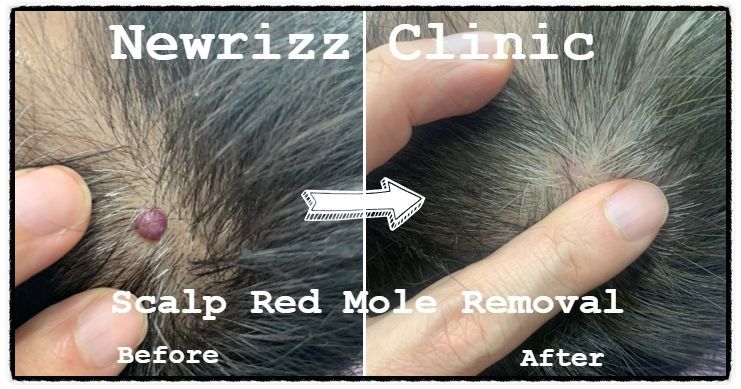
How Long Does Mole Removal Recovery Take?
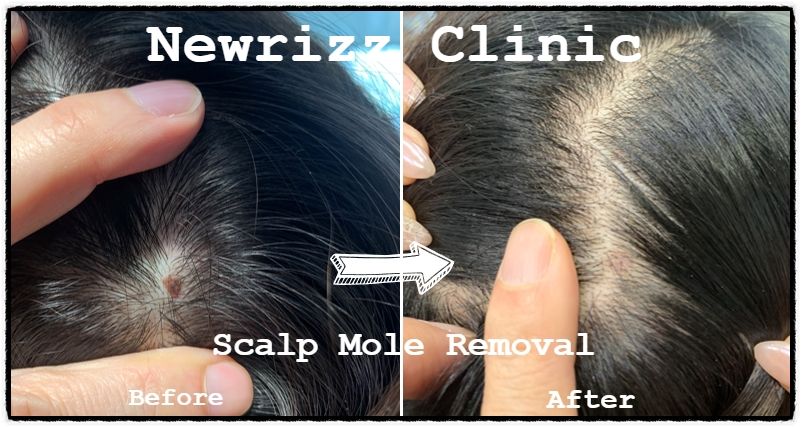
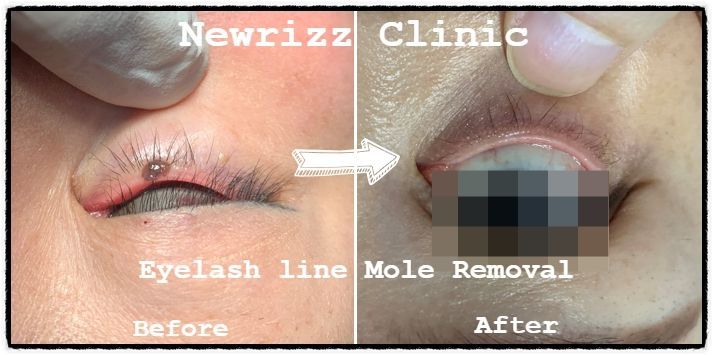
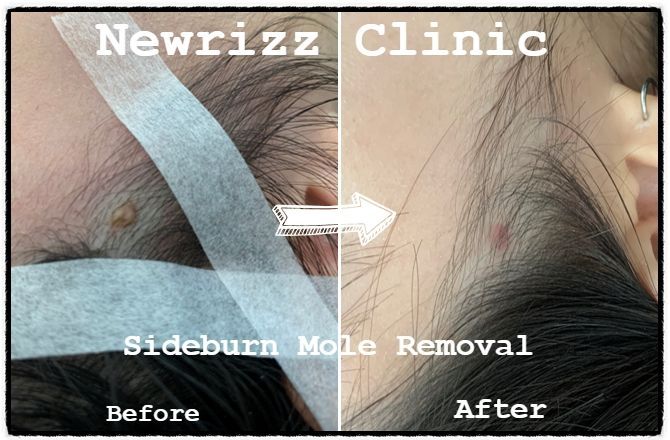
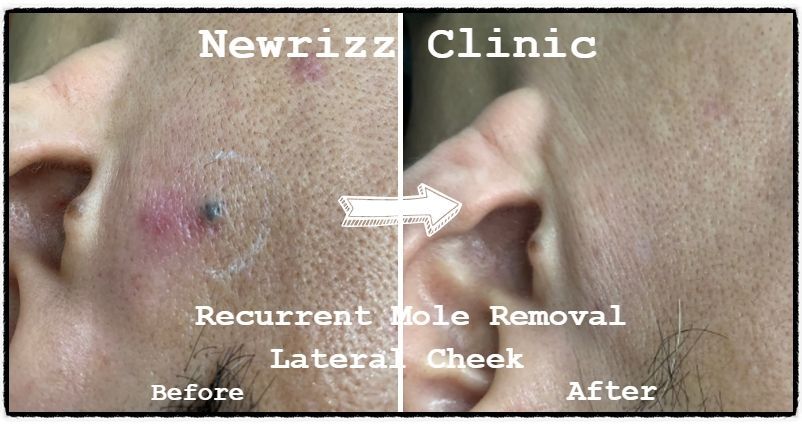
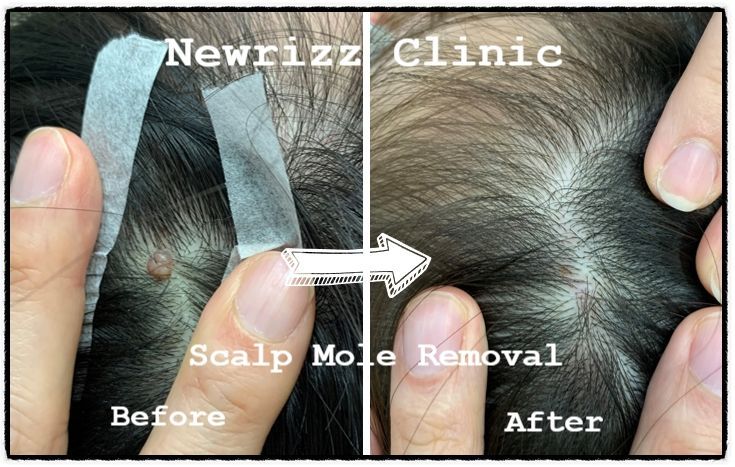
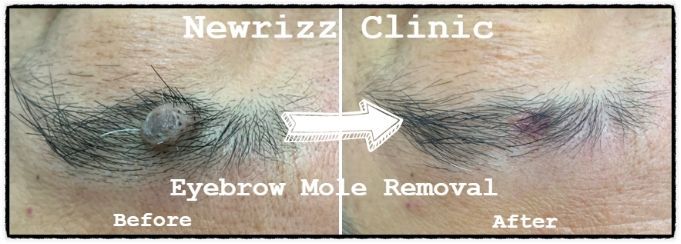
Most mole removal sites heal within 1 to 2 weeks, but complete skin recovery and scar maturation can take several months. Recovery time depends on the mole's size, depth, location, and removal method. Korean dermatology clinics use advanced laser and surgical techniques to promote faster healing and minimize visible scarring.

How Long Does Mole Removal Recovery Take?
One of the most common questions patients ask before treatment is how long it takes to recover after mole removal. While the procedure itself is usually quick, the healing process continues long after you leave the clinic.
The good news is that most patients can return to normal daily activities immediately after treatment. However, understanding the full recovery timeline can help you set realistic expectations and achieve the best cosmetic results.
Does Mole Removal Require Downtime?
In most cases, mole removal involves minimal downtime.
Many patients return to work, school, sightseeing, or daily activities immediately after treatment. However, the treated area will continue healing over the following days and weeks.
Recovery depends on:
- Mole size
- Mole depth
- Treatment method
- Facial or body location
- Individual healing characteristics
- Aftercare compliance
Day 1: Immediately After Mole Removal
Right after treatment, patients may notice:
- Mild redness
- Slight swelling
- Tenderness
- A small wound or treated area
If laser treatment was performed, the skin may resemble a superficial scrape.
If surgical excision was performed, stitches may be present.
These reactions are completely normal and usually improve quickly.
Days 2–7: Early Healing Phase
During the first week, the body begins repairing the treated skin.
Patients commonly experience:
Scab Formation
A protective scab may form over the treatment area.
Mild Redness
The skin often remains pink or red during healing.
Slight Itching
As new skin develops, mild itching can occur.
Reduced Tenderness
Discomfort generally decreases significantly within a few days.
During this stage, it is important not to pick or scratch the healing skin.
Week 2: Surface Healing
For many small moles, the surface wound has largely healed by the second week.
Patients may notice:
- Scab naturally falling off
- New pink skin underneath
- Improved skin texture
- Reduced sensitivity
Small facial moles often appear substantially healed at this point.
However, deeper moles may still be recovering beneath the surface.
Weeks 3–6: Skin Remodeling Phase
Even after the wound appears healed, the skin continues rebuilding collagen and repairing deeper tissues.
Common observations include:
- Residual redness
- Mild pigmentation changes
- Gradual color improvement
- Smoother skin texture
Many patients begin seeing significant cosmetic improvement during this stage.
Months 2–6: Scar Maturation
This is the phase most patients overlook.
Although the wound appears healed, scar remodeling continues beneath the skin.
During this period:
- Redness fades
- Pigmentation improves
- Scar texture softens
- Skin color becomes more even
For larger or deeper moles, final cosmetic results may not be fully visible until several months after treatment.
Recovery Time by Treatment Type
Laser Mole Removal
Typical recovery:
- Initial healing: 7–14 days
- Redness improvement: 2–8 weeks
- Final cosmetic result: 2–6 months
Laser treatment generally offers the fastest recovery.
CO2 Laser Removal
Typical recovery:
- Scabbing: 5–10 days
- Surface healing: 1–2 weeks
- Skin remodeling: Several months
This is one of the most common methods used by Korean dermatology clinics.
Surgical Excision
Typical recovery:
- Stitches: 5–14 days
- Initial wound healing: 2–3 weeks
- Scar maturation: 3–12 months
Surgical excision often requires a longer recovery period but may provide more complete removal for larger or deeper moles.
Factors That Affect Recovery Speed
Mole Size
Larger moles require more healing time than smaller lesions.
Mole Depth
Deeper moles involve more tissue removal and longer recovery.
Treatment Method
Laser treatments generally heal faster than surgical excision.
Treatment Location
Areas with more movement may heal more slowly.
Age and Skin Type
Individual healing rates vary from person to person.
Sun Exposure
Excessive UV exposure can prolong redness and increase pigmentation risks.
How to Heal Faster After Mole Removal
Follow Clinic Instructions
Proper aftercare is the most important factor in achieving optimal healing.
Keep the Area Moisturized
Appropriate healing ointments help support skin repair.
Avoid Picking Scabs
Premature removal of healing tissue can increase scar formation.
Use Sun Protection
Daily sunscreen helps prevent post-inflammatory pigmentation.
Attend Follow-Up Visits
Regular monitoring allows your dermatologist to address concerns early.
When Can You Wear Makeup?
For facial mole removal, many patients can resume makeup use after the surface skin has sufficiently healed.
The timing depends on:
- Treatment method
- Mole size
- Healing progress
- Dermatologist recommendations
Applying makeup too early may irritate the healing skin.
Will There Be a Scar?
Any procedure that removes skin tissue carries some risk of scarring.
However, modern Korean dermatology clinics use advanced techniques to minimize scar formation.
Factors affecting scar visibility include:
- Mole size
- Mole depth
- Treatment method
- Skin type
- Aftercare quality
Most patients experience gradual improvement in scar appearance over time.
Why Foreign Patients Choose Korean Dermatology Clinics
International patients often choose Korea for mole removal because of:
- Advanced laser systems
- Experienced dermatologists
- Excellent cosmetic outcomes
- Personalized treatment planning
- Minimal downtime procedures
- Competitive pricing
- Foreigner-friendly services
Many clinics specialize in facial mole removal and scar minimization techniques.
Final Thoughts
Most mole removal procedures heal within one to two weeks, but complete skin recovery can take several months. While the initial healing phase is relatively quick, scar maturation and skin remodeling continue long after the visible wound disappears.
By choosing an experienced Korean dermatologist and following proper aftercare instructions, patients can maximize healing, minimize scarring, and achieve smooth, natural-looking results after mole removal.